
In early 1980, Herwig Schubert began painting with egg tempera, as oil paint was beginning to damage his health. He was intrigued by the new painting medium, which he was able to produce himself and whose artistic possibilities he was now exploring. Figures and landscapes continued to be his subjects. Apart from occasional sketches and studies, the mixed technique – evident in the ‘Canadian Landscapes’ – was gradually being replaced by pure colour painting. This process was initially a struggle with the painting medium.
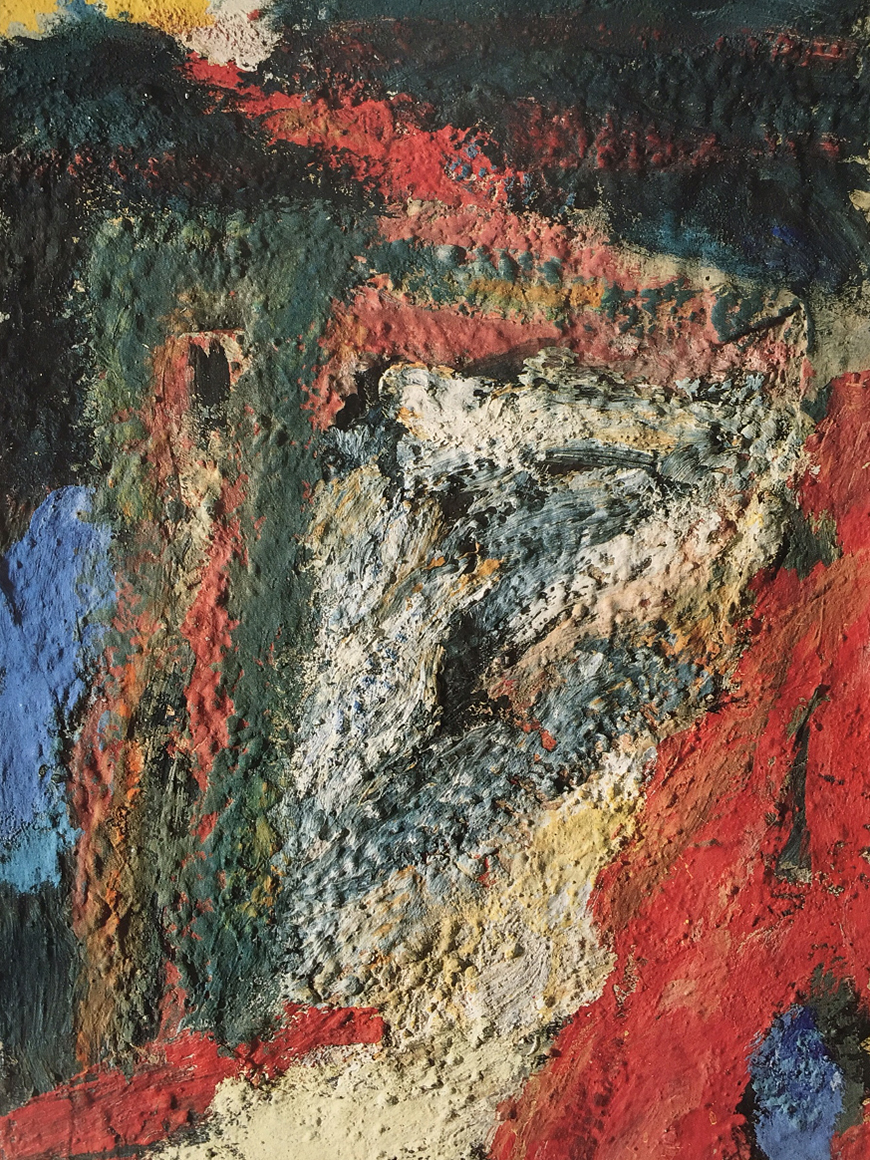
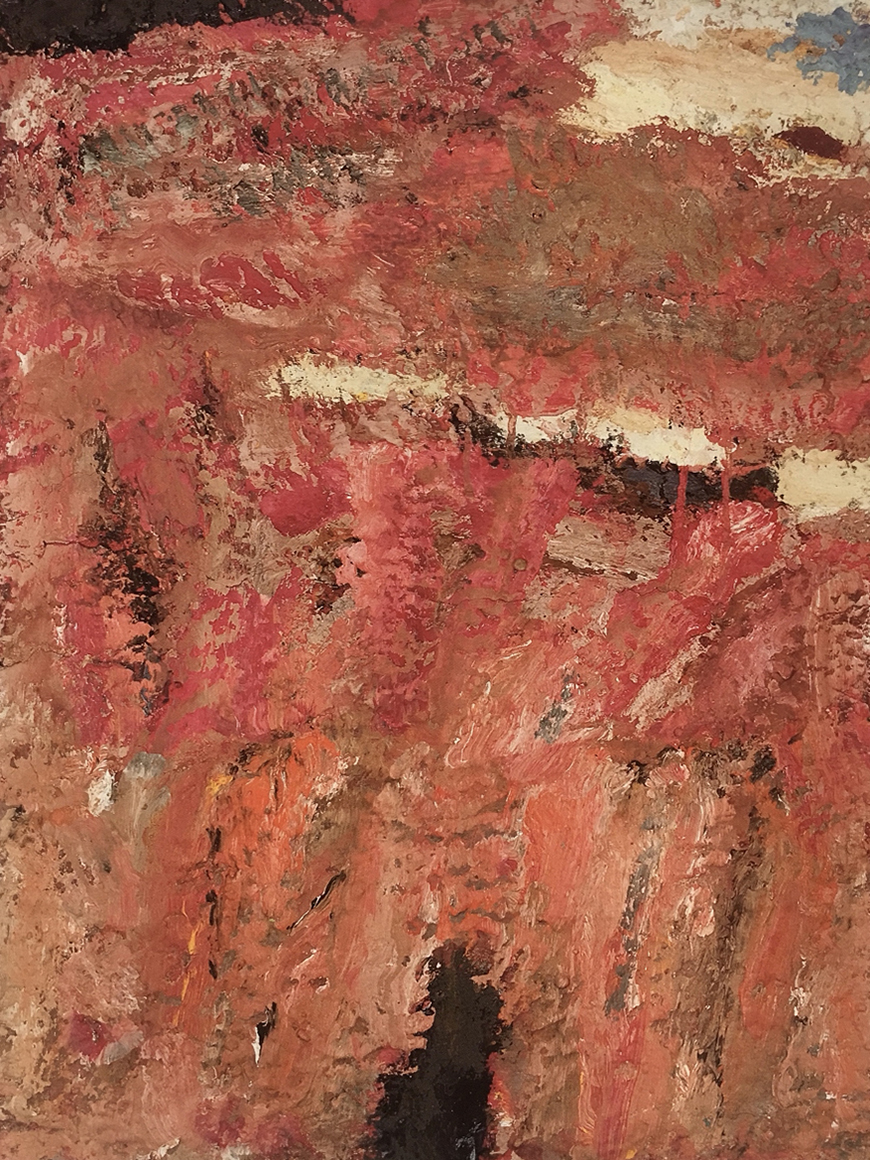
Thus, the artistic transformation of his inner concerns became a protracted search involving improvement, destruction and overpainting. Schubert applied layer upon layer of paint, often cutting it away at first, but then accepting what emerged as the final result: A thick, multi-layered material with a crusty, bumpy surface in which figures and landscapes are embedded, hinting at the elemental forces of nature and in humanity.
Portraits
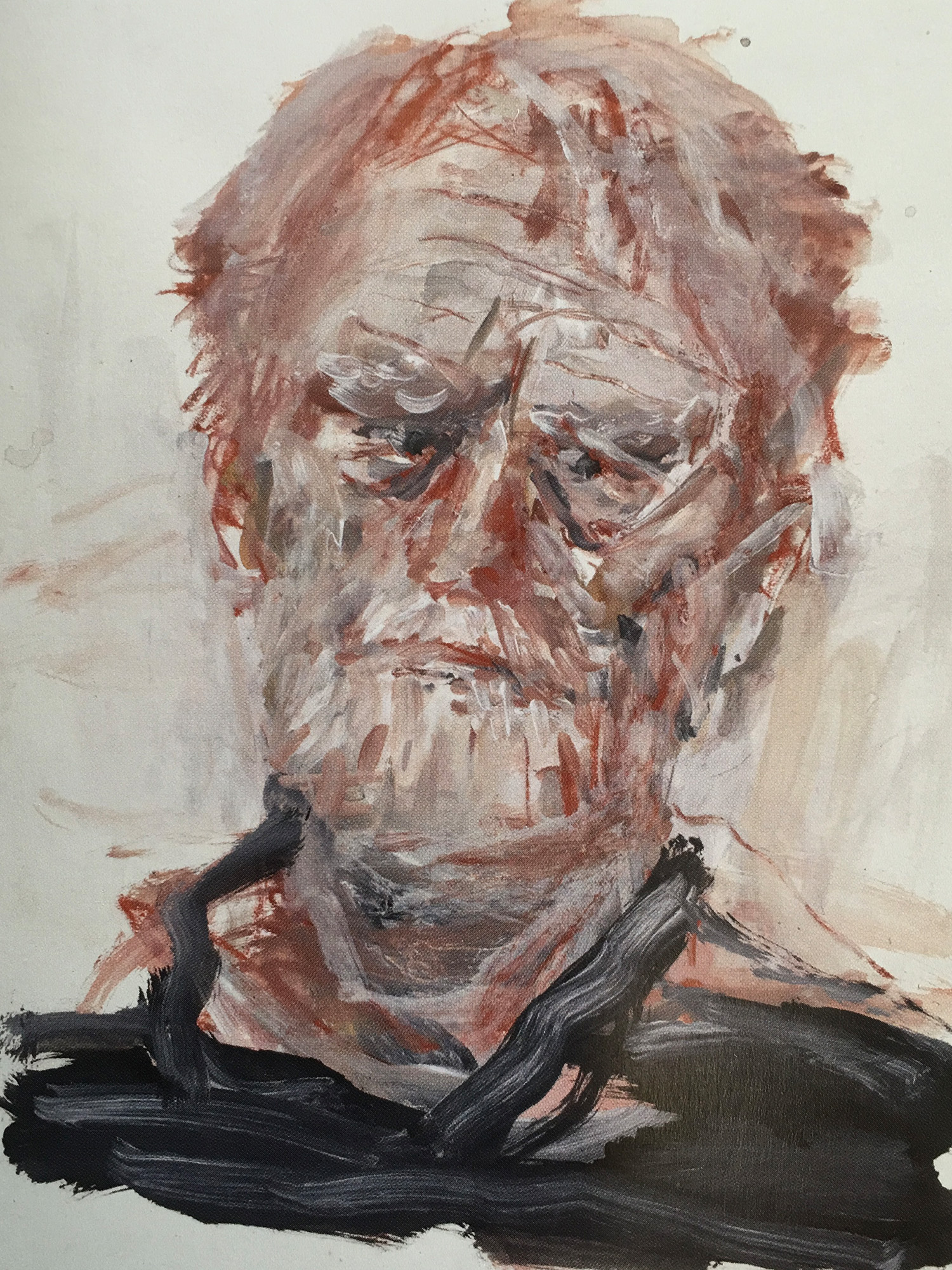
Selbstbildnis, um 2000
Eitempera, Rötel, Tusche auf Papier
48 x 36 cm
Salzburg Museum, Salzburg
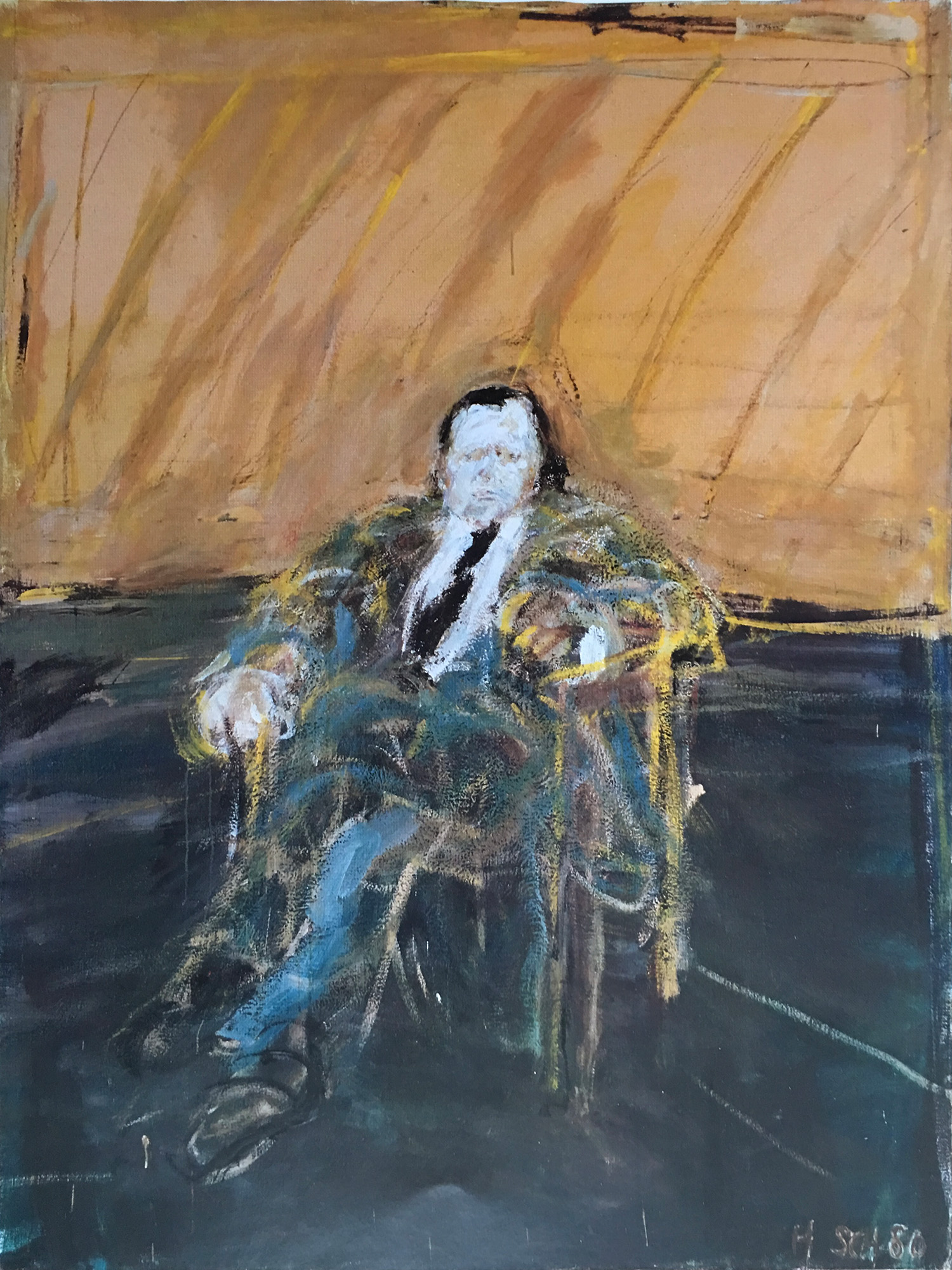
Bildnis Dr. W.K., 1980
Eitempera auf Leinwand
200 x 150 cm
Sammlung der ABK Stuttgart
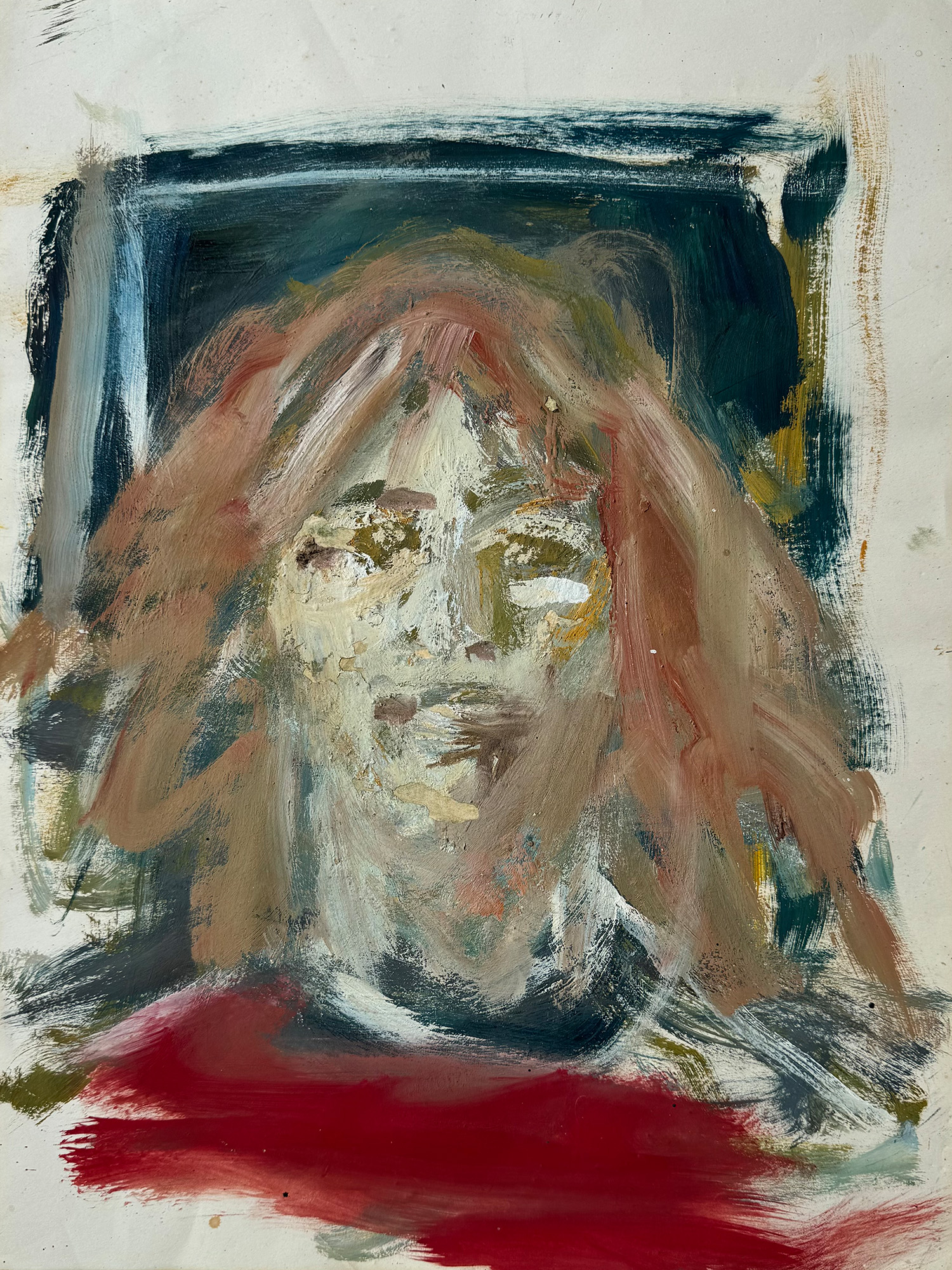
Portraitstudie um 1990
Eitempera auf Papier
48 x 36 cm
Privatbesitz
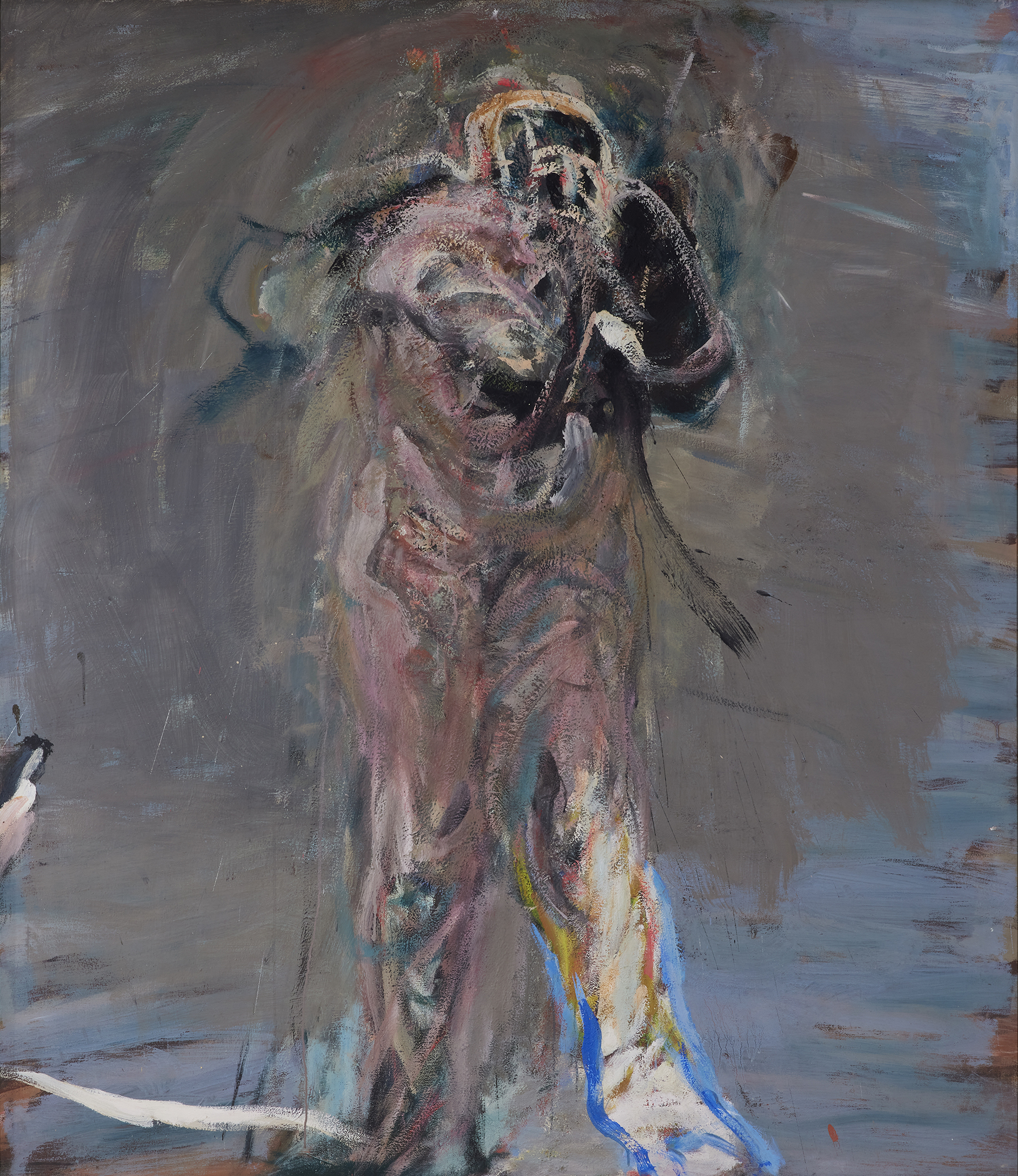
Engel I, 1980-1981
Eitempera auf Leinwand
165 x 145 cm
MdM, Salzburg
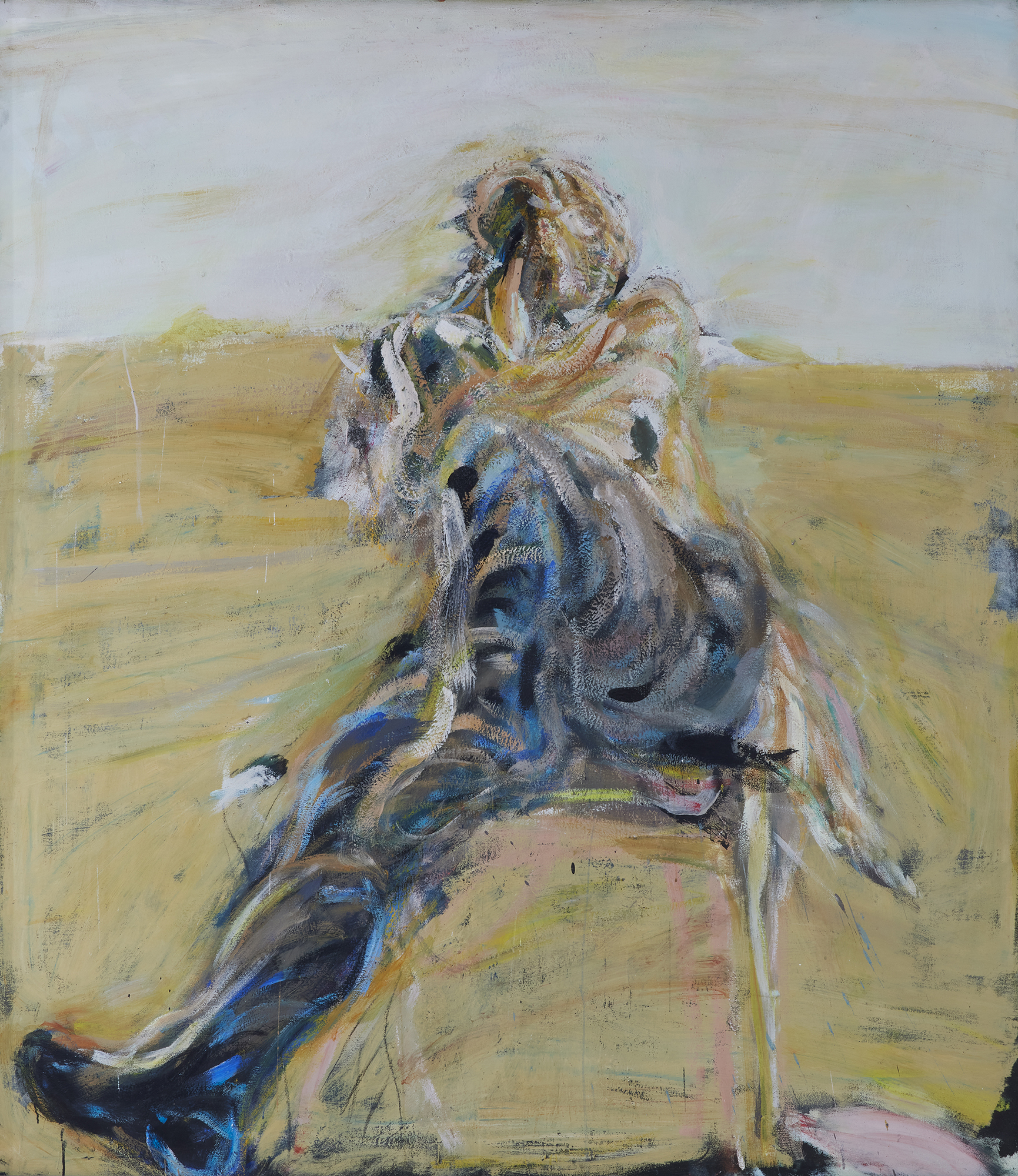
Engel II, 1980-1981
Eitempera auf Leinwand
165 x 145 cm
MdM, Salzburg
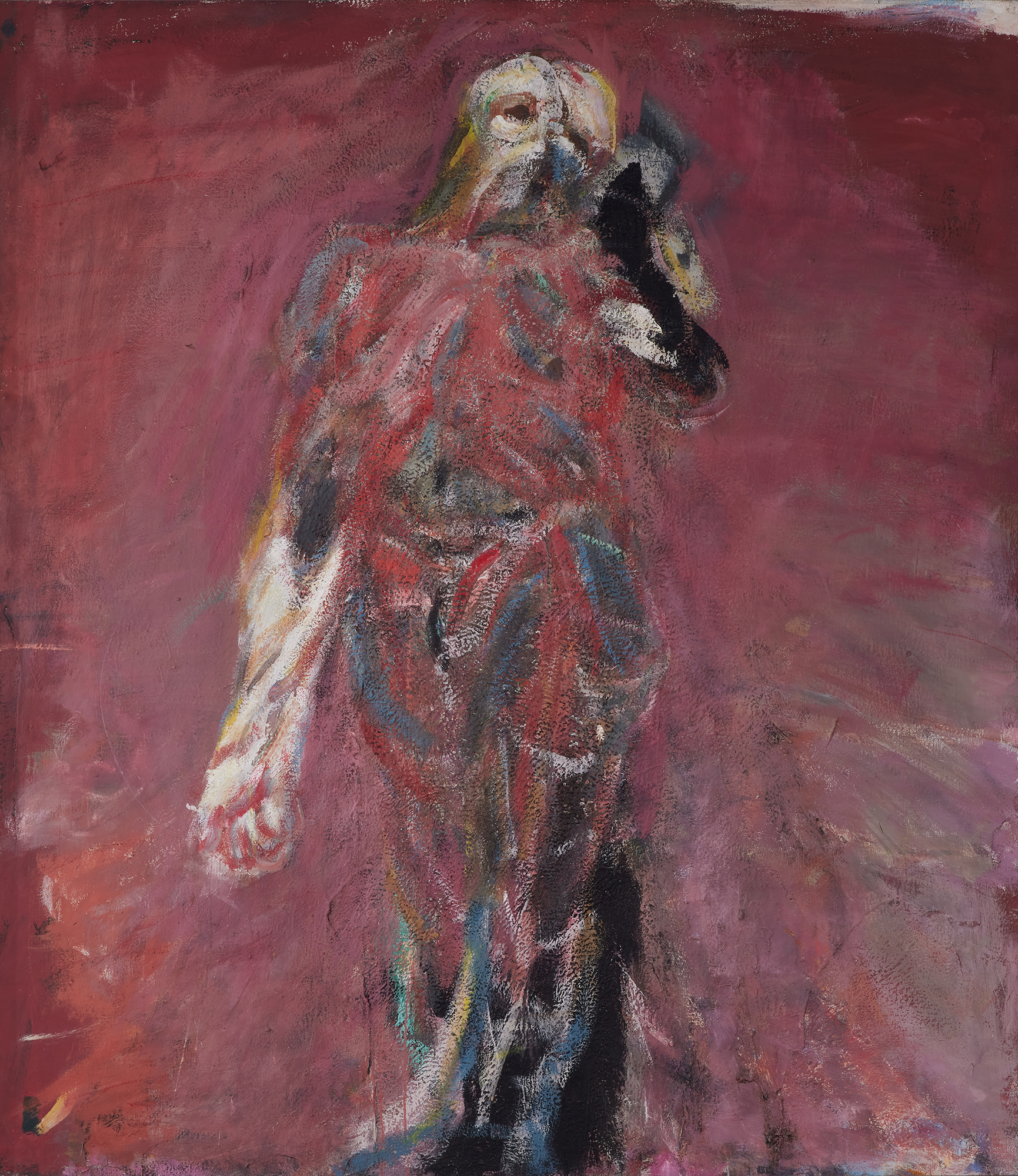
Engel III, 1980-1981
Eitempera auf Leinwand
165 x 145 cm
MdM Salzburg
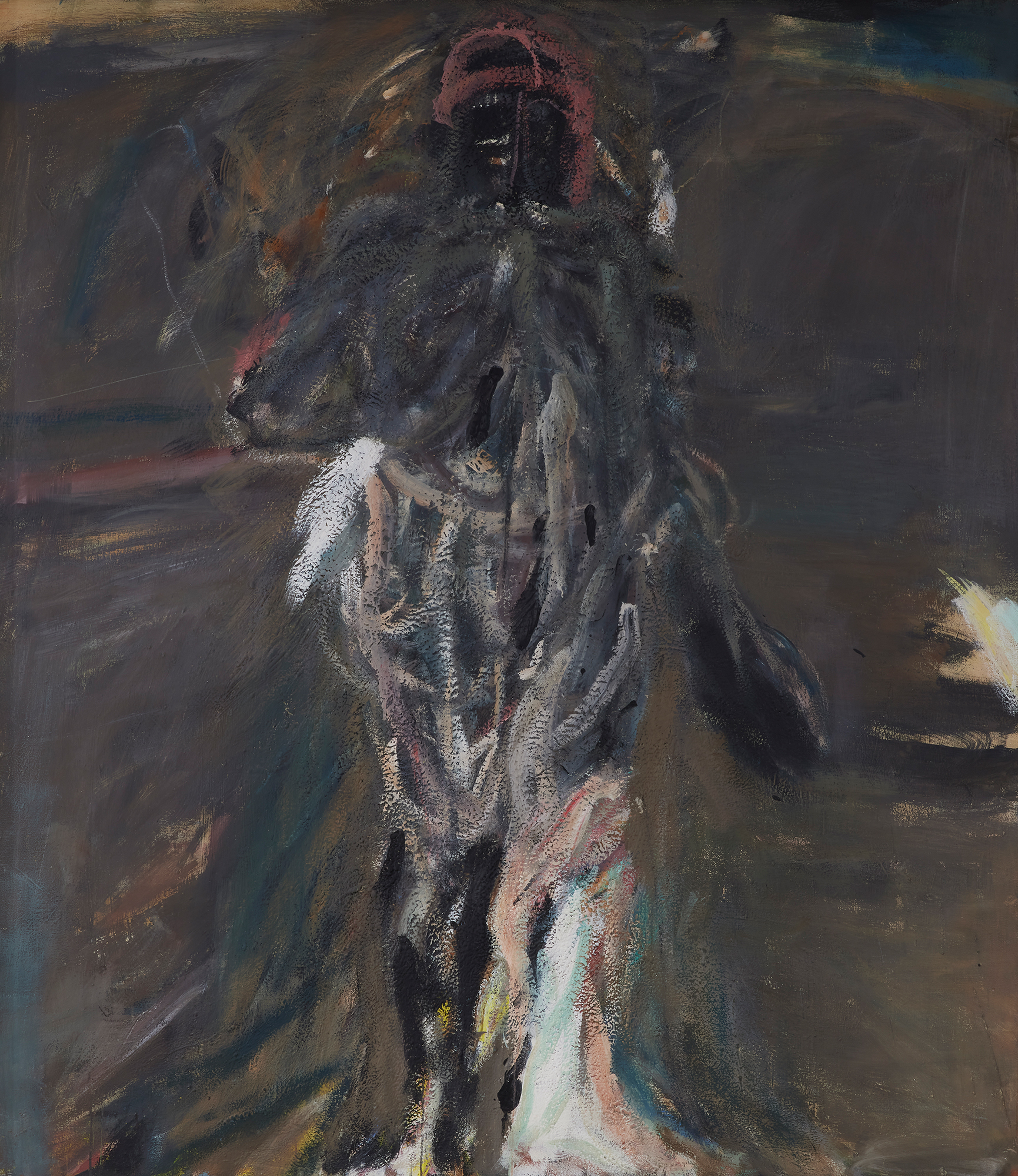
Engel IV, 1980-1981
Eitempera auf Leinwand
165 x 145 cm
MdM Salzburg
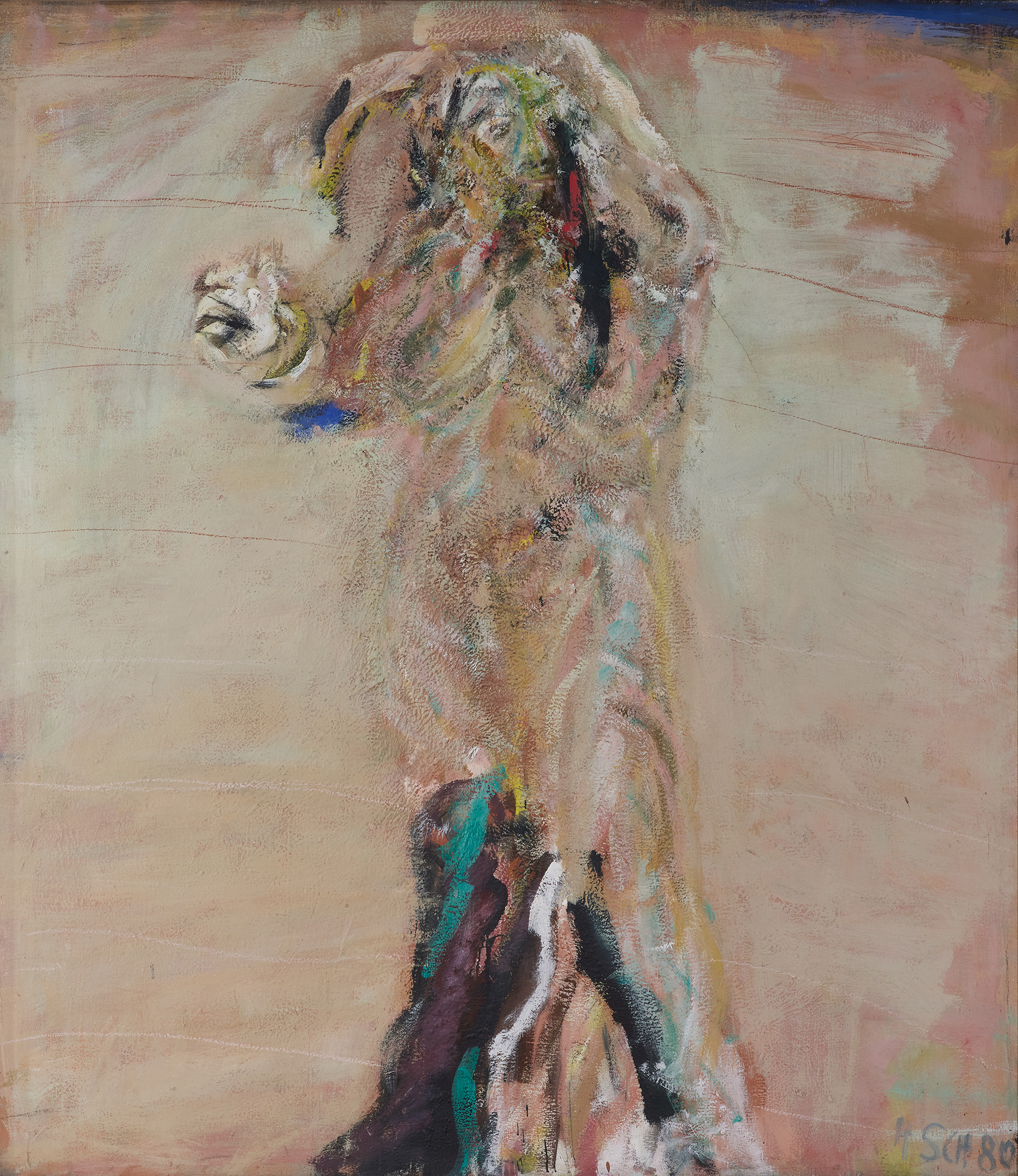
Engel V, 1980-1981
Eitempera auf Leinwand
165 x 145 cm
MdM, Salzburg
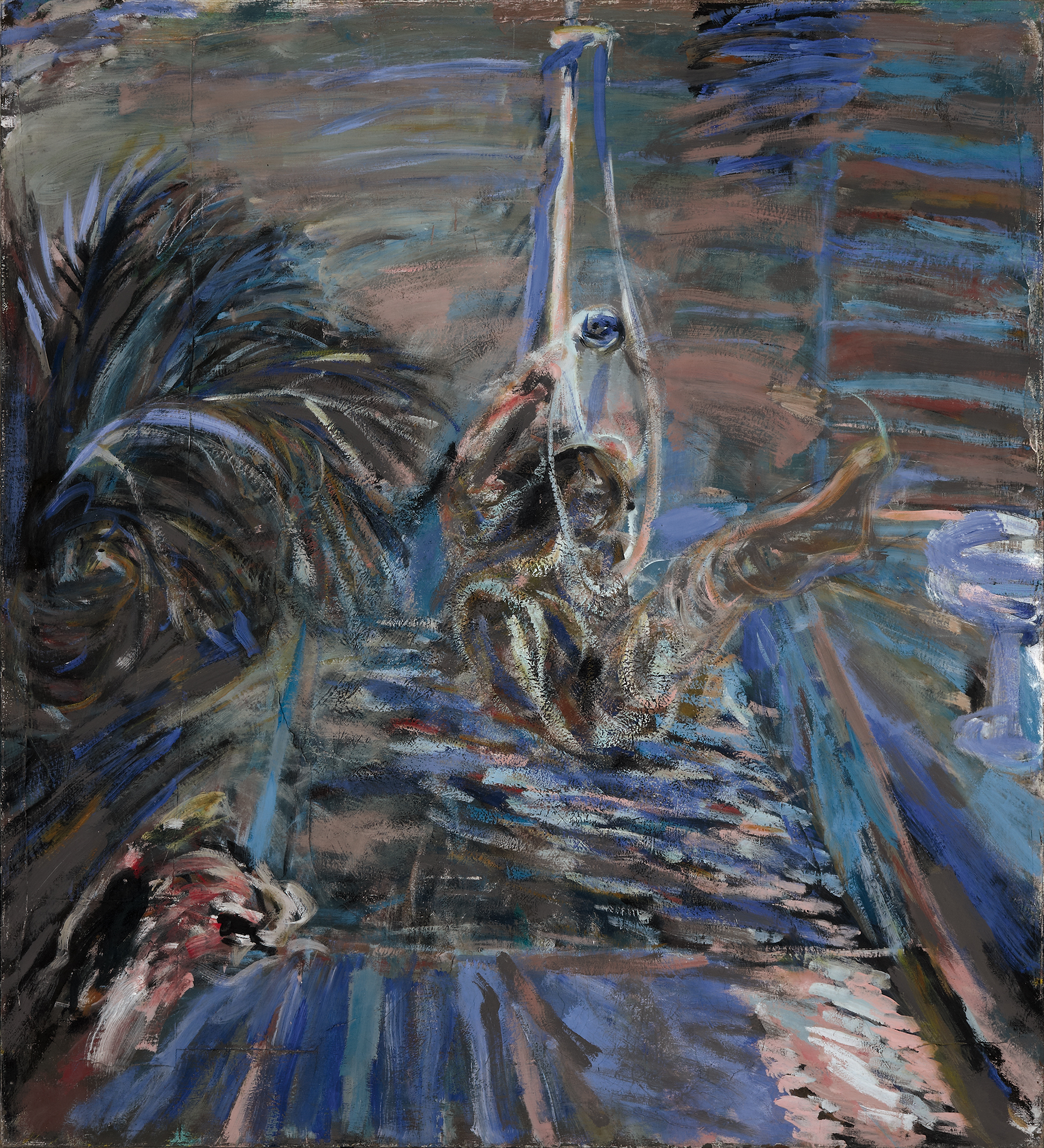
Zelma im Bad, 1981
Eitempera auf Leinwand
210 x 190 cm
Privatbesitz
Canadian landscapes
In the early 1980s, Schubert increasingly began using egg tempera to lend colour and form to the landscapes that he created in his studio using mixed media following his river trips in the Canadian wilderness.
Thus in ‘Canadian Landscapes’, he was able to achieve a consistent distillation of the subject through the use of colour, as well as through reduction and dramatisation.
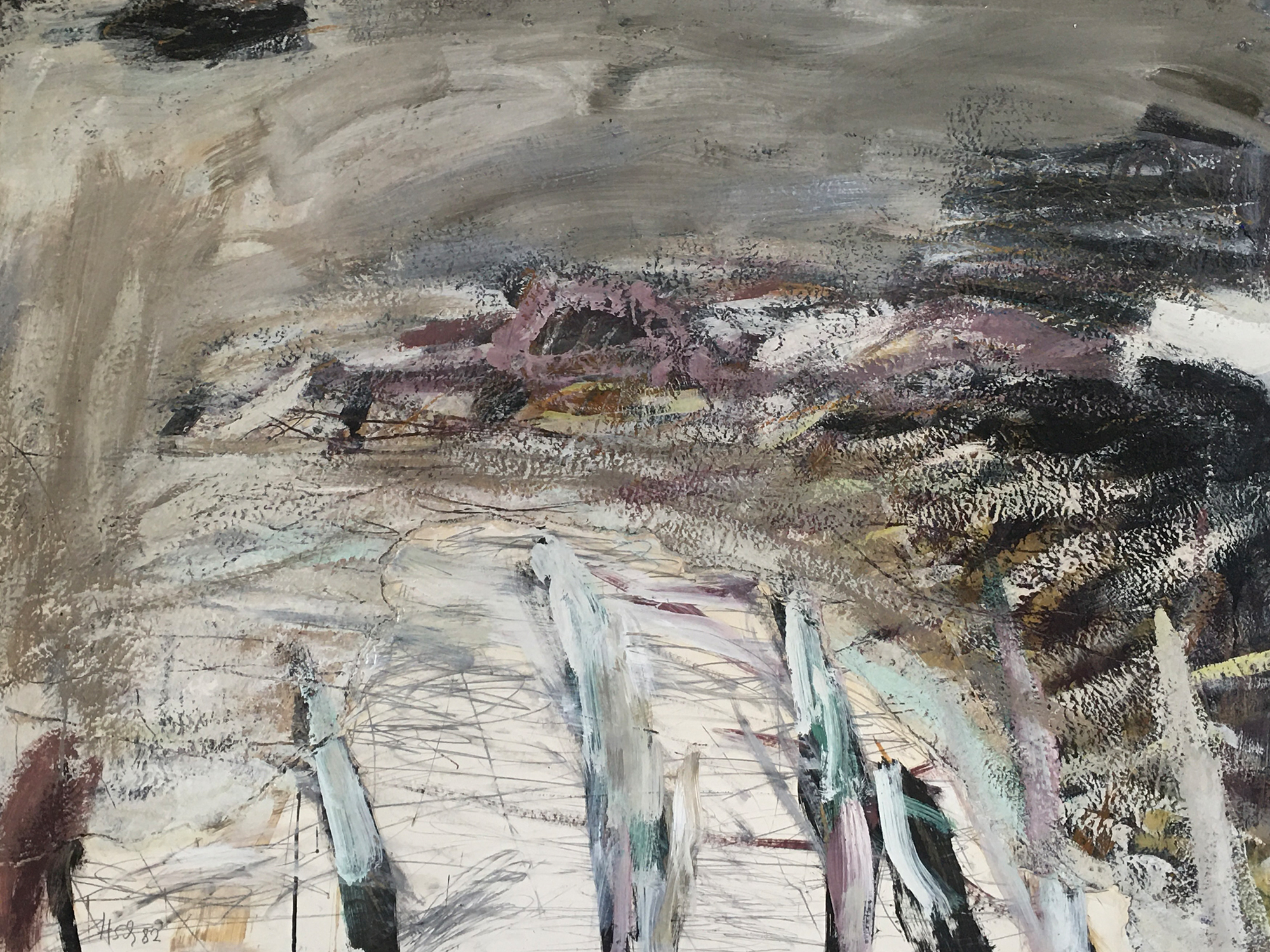
Kanad. Landschaft, 1982
Mischtechnik auf Papier
90 x 120 cm
Privatbesitz
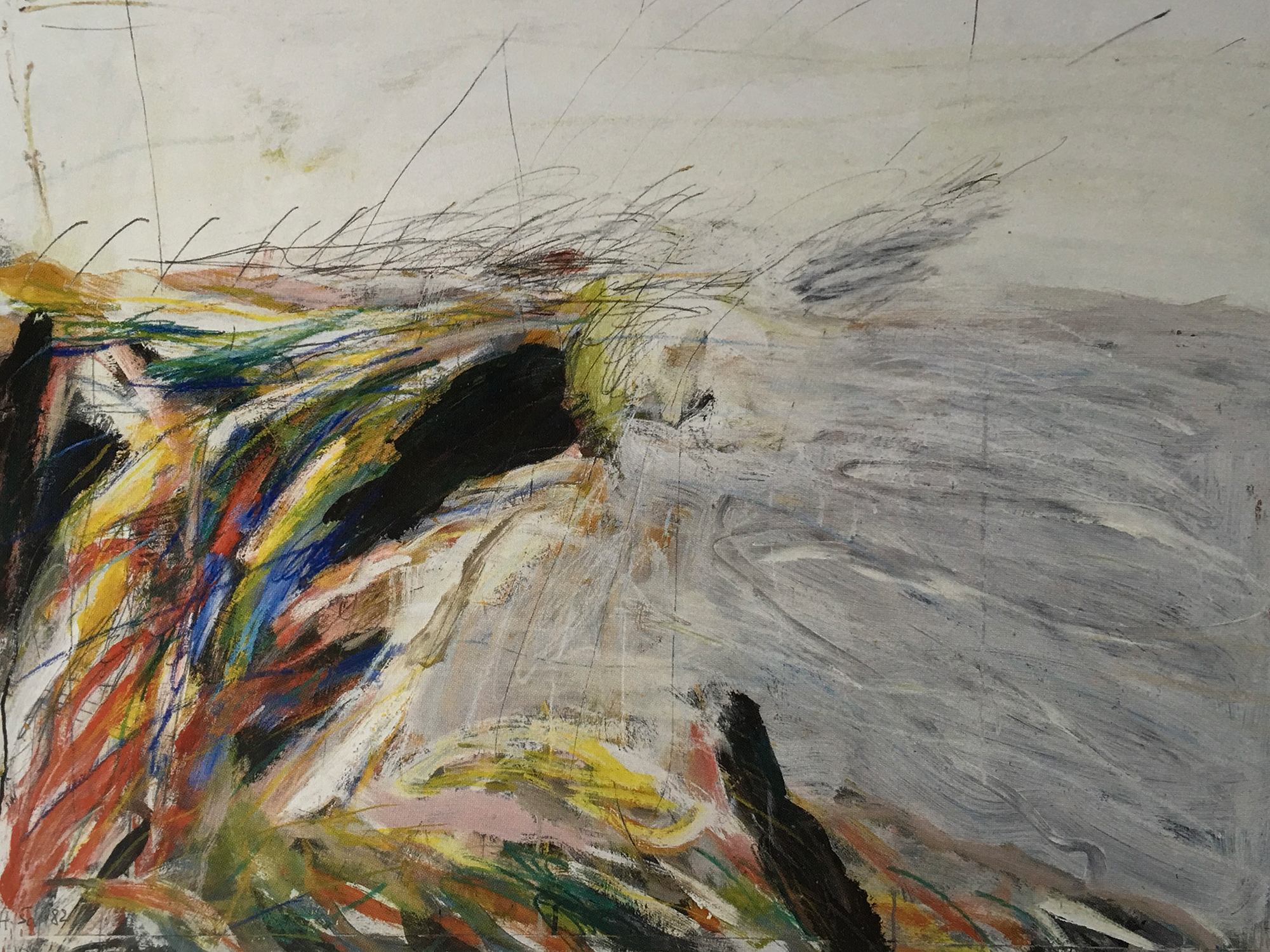
Kanad. Landschaft, 1982
Mischtechnik auf Papier
90 x 120 cm
Privatbesitz
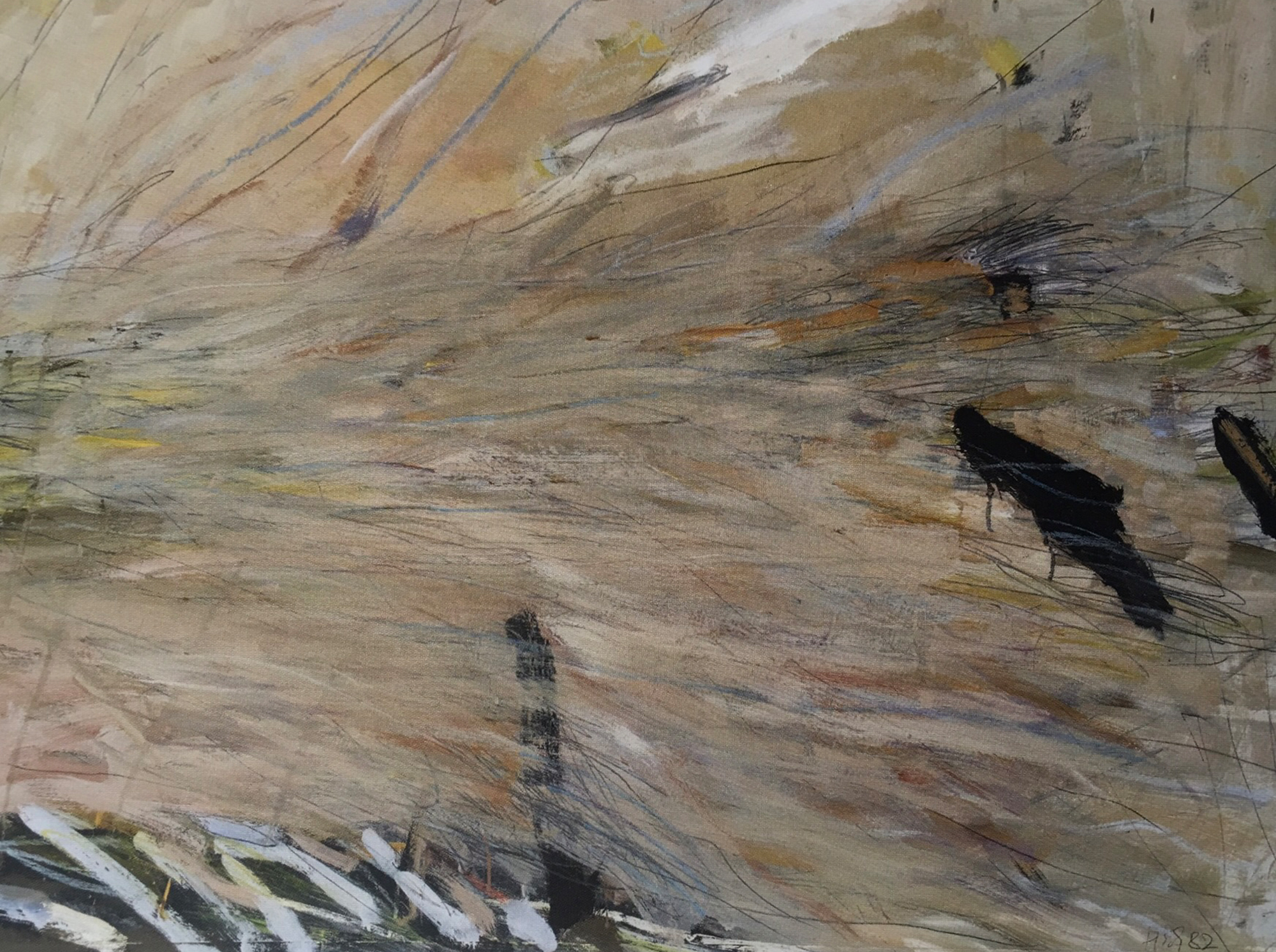
Kanad. Landschaft, 1982
Mischtechnik auf Papier
90 x 120 cm
Privatbesitz
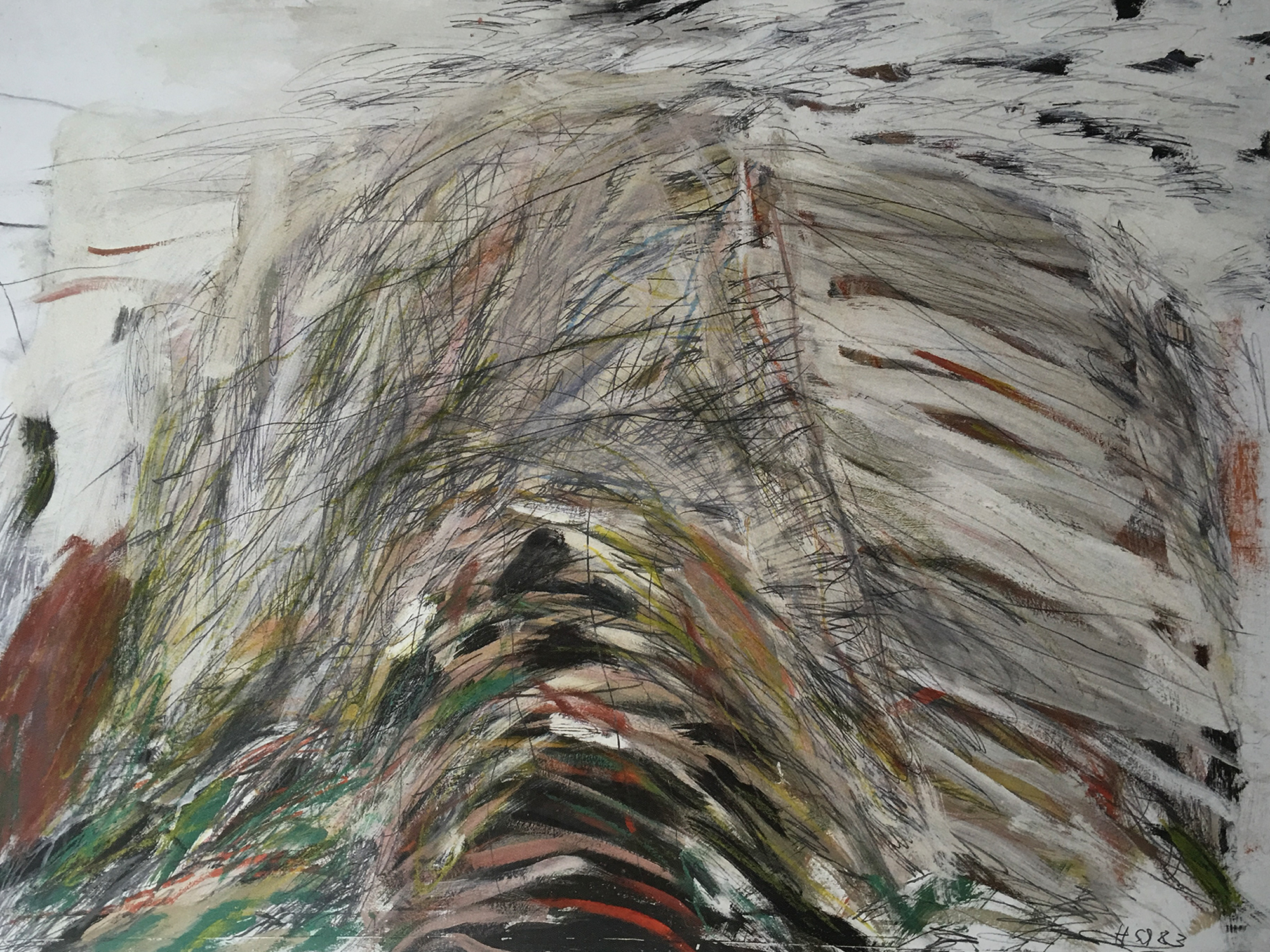
Kanad. Landschaft, 1983
Mischtechnik auf Papier
90 x 120 cm
Privatbesitz
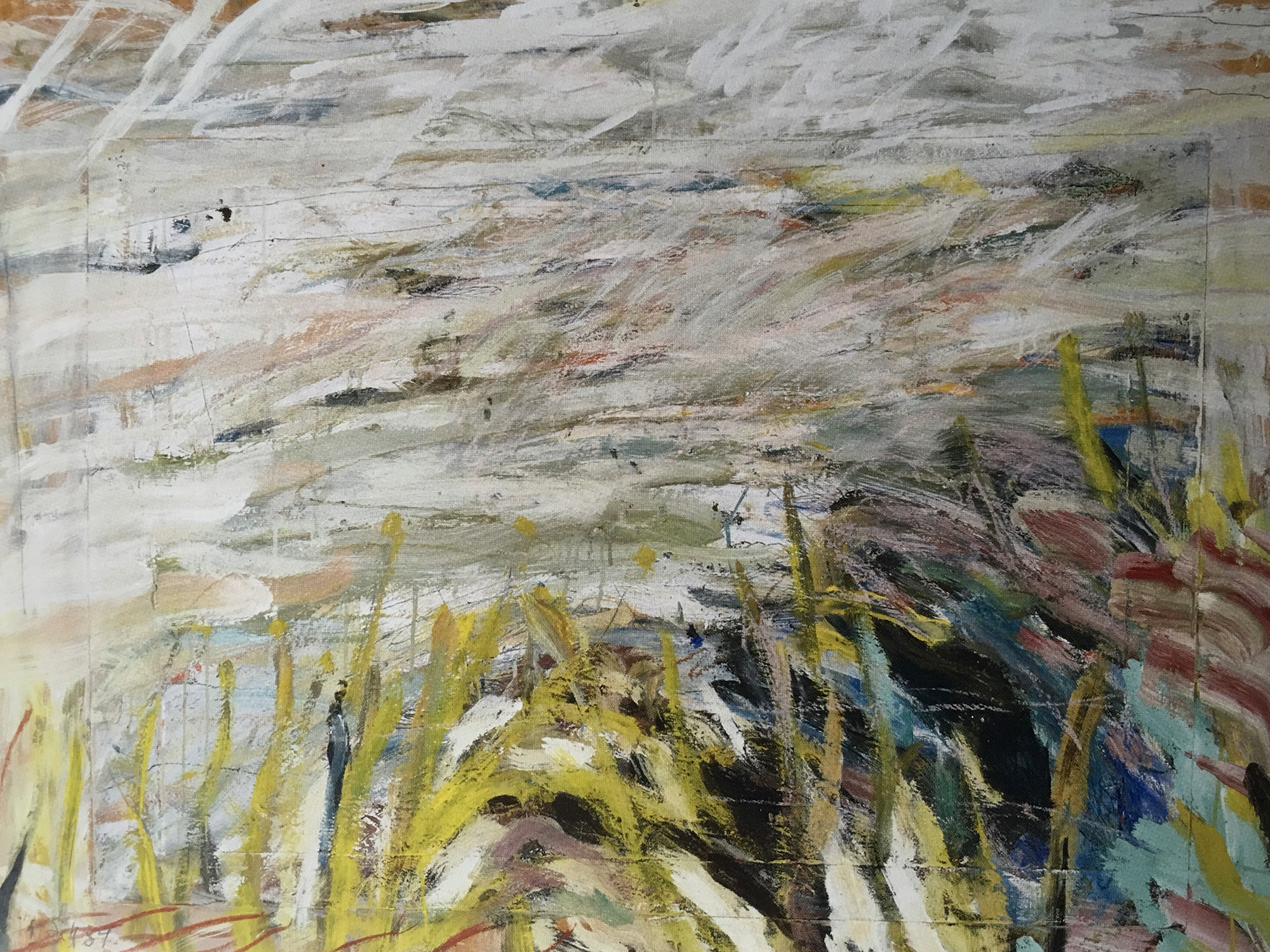
Kanad. Landschaft, 1984
Eitempera auf Papier auf Karton
90 x 120 cm
Sammlung J. R.
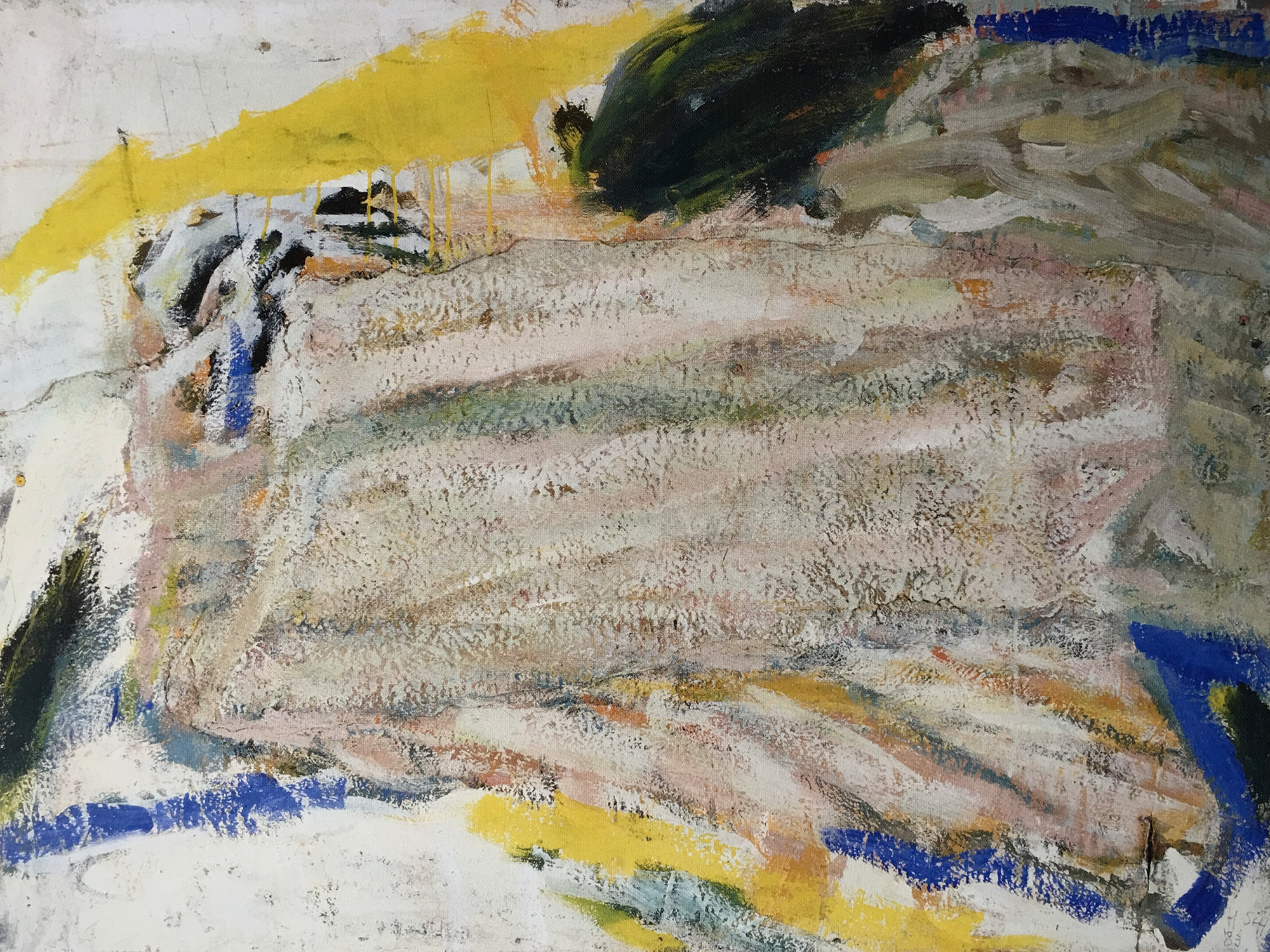
Kanad. Landschaft, 1983
Eitempera auf Papier auf Karton
90 x 120 cm
Privatbesitz
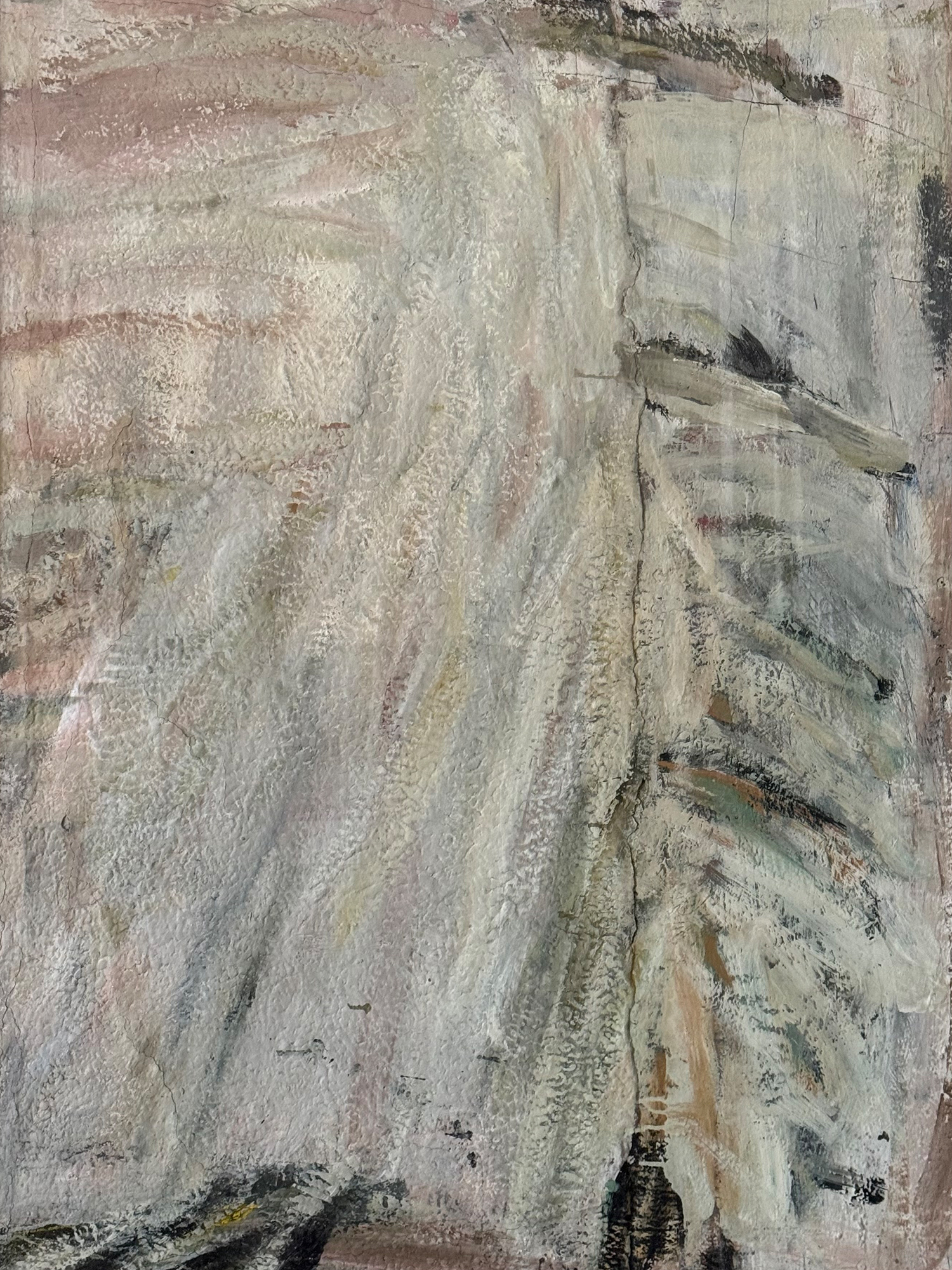
Kanad. Landschaft
Eit. auf Papier auf Karton
120 x 90 cm
Sammlung M.S.
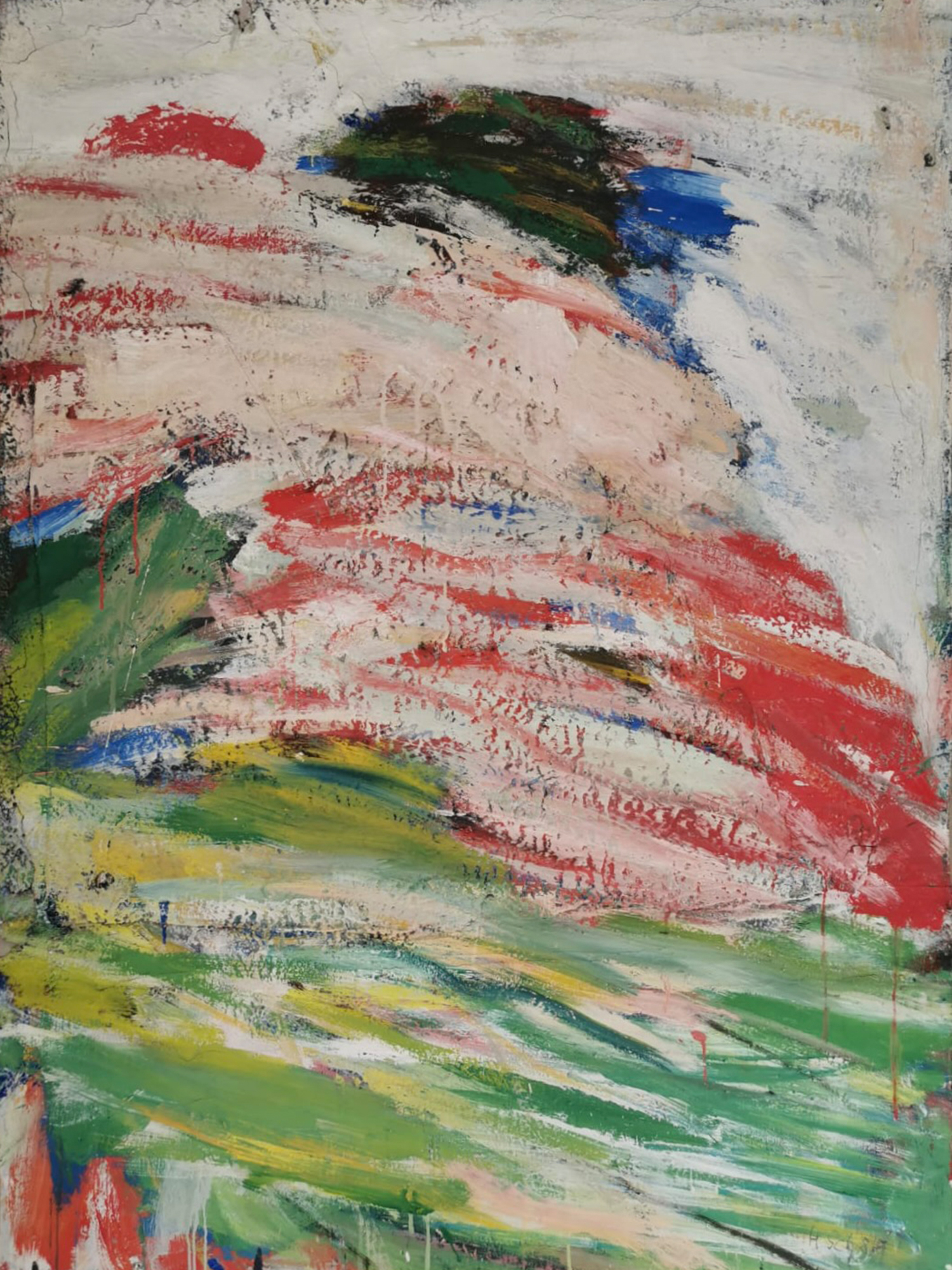
Kanad. Landschaft, 1984
Eitempera auf Papier
120 x 90 cm
Sammlung M.S.
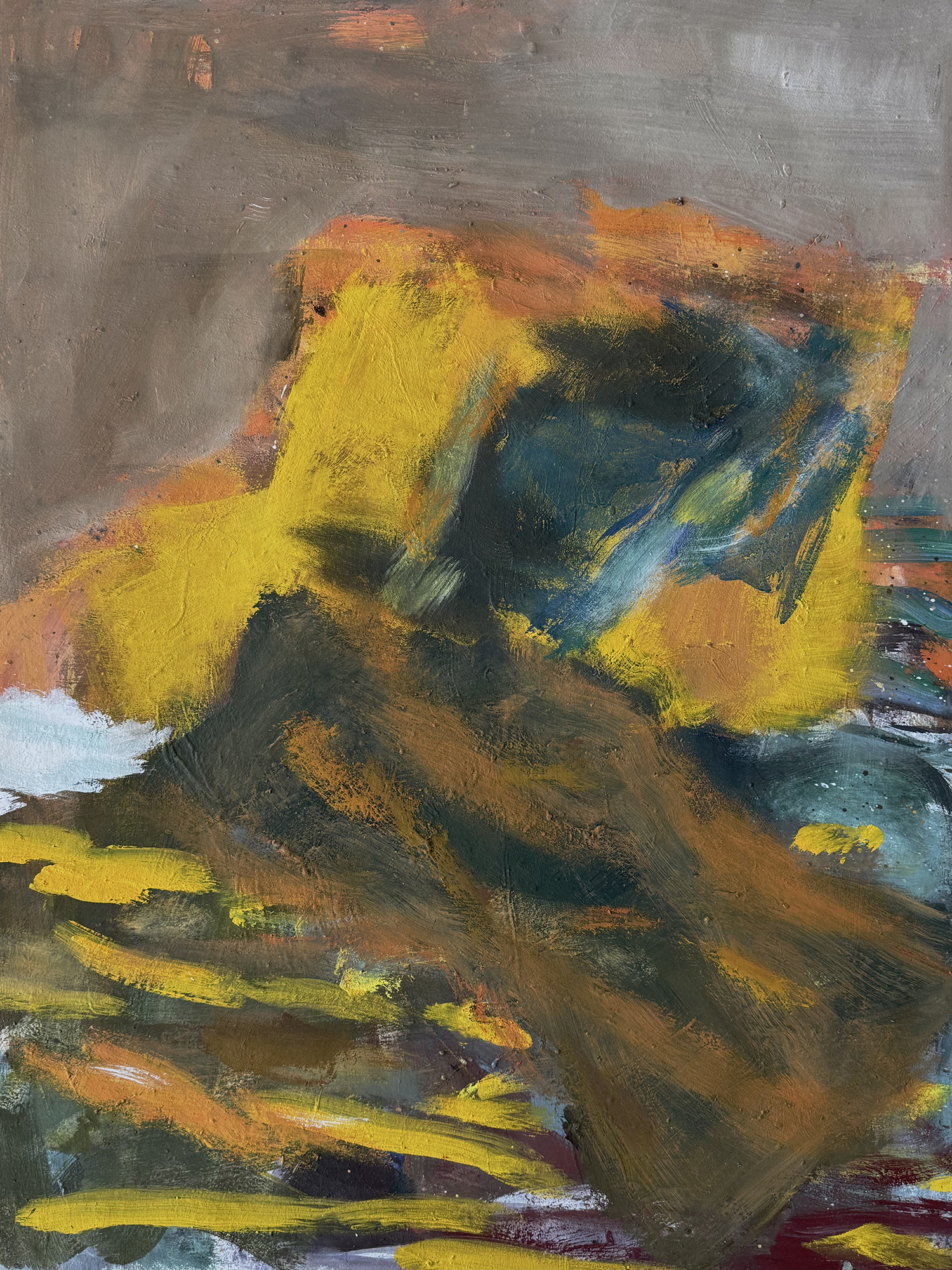
Kanad. Landschaft, 1998
Eitempera auf Papier
80 x 60 cm
Privatbesitz
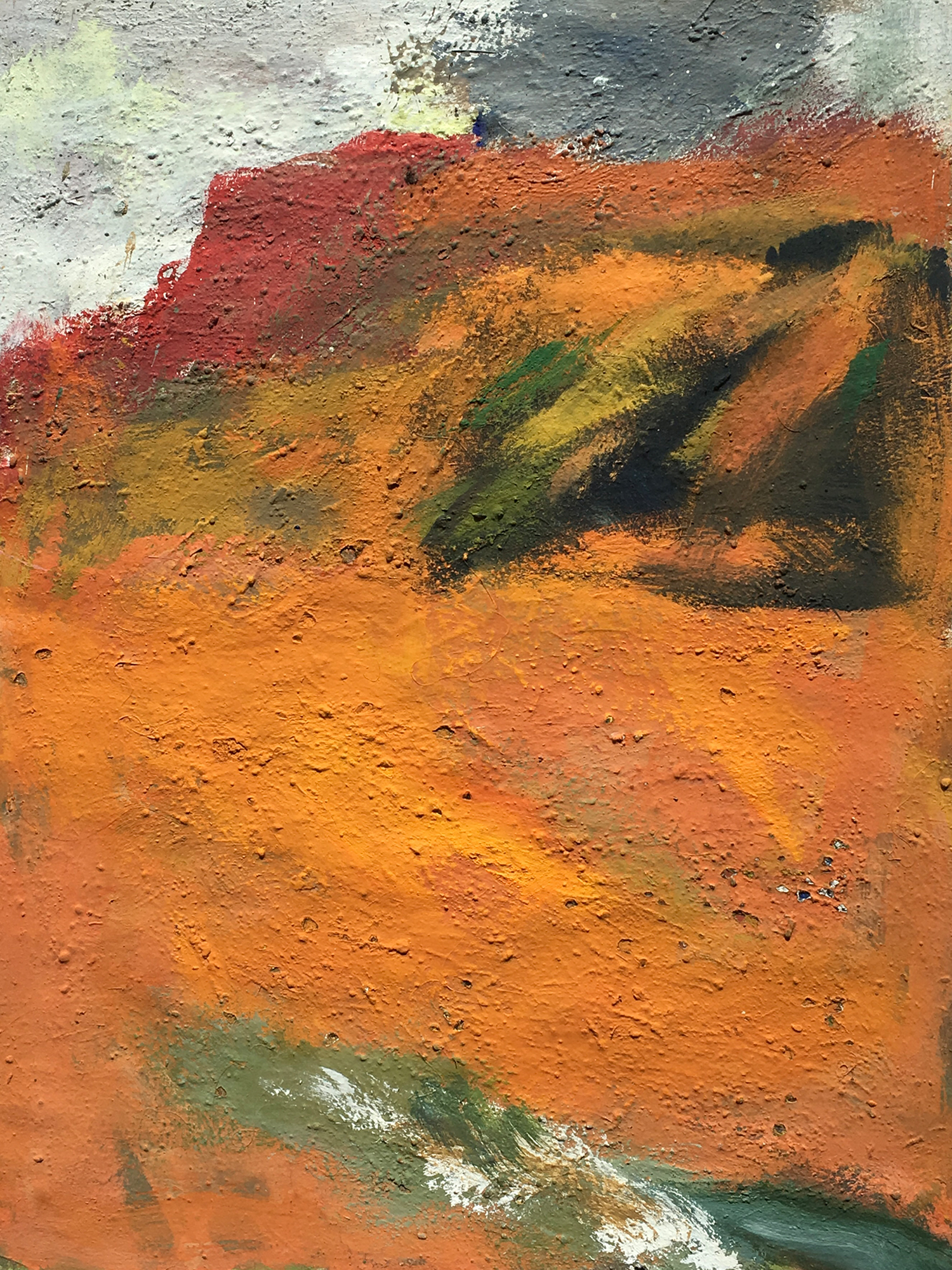
Kanad. Landschaft, 1998
Eitempera auf Papier
48 x 36 cm
Sammlung N.S.
Small-format landscapes
“Image structures arise between figuration and abstraction, in a constant state of reorganisation and dissolution.”
Margarita Jonietz, “The Real Adventure”, 1991
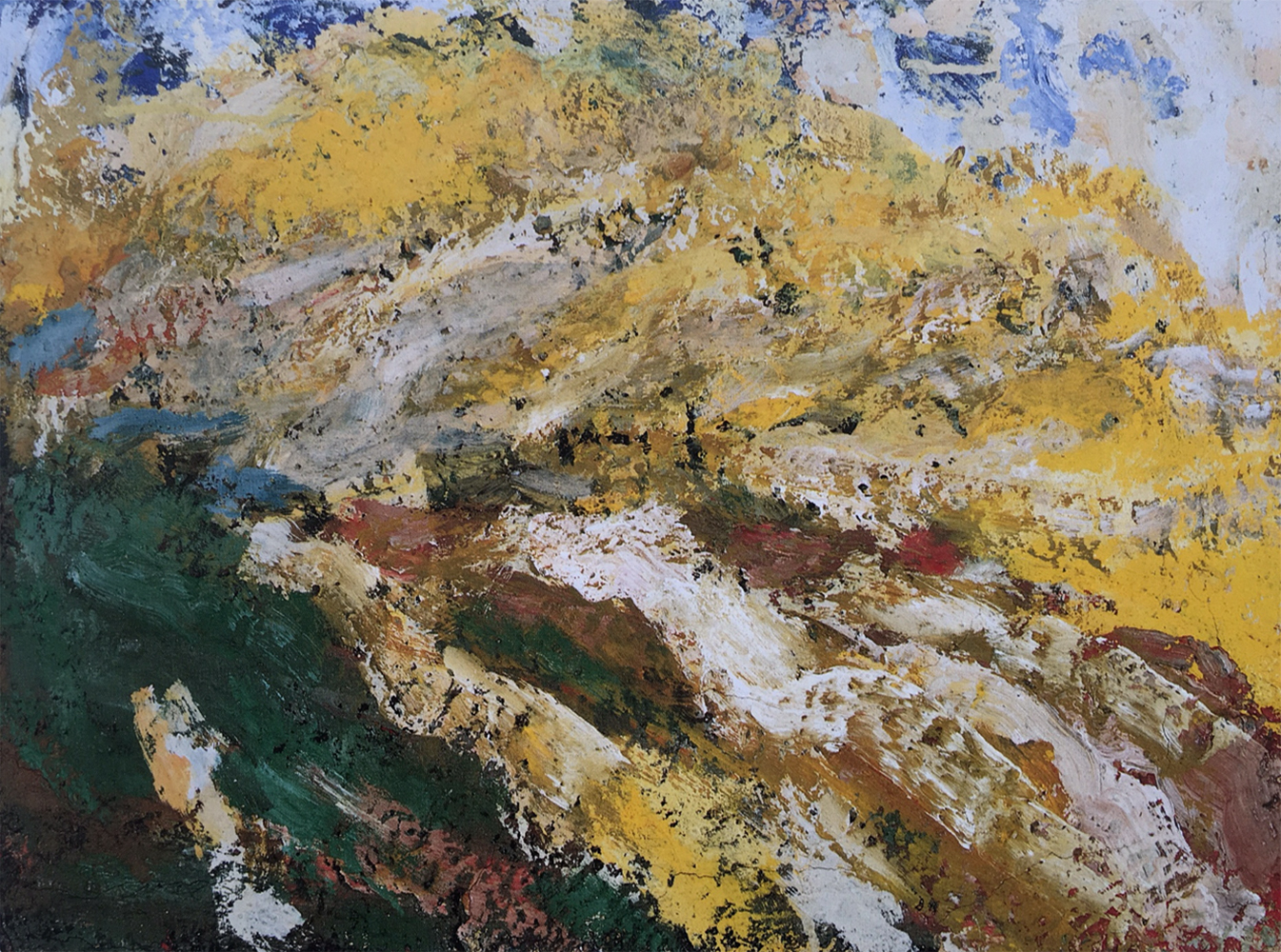
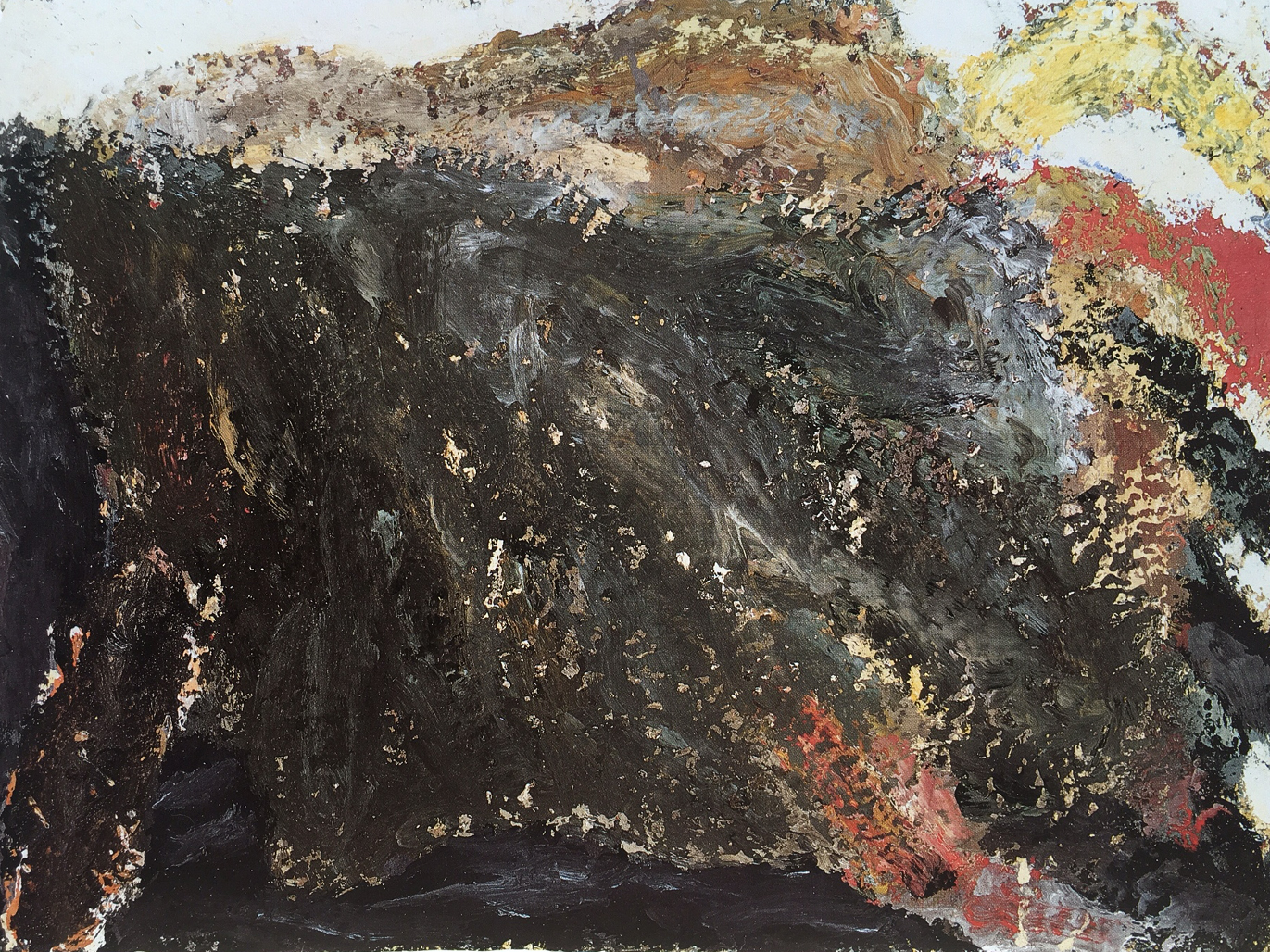
The small-format landscapes show a development towards abstract painting. The landscape paintings reveal a laborious and concentrated working process in which Schubert detaches himself from the subject and absorbs what moved and preoccupied him most during his river journeys. His river diaries, in which he noted events and moods in untamed nature as well as his own inner state, were important to him in this struggle between the outer environment and his inner world.
Frequent overpainting with egg tempera to provide structure gives the surface of these paintings the appearance of broken earth, rock, moving water or sparse vegetation.
The monumental triptych ‘Fonterutoli’ represents a culmination of this period of work.
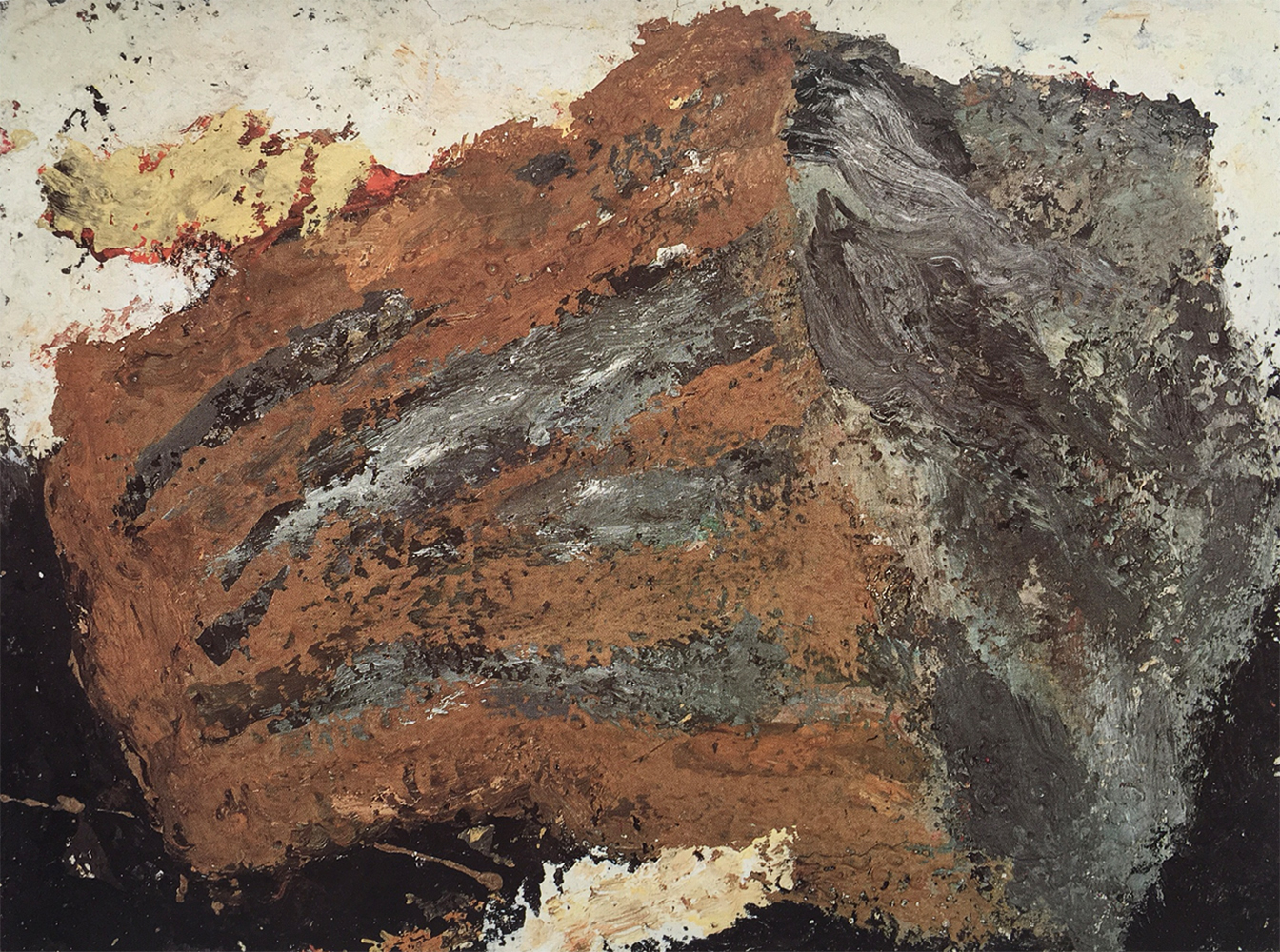
Natla 2, 1988/89
Eitempera auf Papier
36 x 48 cm
Privatbesitz
Natla 1, 1988/89
Eitempera auf Papier
36 x 48 cm
Privatbesitz
Natla 4, 1988/89
Eitempera auf Papier
36 x 48 cm
Privatbesitz
Natla Triptychon I,1, 1888/89
Eitempera auf Papier
48 x 36 cm
MdM Salzburg
Natla Triptychon I,2, 1888/89
Eitempera auf Papier
48 x 36 cm
MdM Salzburg
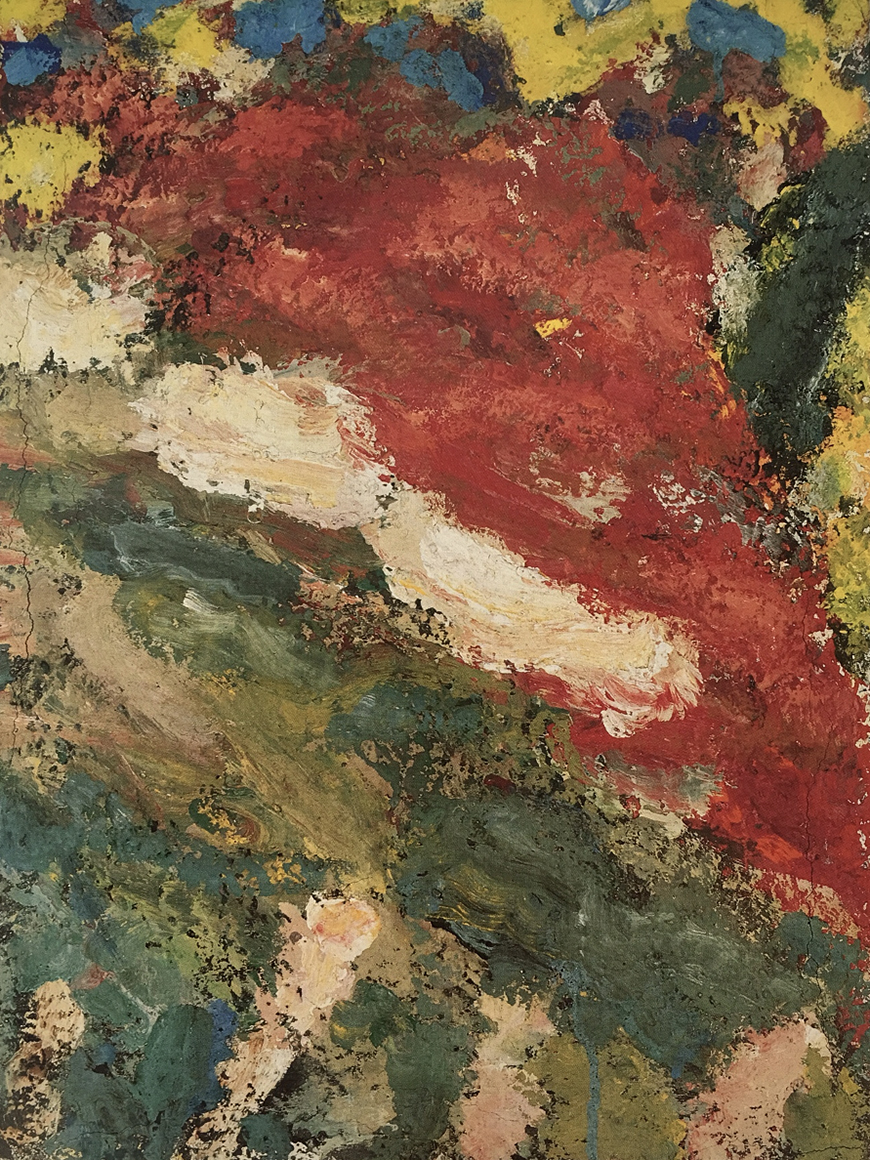
Natla Triptychon I,3, 1888/89
Eitempera auf Papier
48 x 36 cm
MdM Salzburg
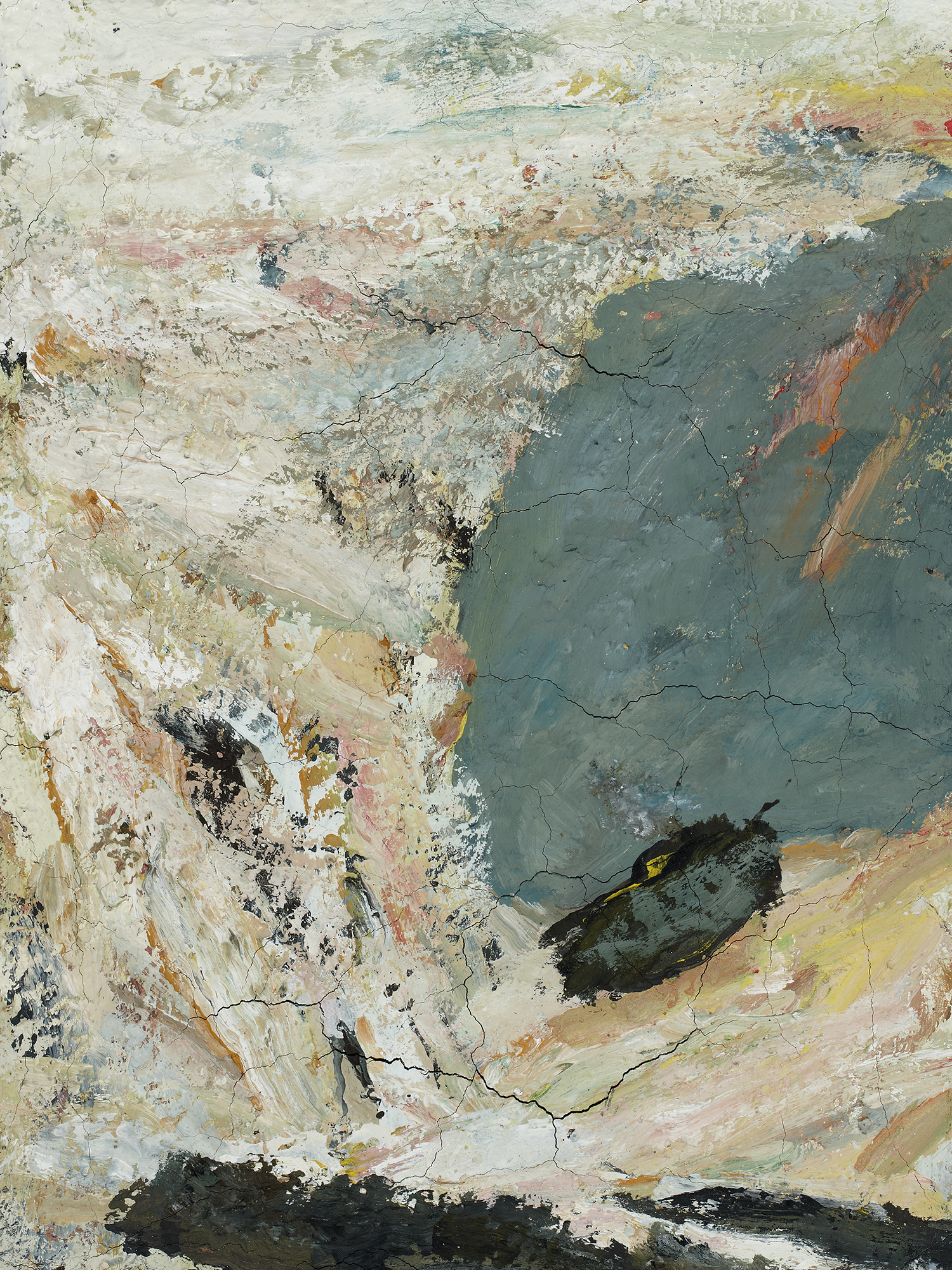
Natla 5, 1988/89
Eitempera auf Papier
48 x 36 cm
Sammlung W. H.
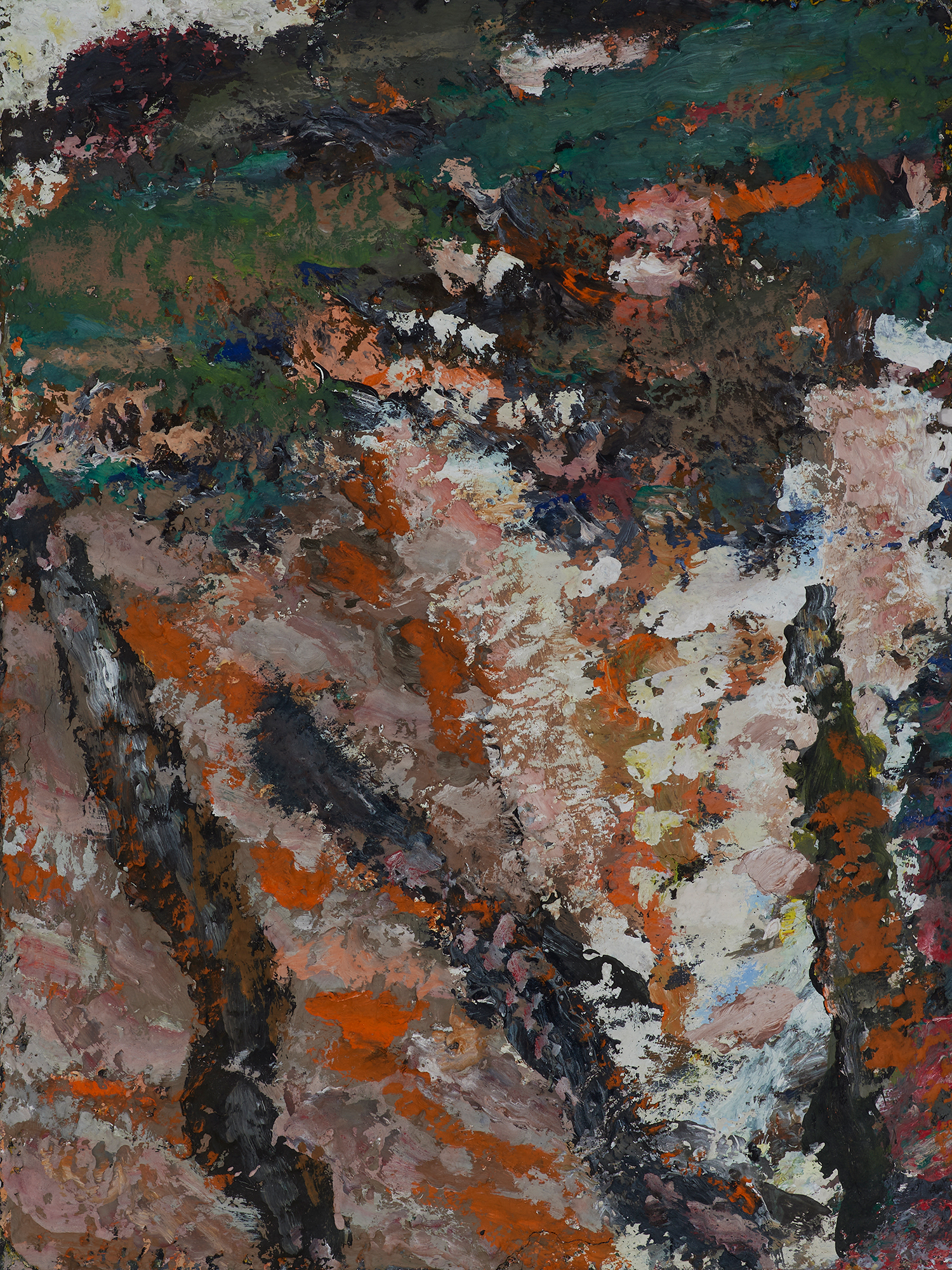
Natla 6, 1988/89
Eitempera auf Papier
48 x 36 cm
Privatbesitz
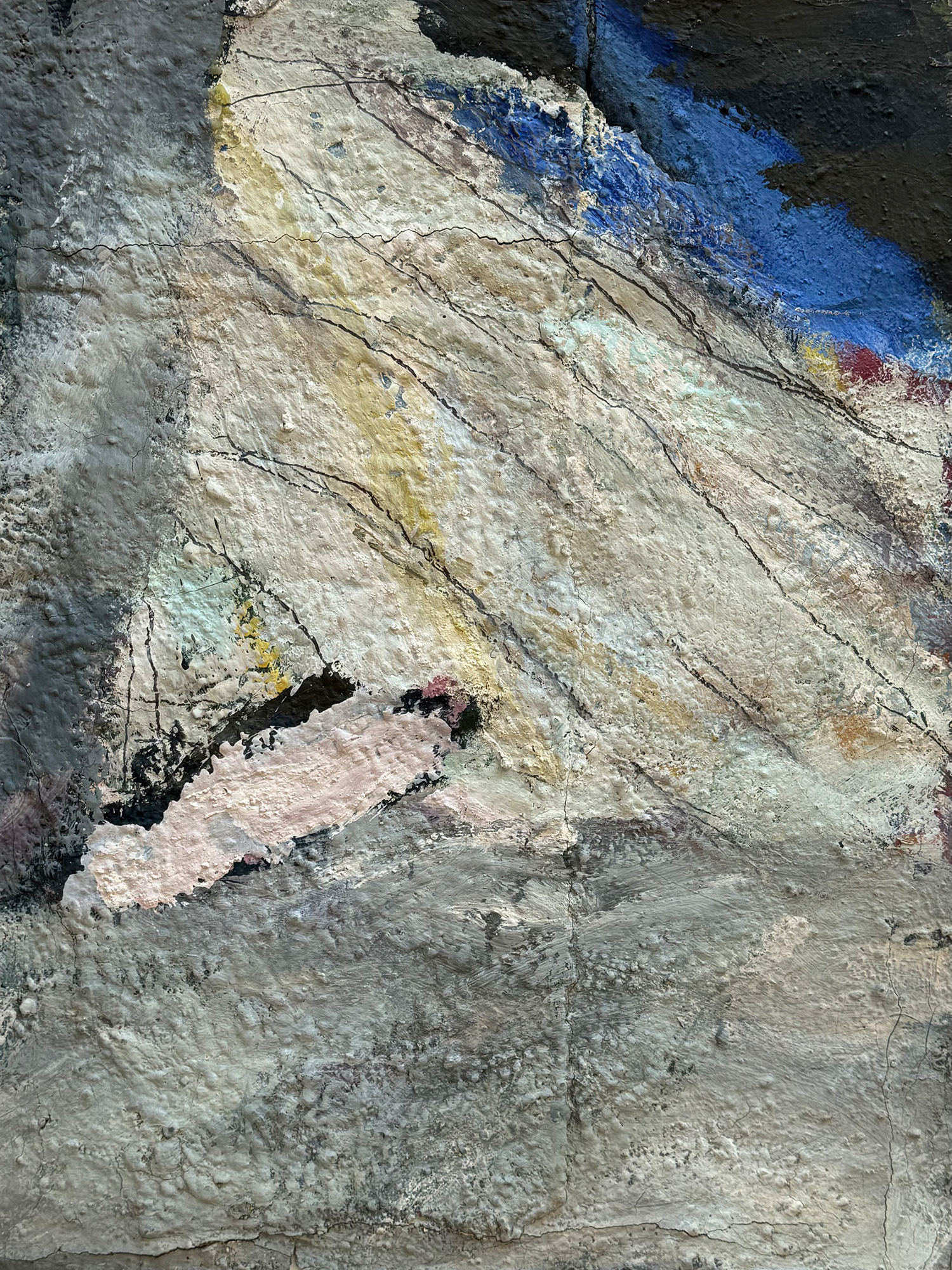
Tatshenshini, 1984/85
Eitempera auf Papier
48 x 36 cm
Privatbesitz
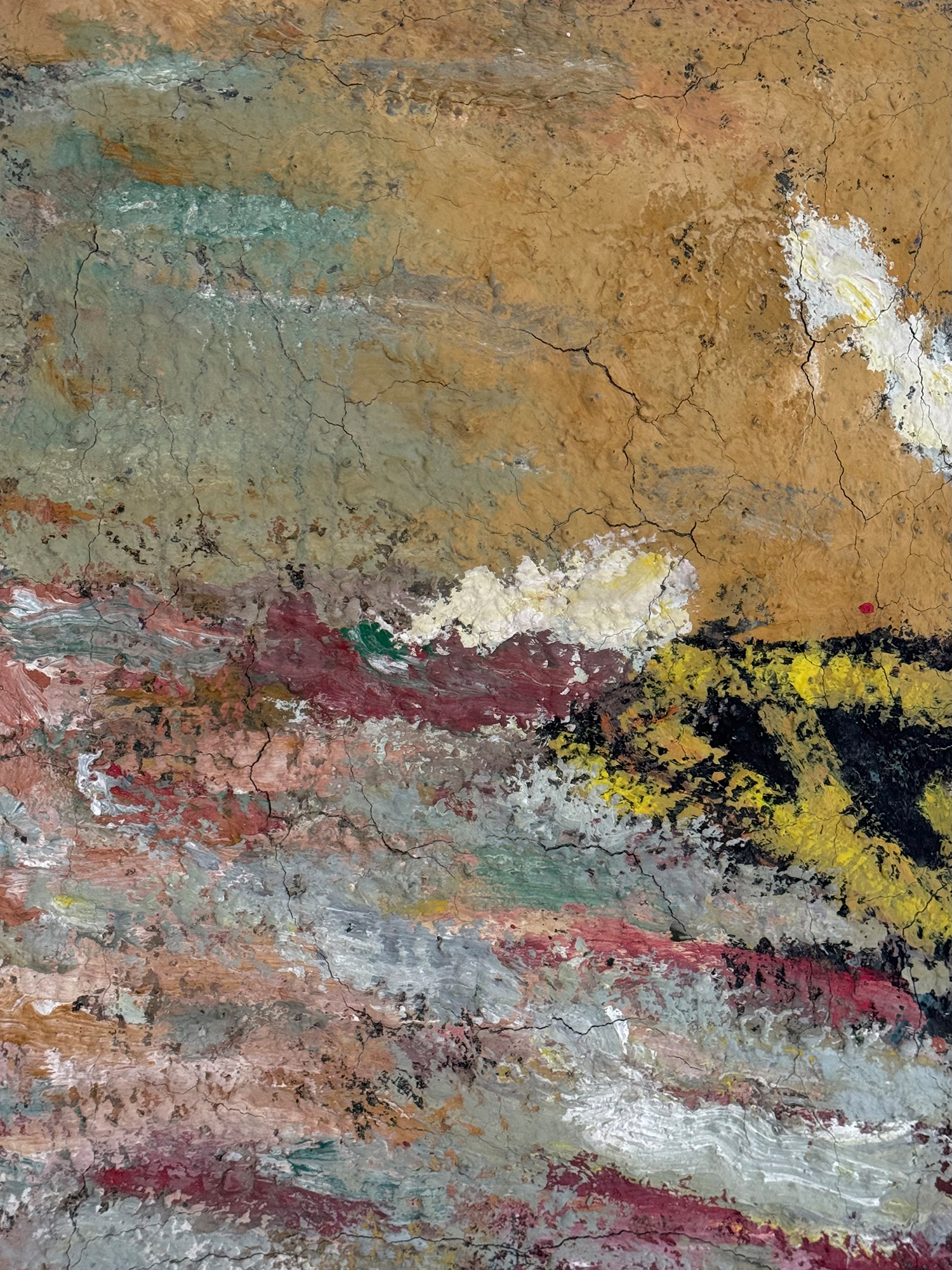
Natla Diptychon I,1, 1988/89
Eitempera auf Papier
48 x 36 cm
Privatbesitz
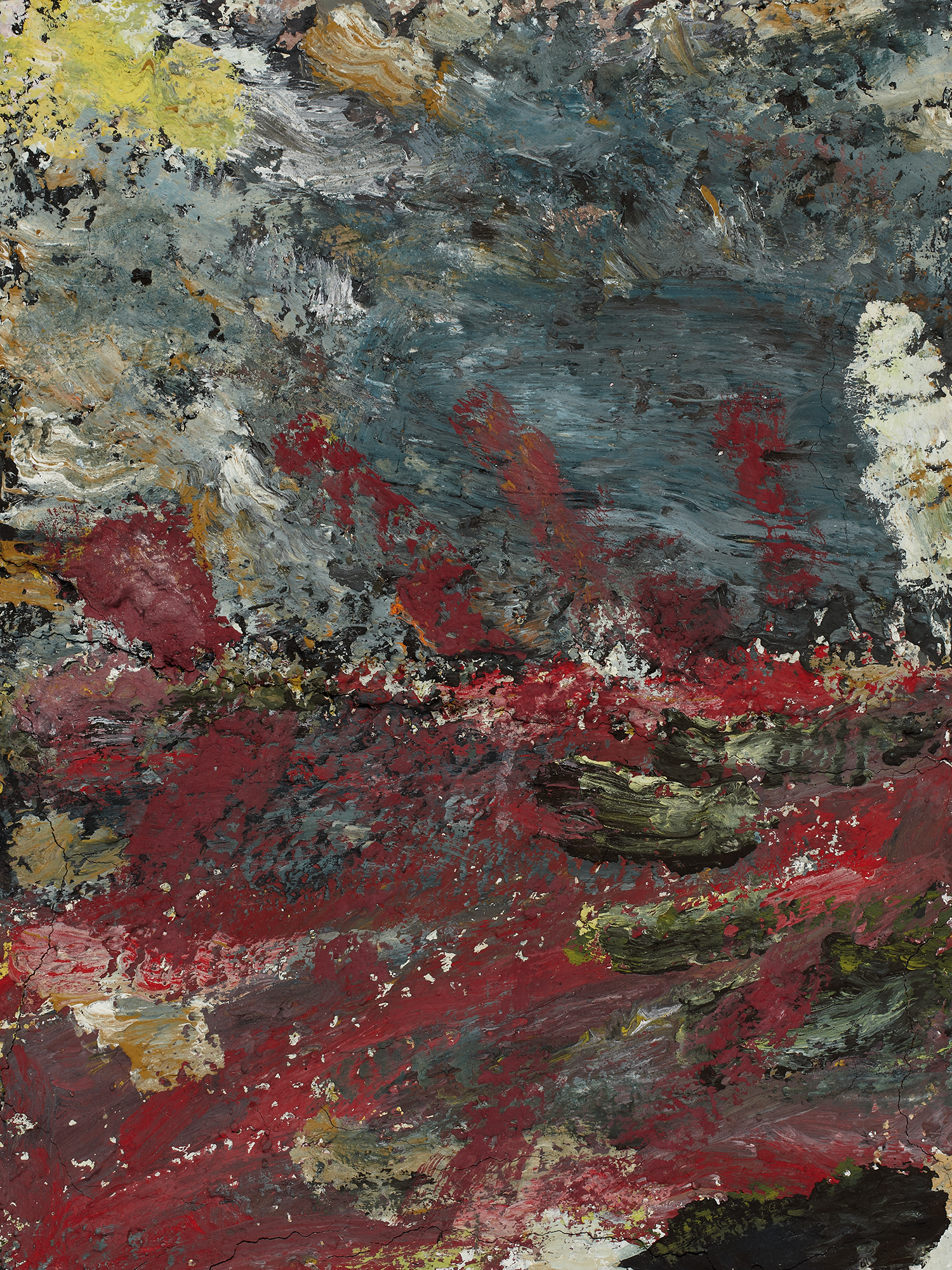
Natla Diptychon I,2, 1988/89
Eitempera auf Papier
48 x 36 cm
Privatbesitz
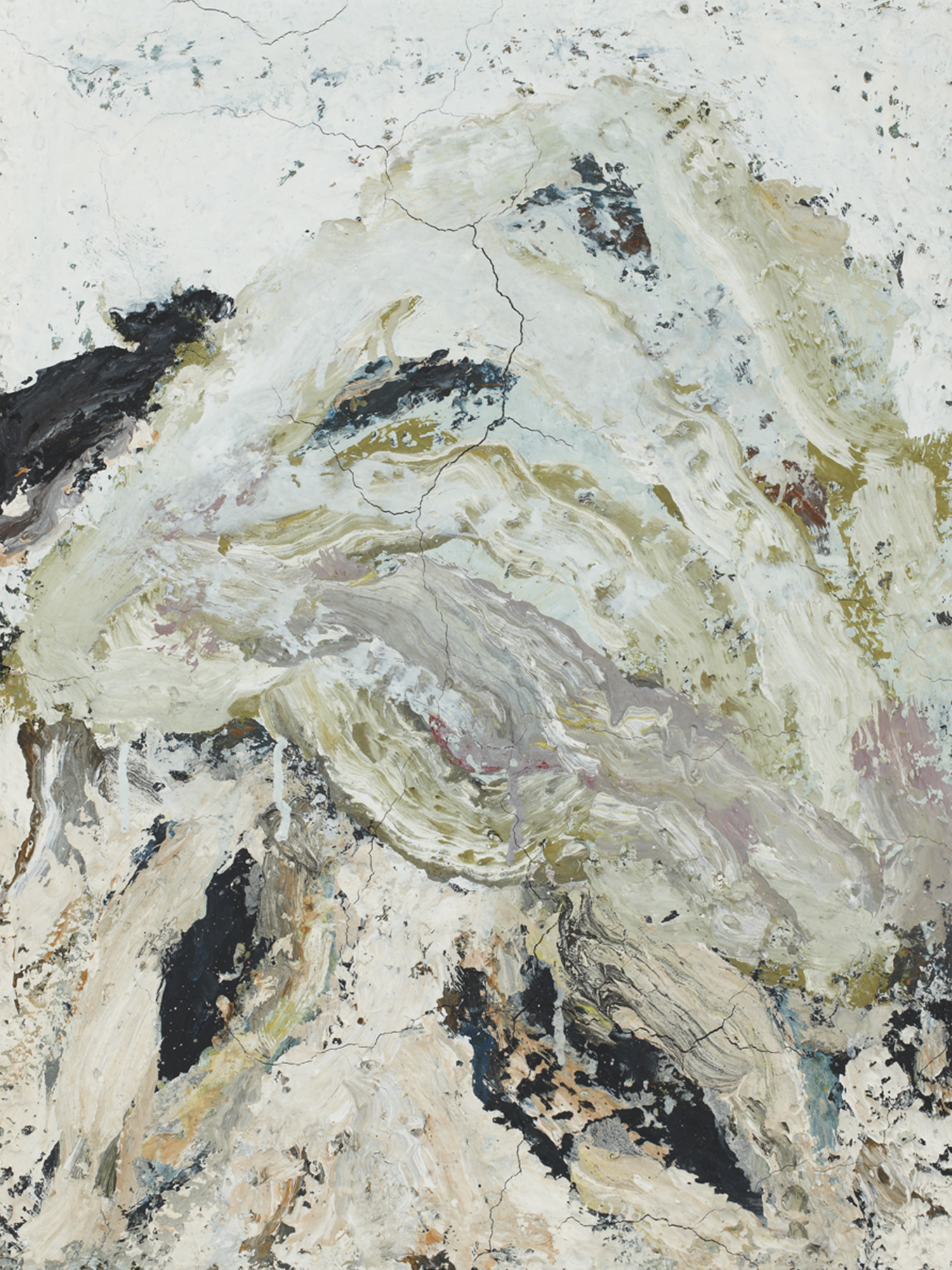
Natla Triptychon II, 1, 1988/89
Eitempera auf Papier
48 x 36 cm
Sammlung W. H.
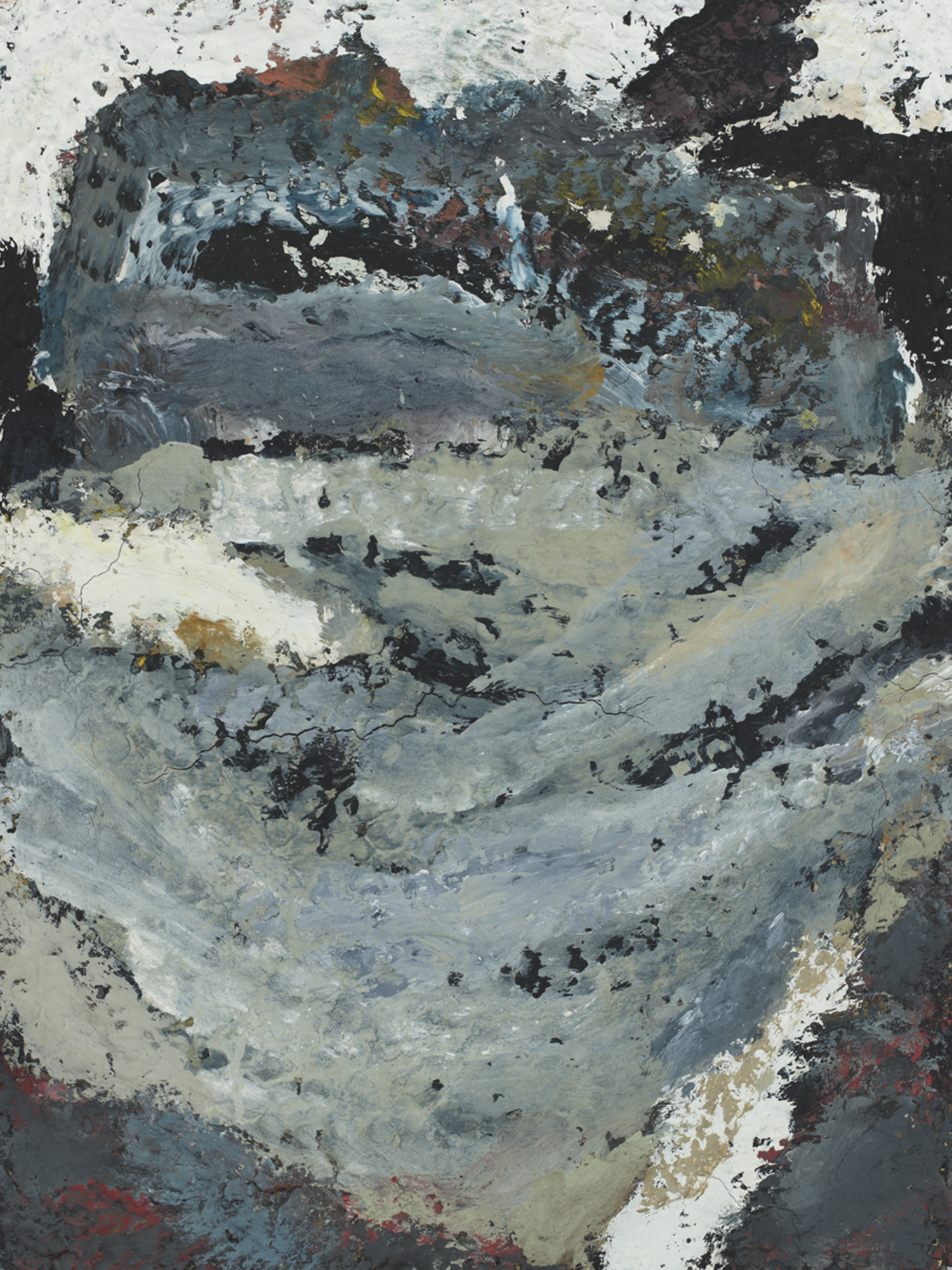
Natla Triptychon II, 2, 1988/89
Eitempera auf Papier
48 x 36 cm
Sammlung W. H.
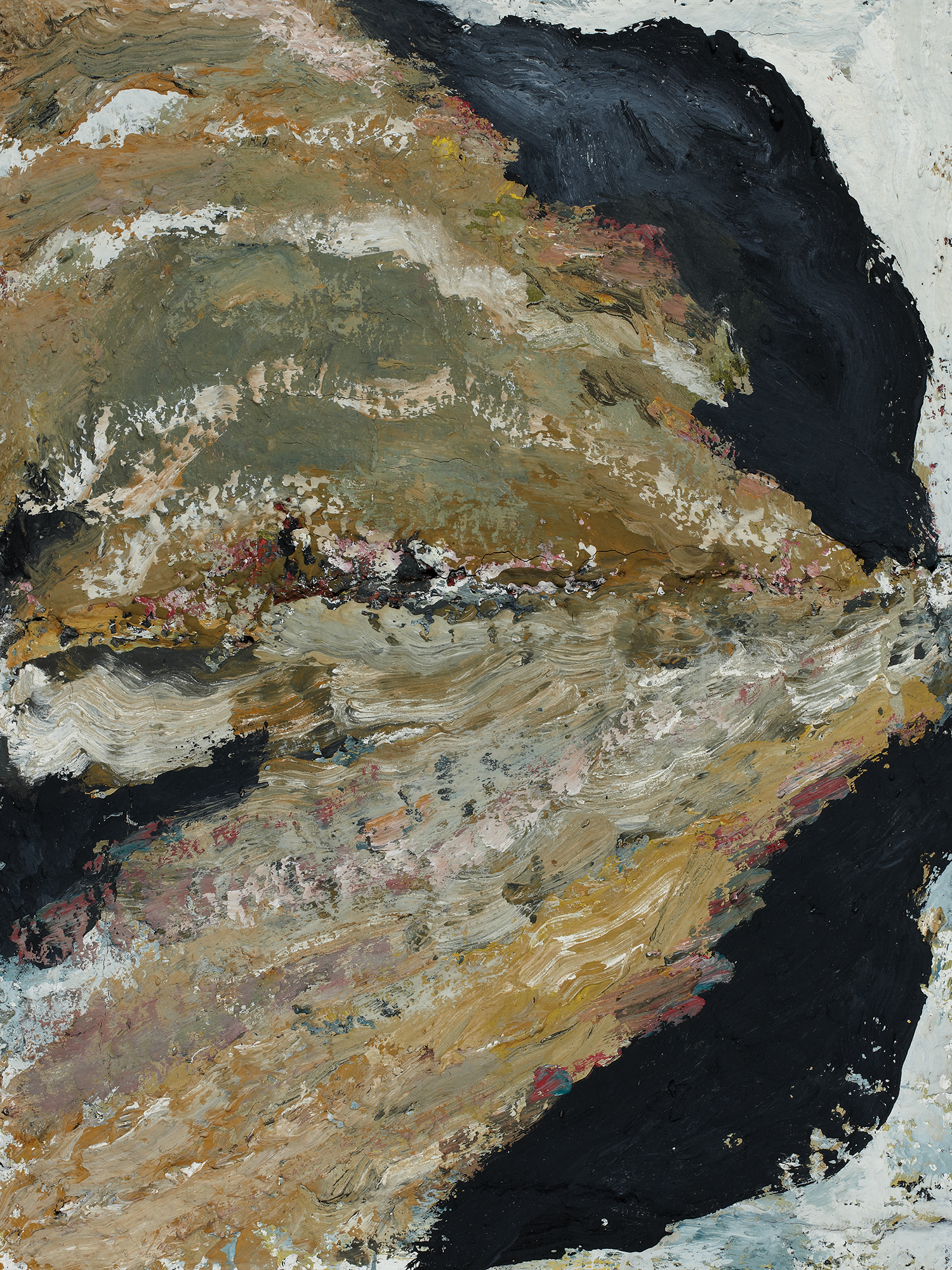
Natla Triptychon II, 3, 1988/89
Eitempera auf Papier
48 x 36 cm
Sammlung W. H.
Triptych ‘Fonterutoli’
“It is a form of painting that is thoroughly conceived and experienced as colour, whose essence is defined by colour.”
Otto Breicha, 1991
In these powerful paintings, Schubert’s artistic work develops a radical independence. His painting is not a controlled concept based on the accumulation of colour, but a processual act involving patience, concentration and openness. Deep emotional turmoil triggers a process of exploration and discovery using painterly means. Without a clearly defined goal, what has been achieved is repeatedly reworked, destroyed, painted over and improved until a multi-layered materiality emerges.
The external inspiration for this triptych was a dilapidated gateway to an abandoned vineyard, overgrown with ivy and bindweed – for Schubert, the beginning of a painterly adventure in which the starting point became lost along the way.
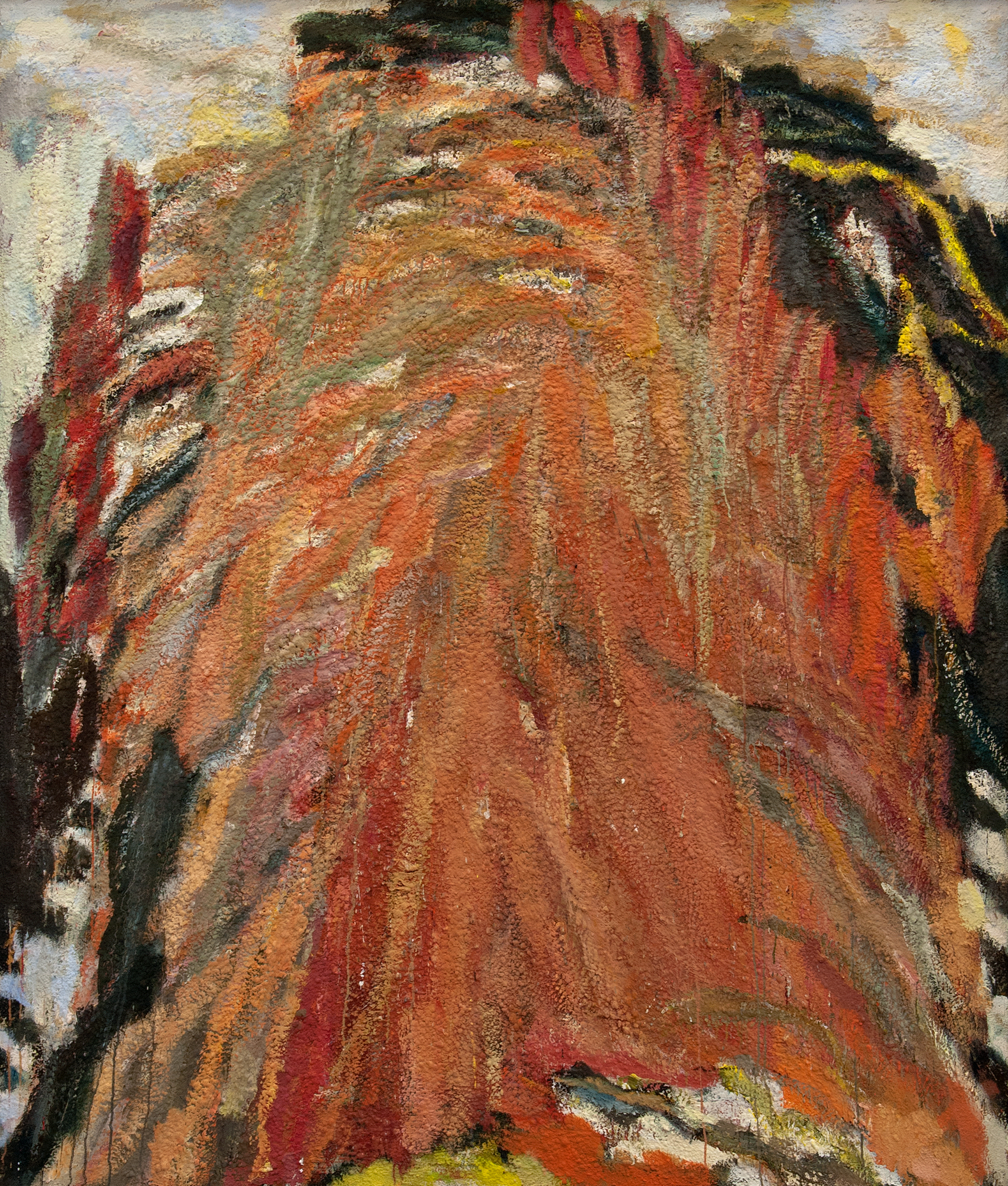
Fonterutoli, Triptychon 1988/90
Eitempera auf Leinwand
200 x 170,5 cm
Salzburg Museum, Salzburg
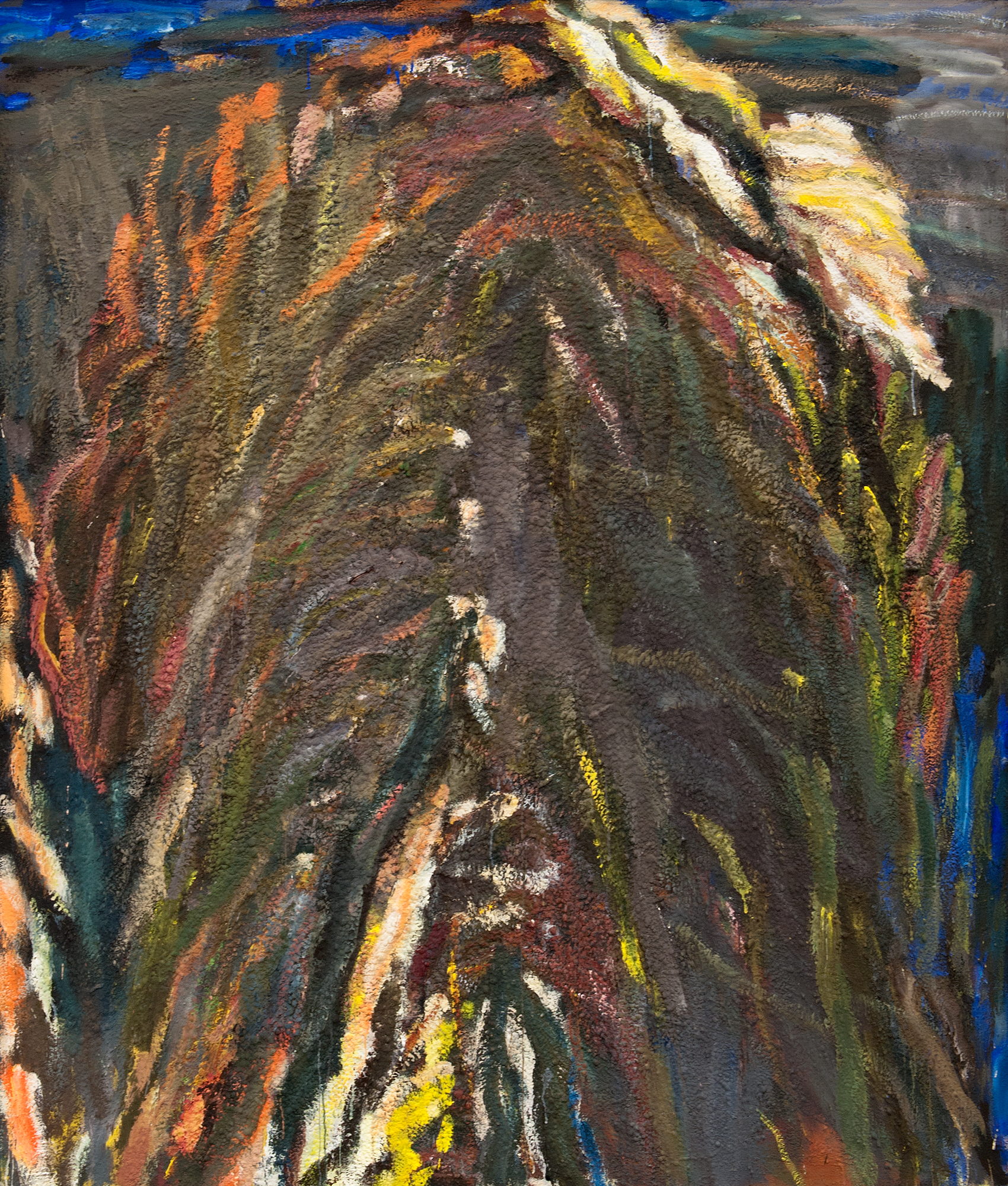
Fonterutoli, Triptychon 1988/90
Eitempera auf Leinwand
200 x 170,5 cm
Salzburg Museum, Salzburg
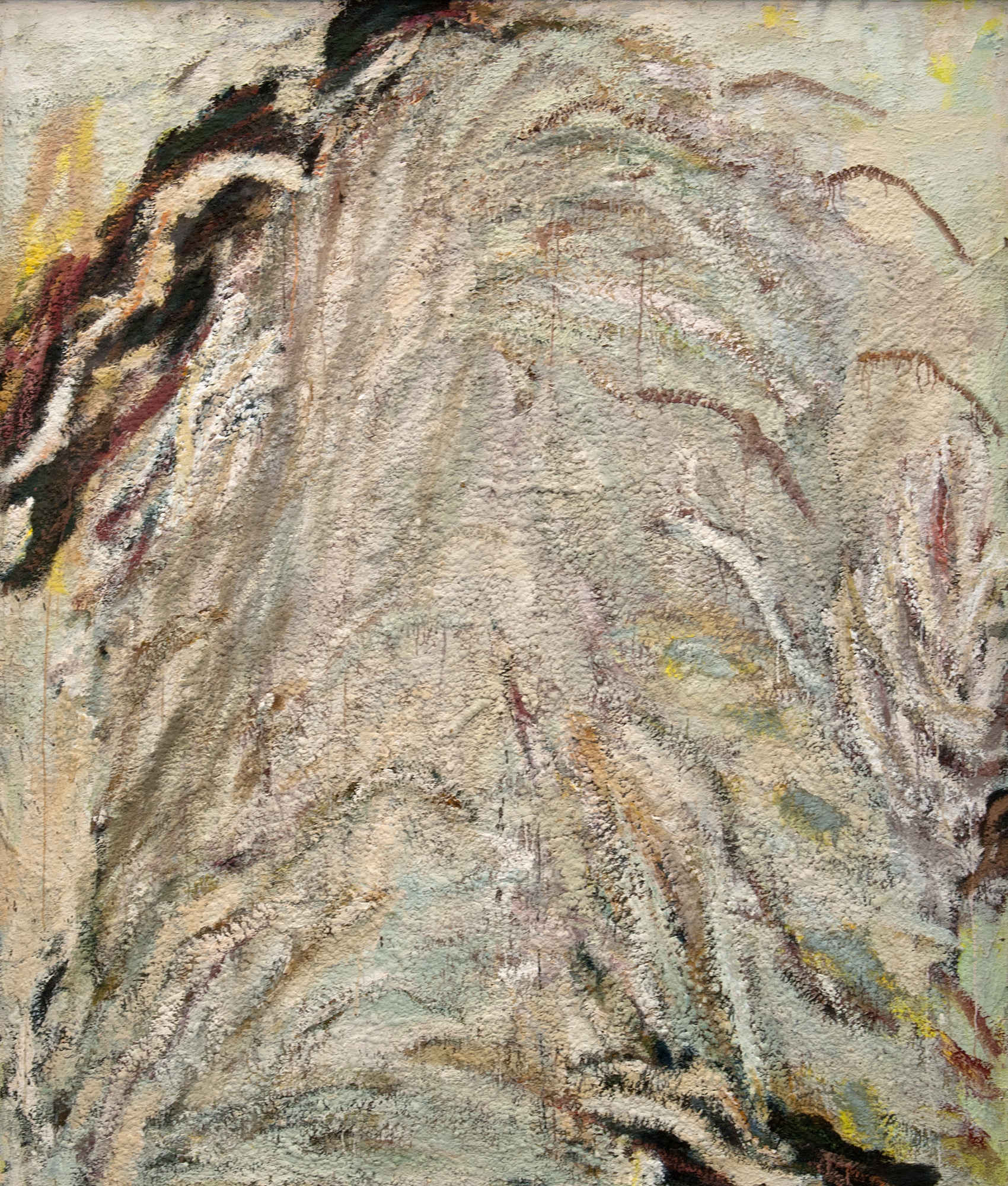
Fonterutoli, Triptychon 1988/90
Eitempera auf Leinwand
200 x 170,5 cm
Salzburg Museum, Salzburg
Late works
In later years, Schubert turned his attention to myths and archetypal figures. In his painted interpretation of the myth of the birth of Aphrodite, he failed to capture the female figures to his satisfaction and only accepted Uranus. He then brought figures to the canvas who, even in their detachment, frailty and struggle with death, conveyed a peculiar vitality, a dancer’s confidence, and serenity but also world-weariness.
The multi-layered, slate-like application of paint creates a velvety, matt iridescence and a raw materiality on the one hand. On the other hand, the dynamic painting process produces figures whose gestures and postures evoke the inevitable nature of human existence. They appear as individuals, turned in on themselves, as if from another reality. They do not unsettle the viewer, but rather attract attention through their enigmatic nature and autonomous presence.
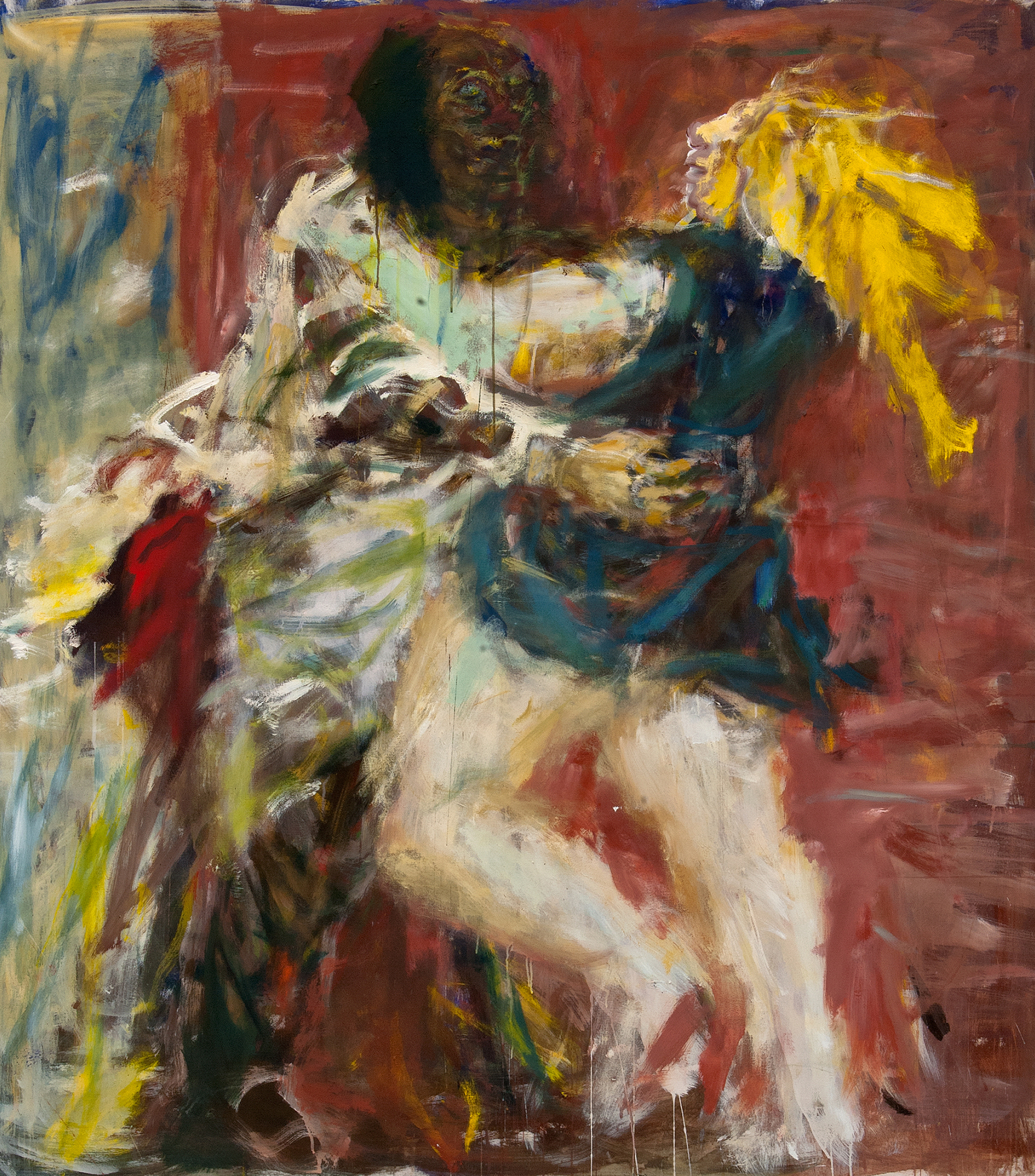
Der Tod und das Mädchen, 2010
Eitempera auf Textil auf Sperrholzplatte
175 x 160 cm
Salzburg Museum, Salzburg
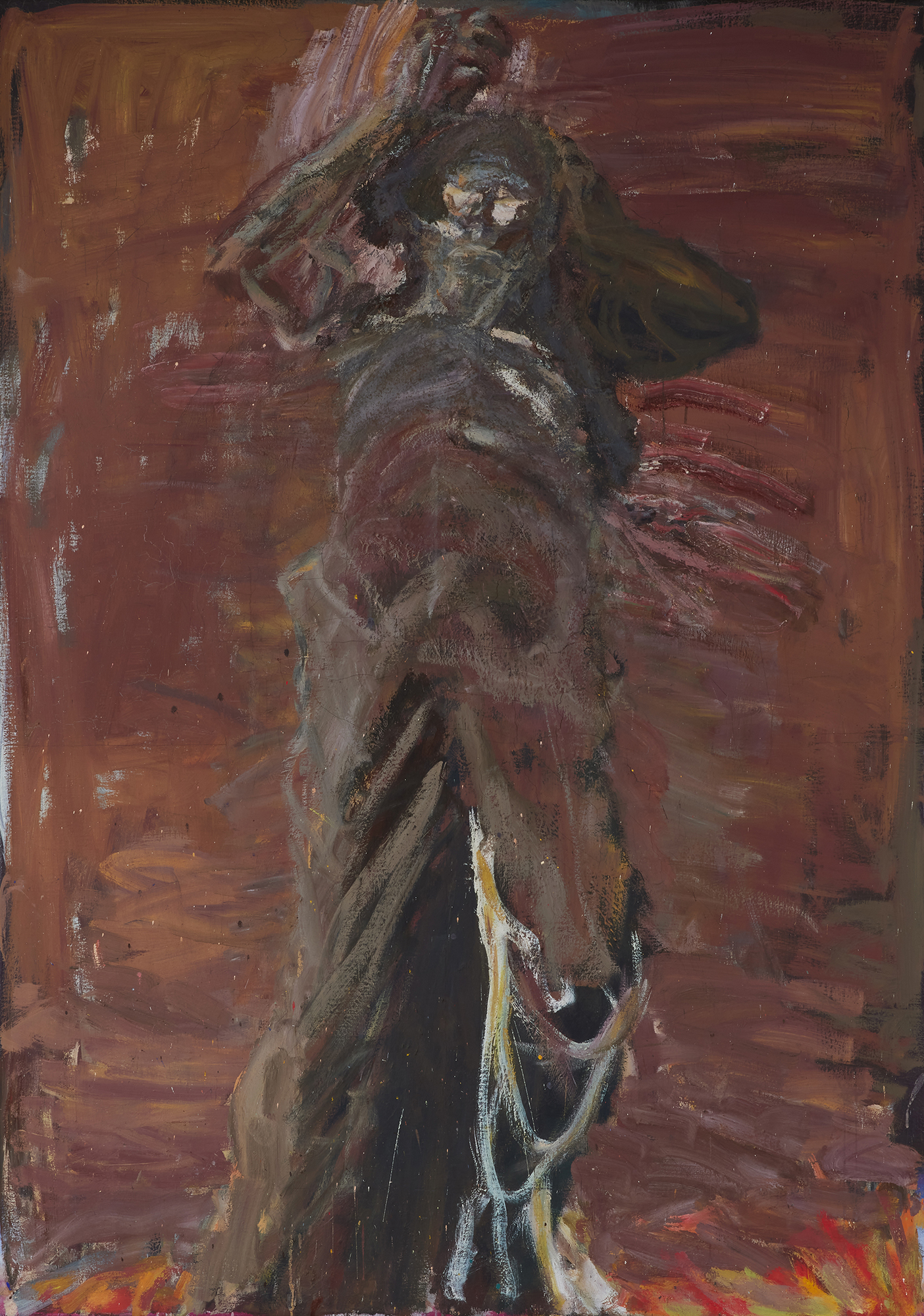
Figurenstudie, um 1995
Eitempera auf Leinwand
170 x 120 cm
Privatbesitz
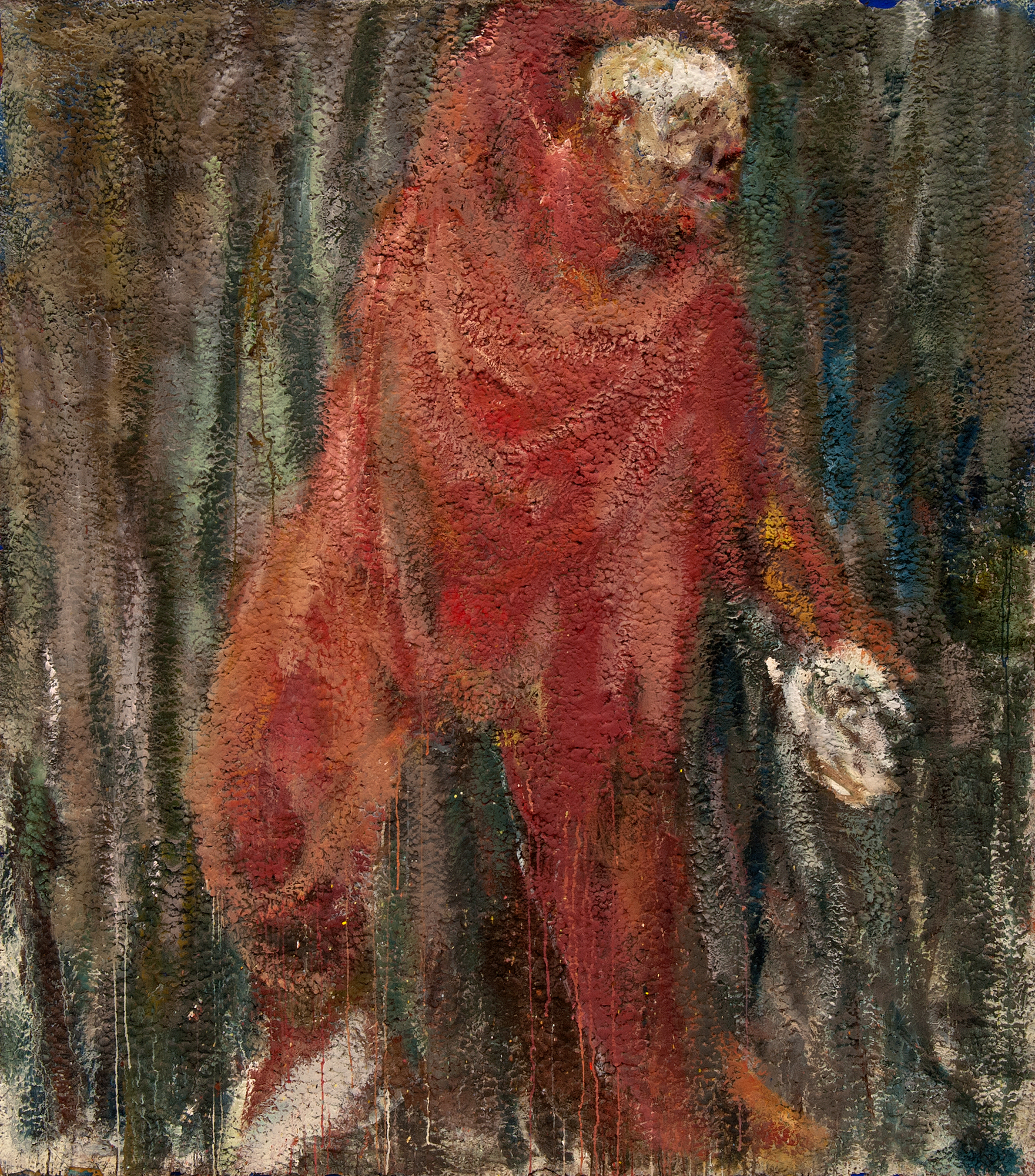
Homunculus, 2010
Eitempera auf Leinwand auf Sperrholzplatte
165 x 145 cm
Sammlung W.H.
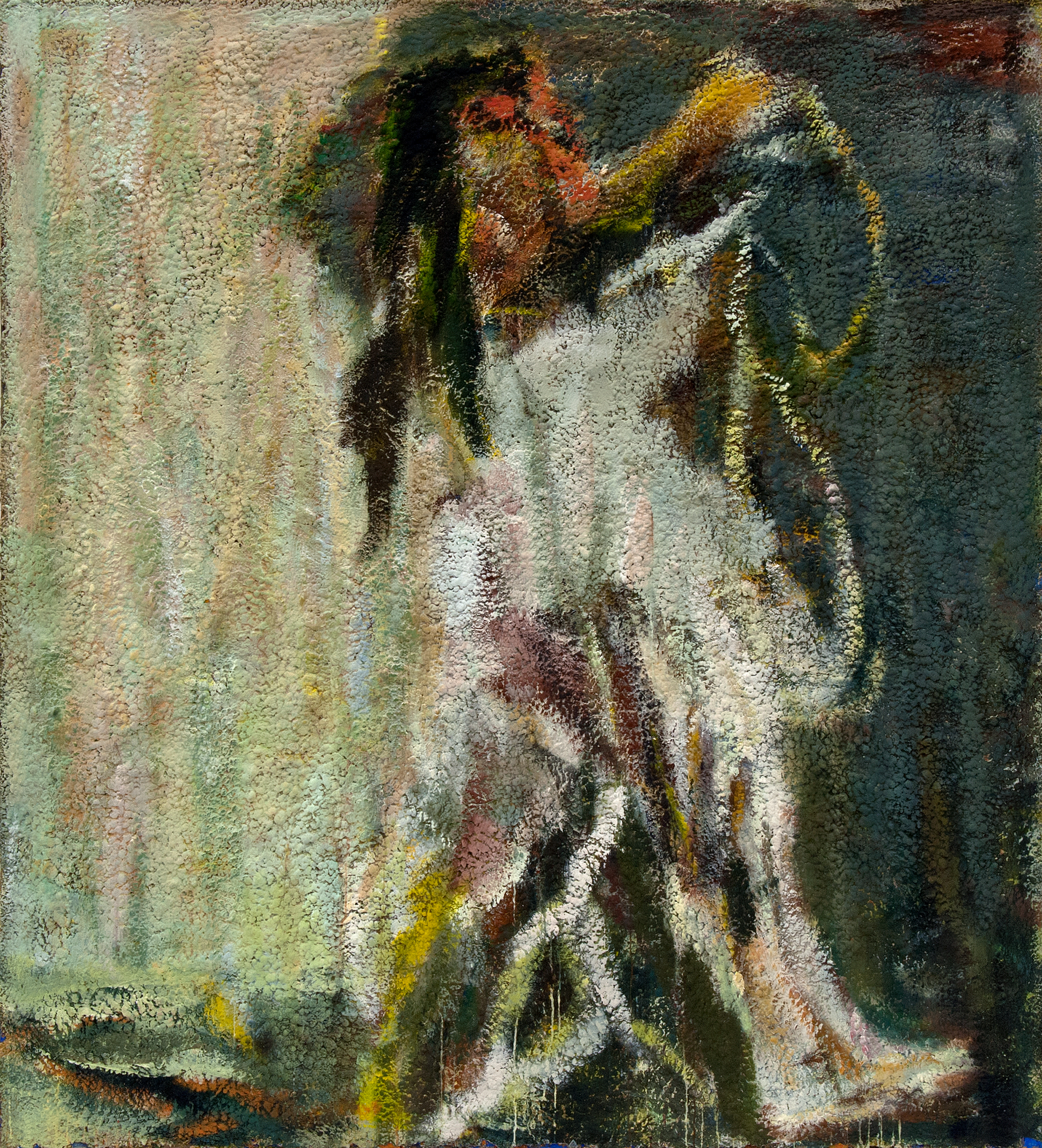
Mythische Figur, 2010
Eitempera auf Leinwand auf Sperrholzplatte
170,5 x 156,5 cm
Privatbesitz
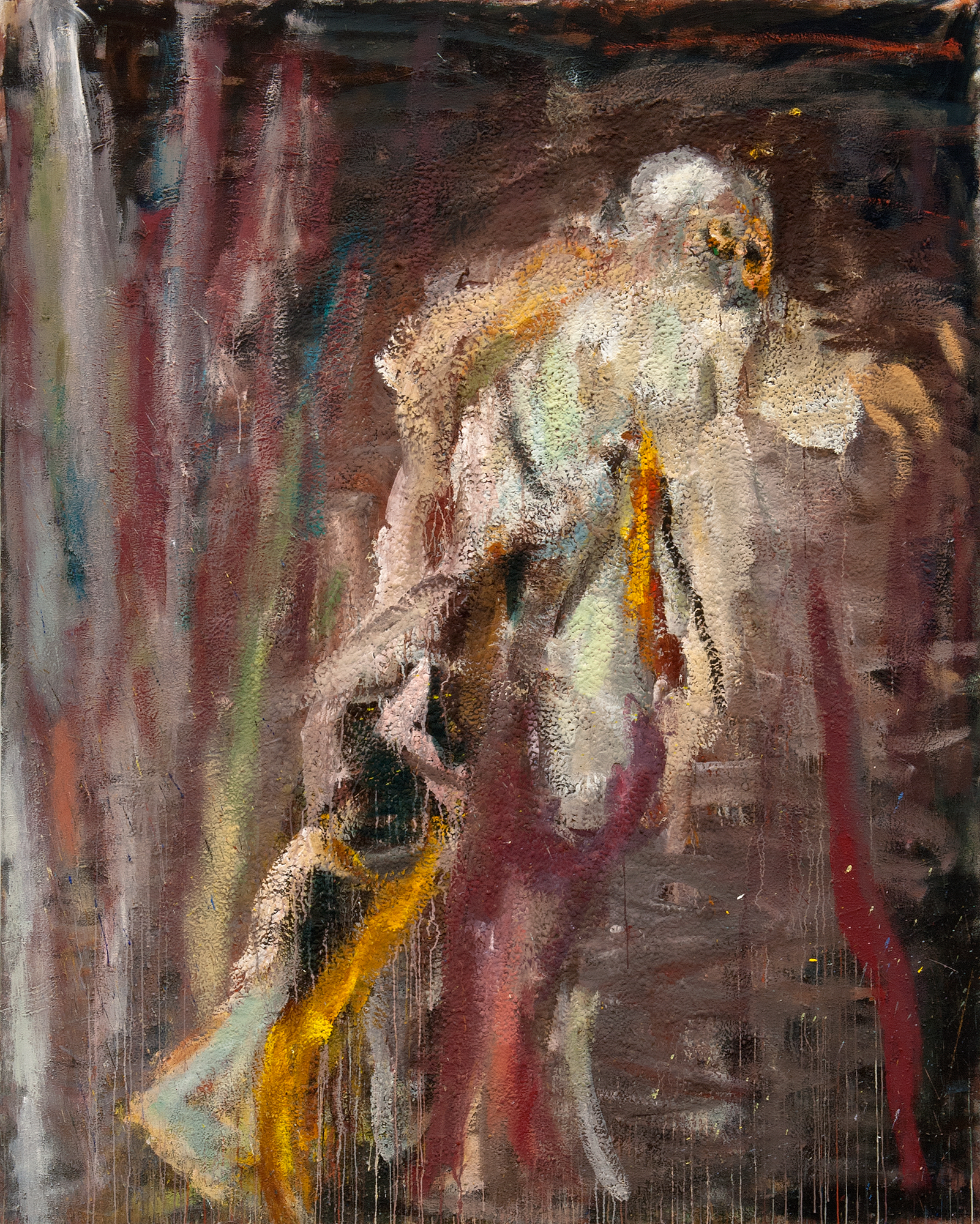
Uranus, 2011
Eitempera auf Leinwand Sperrholzplatte
200 x 160 cm
Privatbesitz
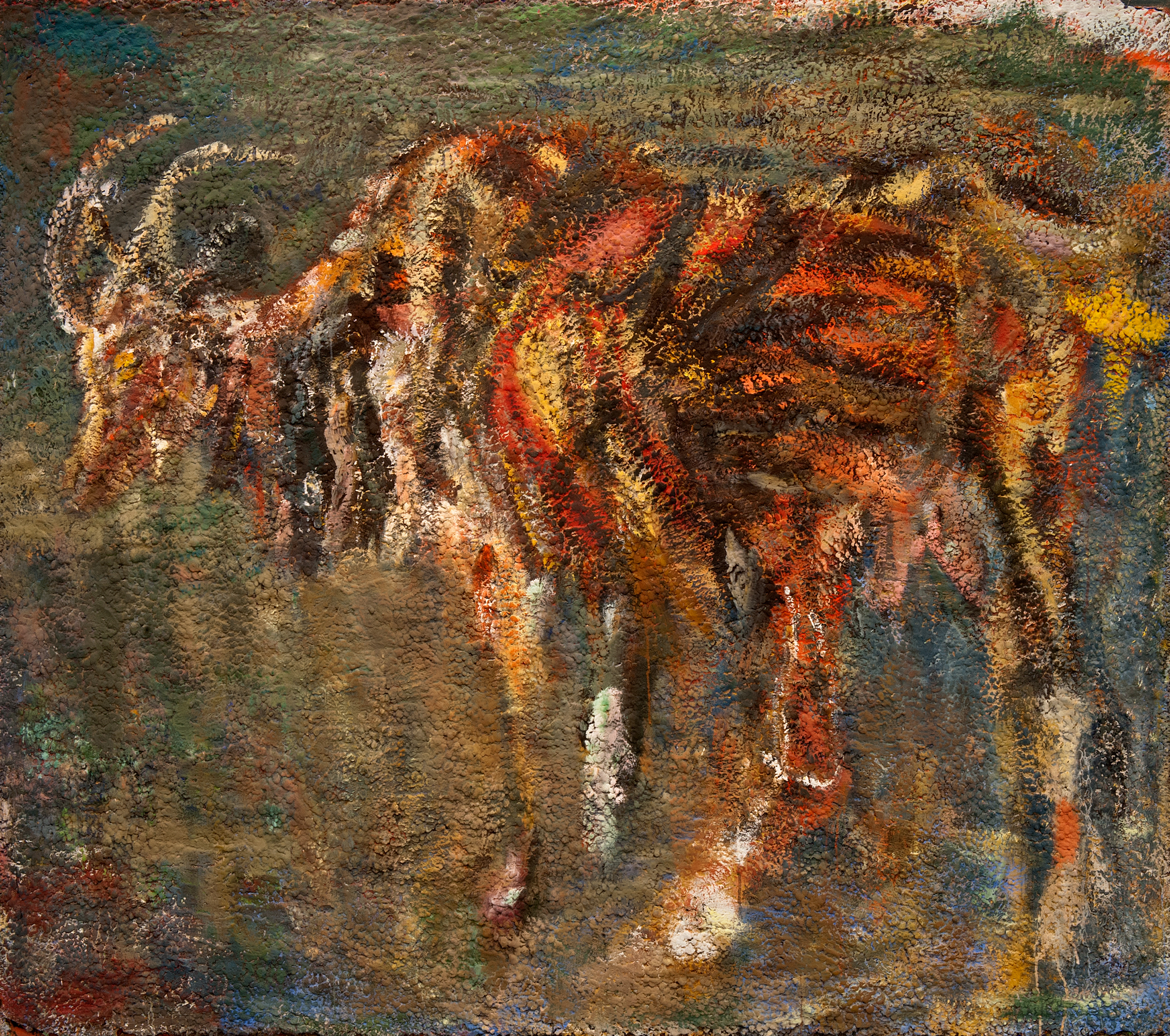
Arkadische Ziege, 2010
Eitempera auf Leinwand auf Sperrholzplatte
145 x 166 cm
Sammlung Dr. T.W.
Landscape cycle ‘Pictures of the Sea’ (unfinished)
Herwig Schubert’s last paintings belong to the sea that he loved so much. Venturing out into the vastness, into the open, was for him a challenge, an adventure and a home all at once.
The same was true of his work as an artist.
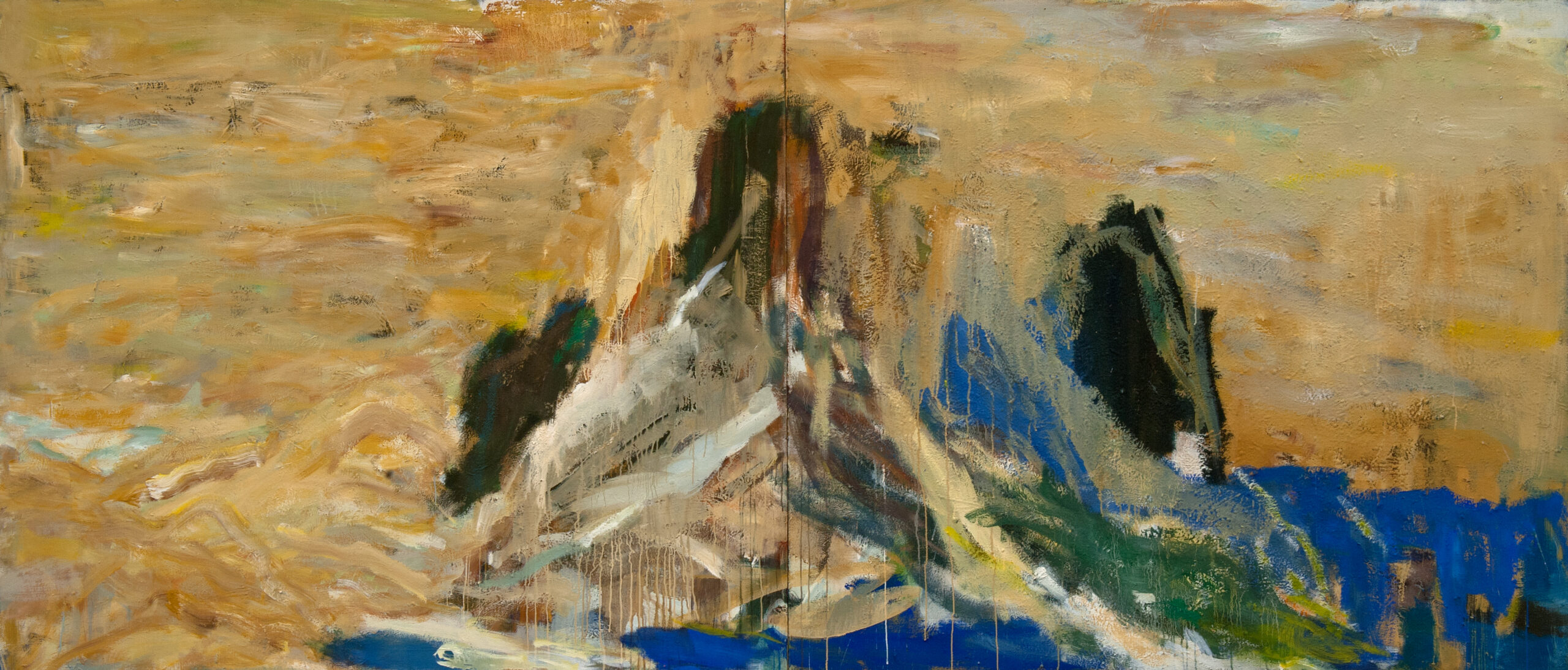
Scilly Island, (2 Teile) 2011
Eitempera auf Textil auf Sperrholzplatte
140 x 326 cm
Privatbesitz
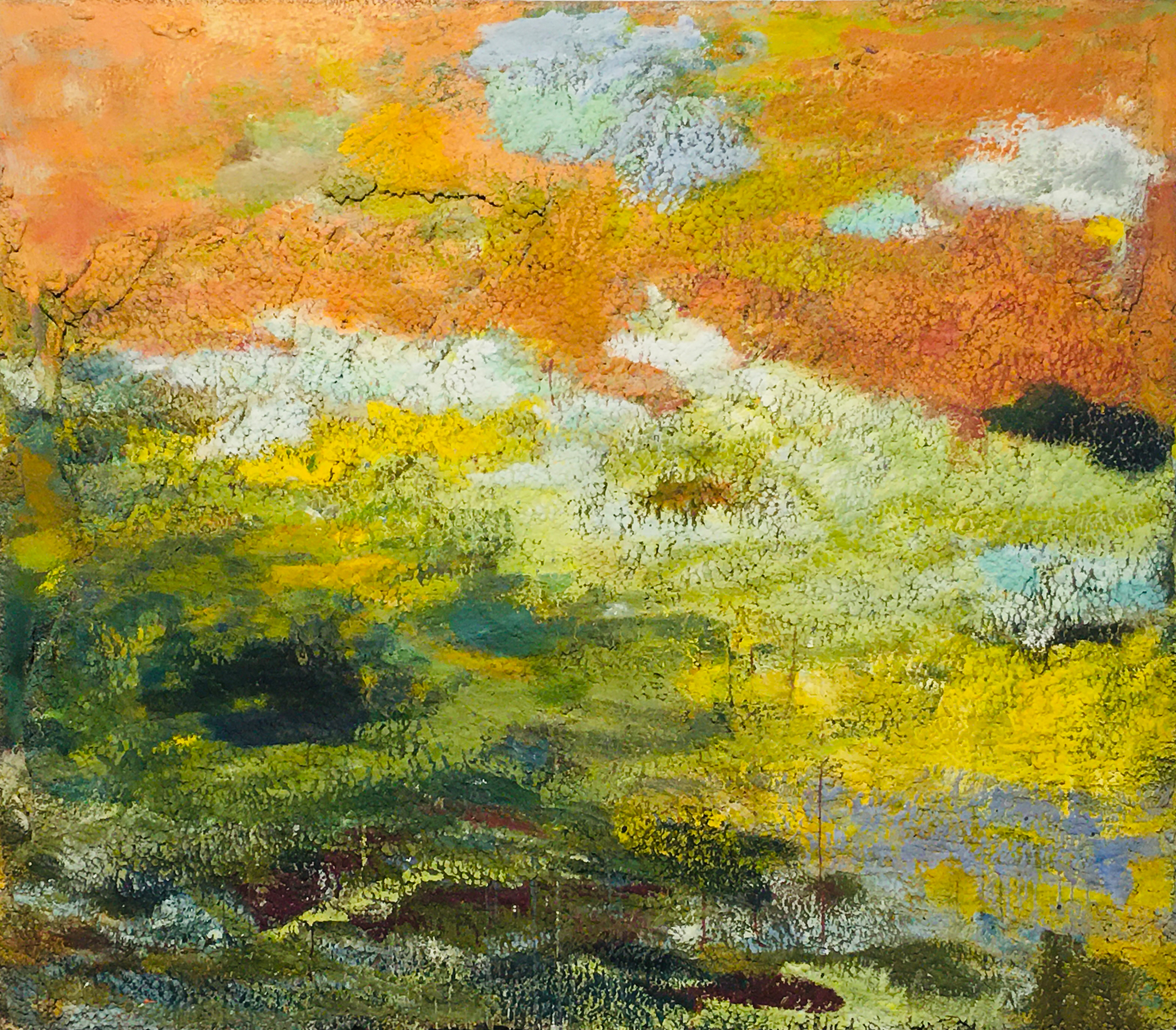
Cap Finistère, 2011 / 2013
Eitempera auf Leinwand auf Sperrholz
160 x 200 cm
Privatbesitz
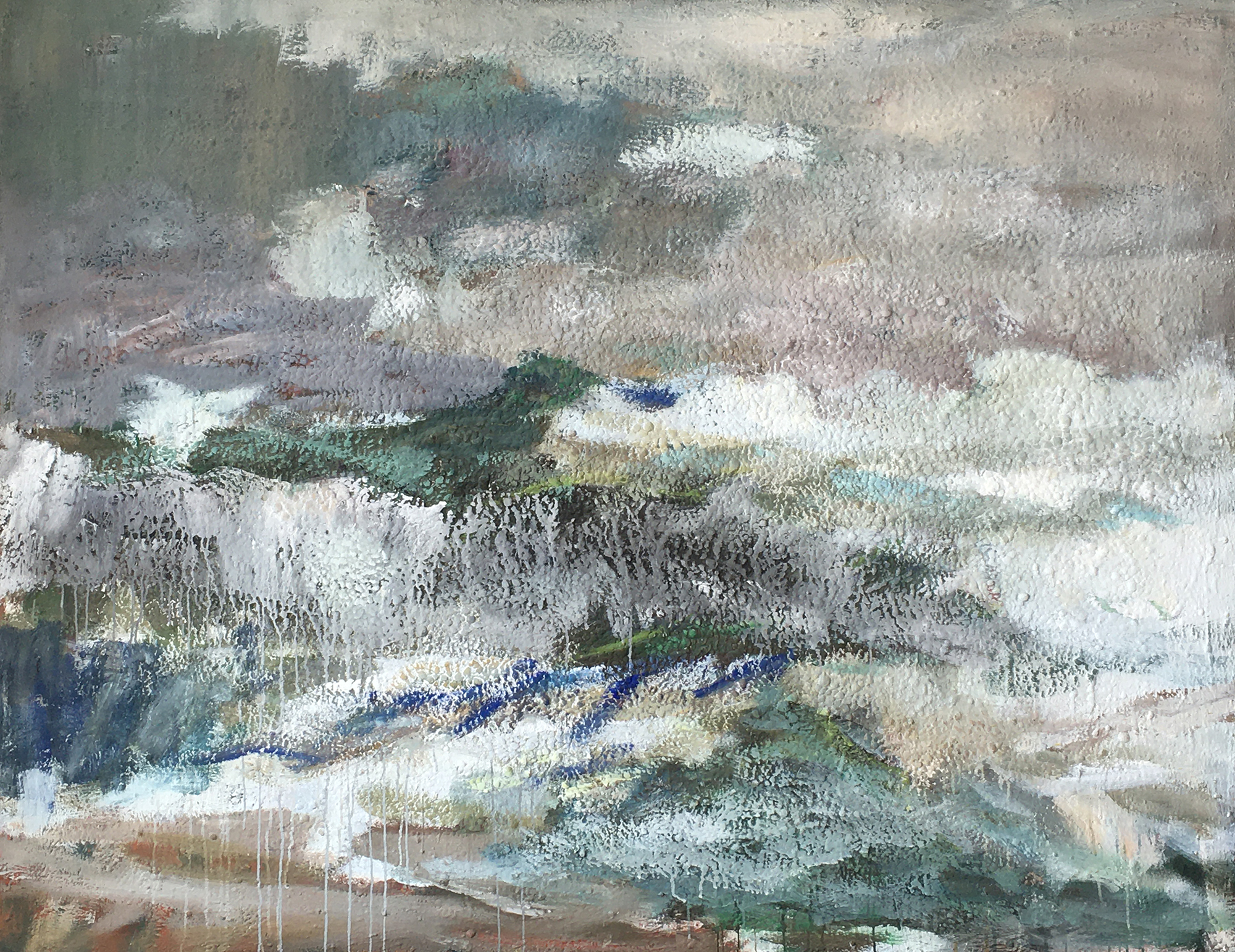
Island 2017
Eitempera auf Leinwand auf Sperrholz
135 x 169 cm
Privatbesitz
Hans Widrich, 2011
“On the waves of the sea and hills”
“Powerful, colourful, wild and focused: Herwig Schubert has never strayed from his path. He has tackled the subjects he cares most about: The glowing landscape and the fragile human figure.
He has thoroughly explored both areas and created his own astonishingly independent work from both. To this day, life and painting remain an adventure for him.”
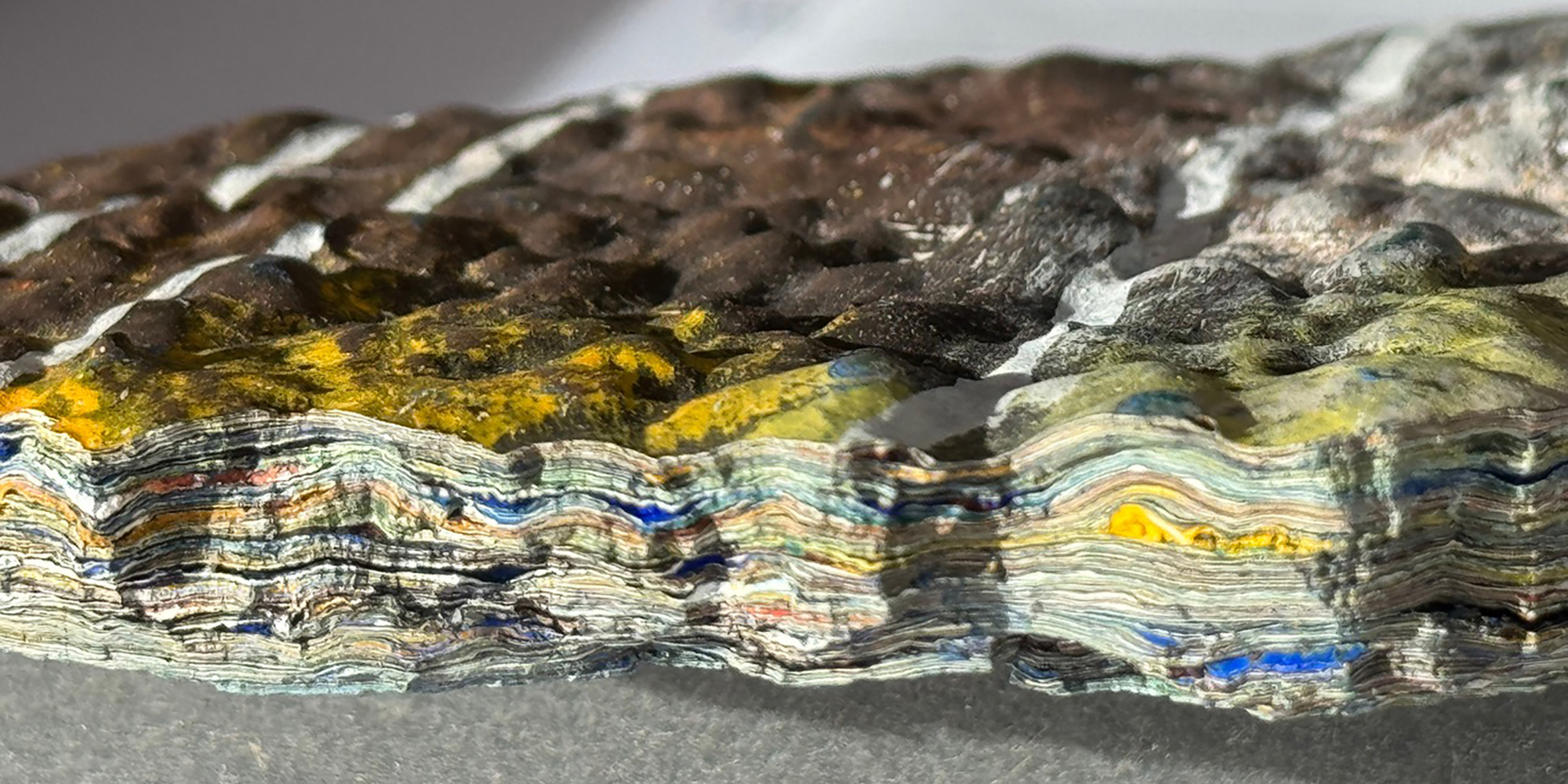
This fragment of an unfinished painting from the cycle ‘Pictures of the Sea’ shows a structure consisting of more than 50 layers of paint.

