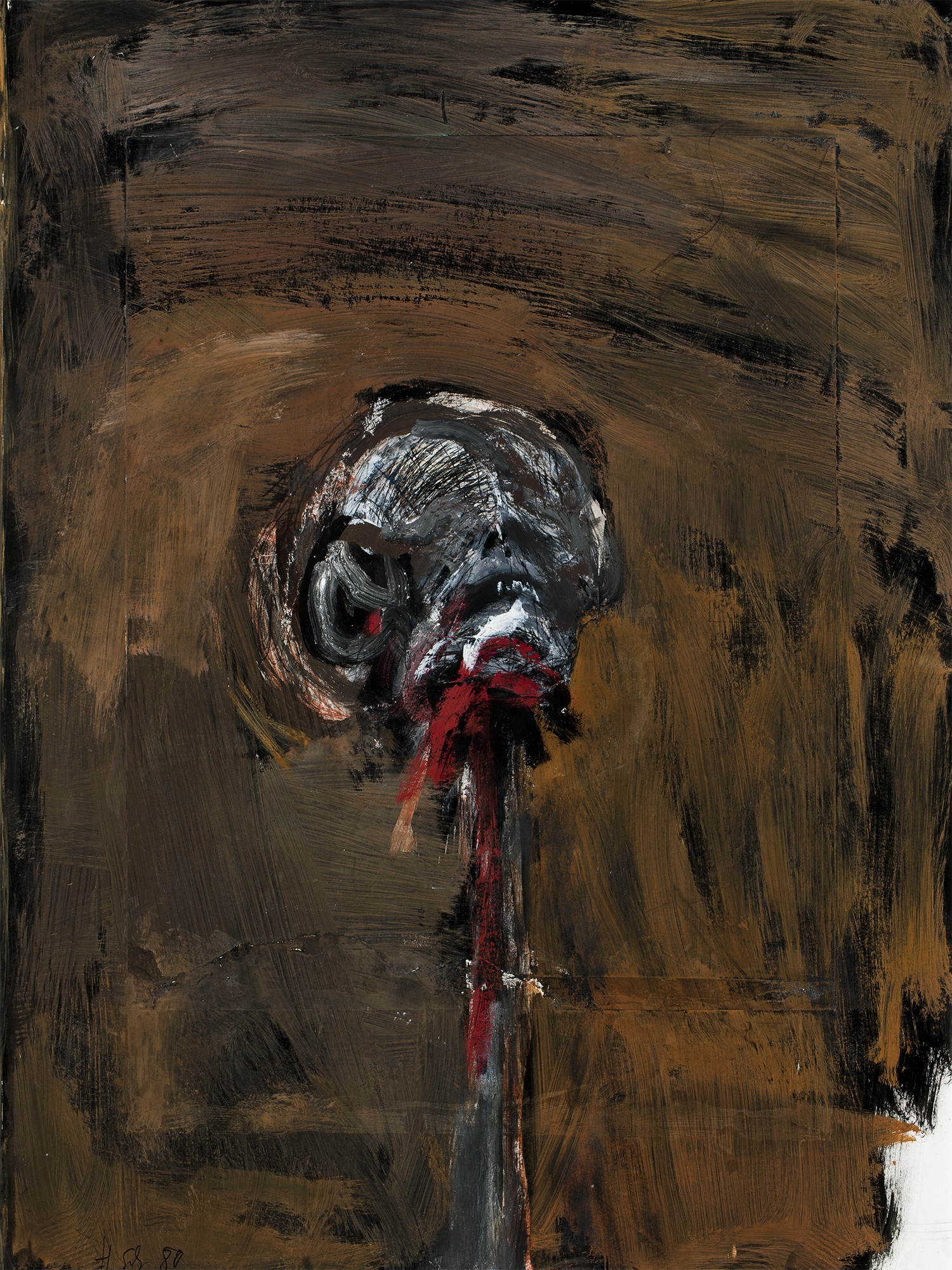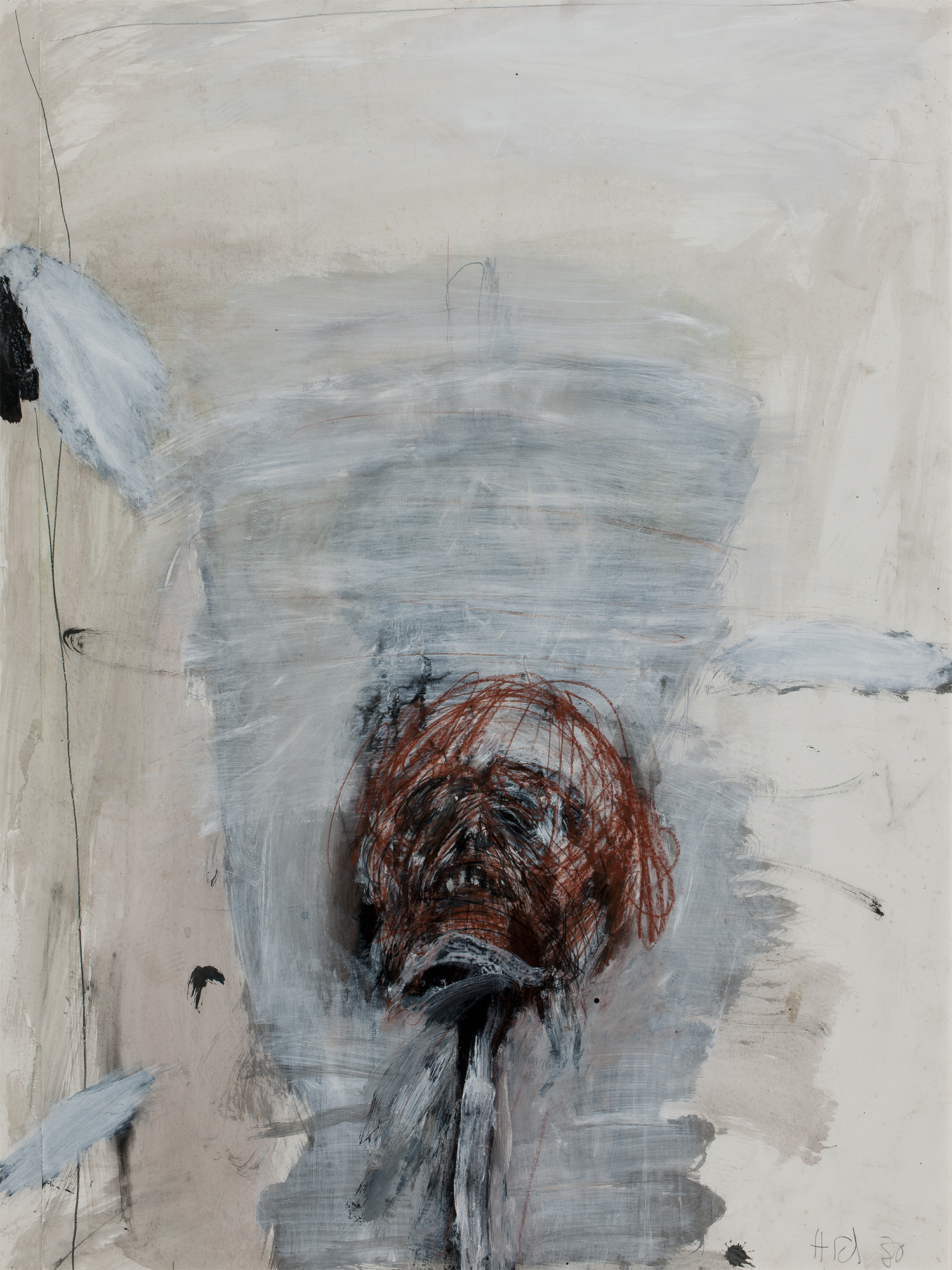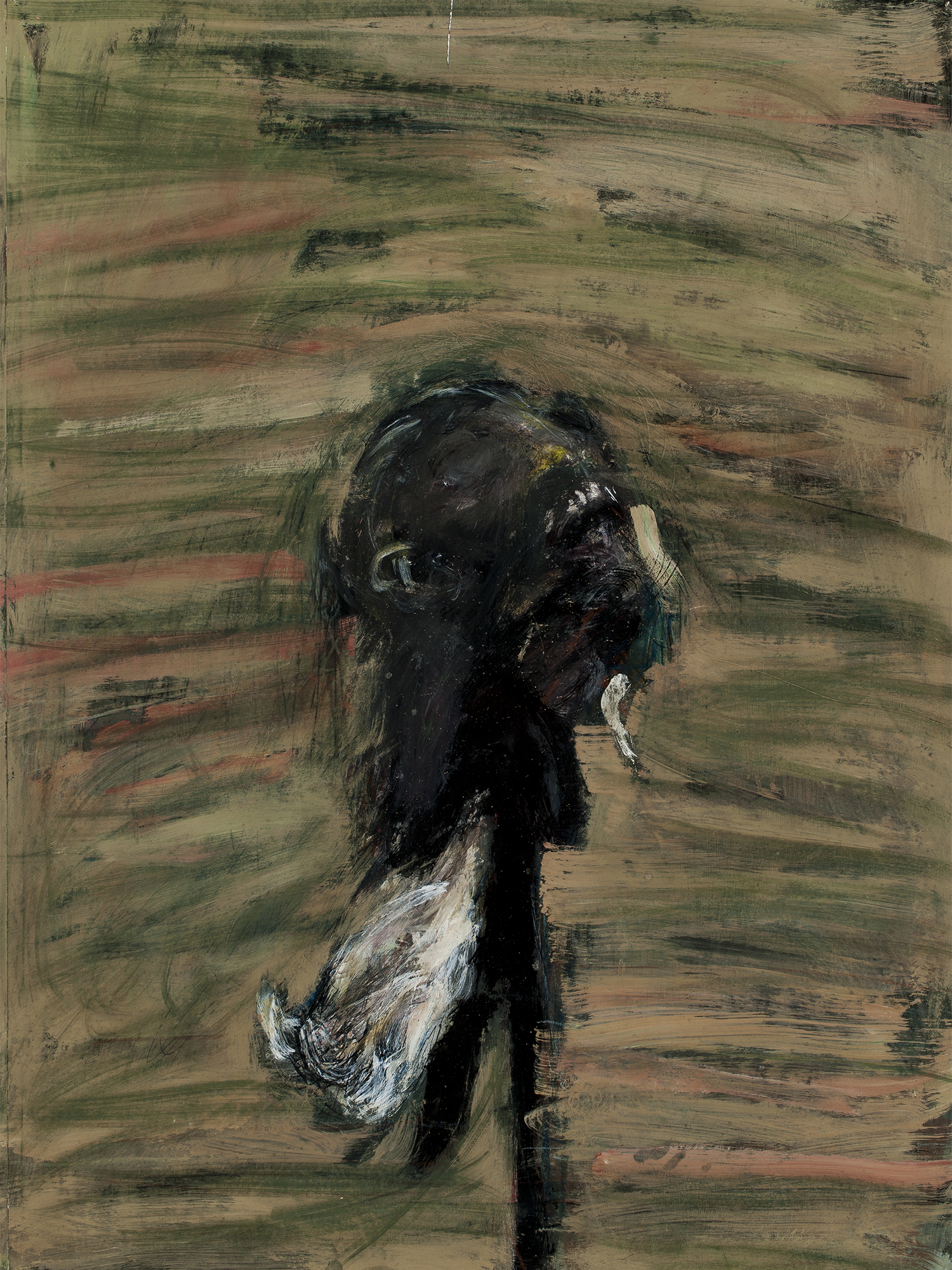
Schubert’s figurative works in mixed media are just as representative of his graphic oeuvre as his landscapes in mixed media. Here, too, Schubert develops his own visual language comprised of dynamic strokes, accumulations of lines, contrasts between black and white, overpainting, and a pointed physicality in order to reflect the vital forces that, as in nature, are also in constant motion within human beings. Schubert employs his keen powers of observation and his skills in drawing and painting to visualise the intense emotions that arise within the tension between power and powerlessness.
He addresses human hubris and madness in the two triptychs ‘Guatemala I-III’ and ‘Trophy I-III’. In short, Schubert makes the myriad layers of human existence perceptible in his figurative drawings – often with unsparing directness.
Schubert’s nude figures clearly transcend the conventional poses used in nude painting. In engaging with them, the viewer becomes enmeshed in human abysses and transience, but also in the beauty of sensual existence.
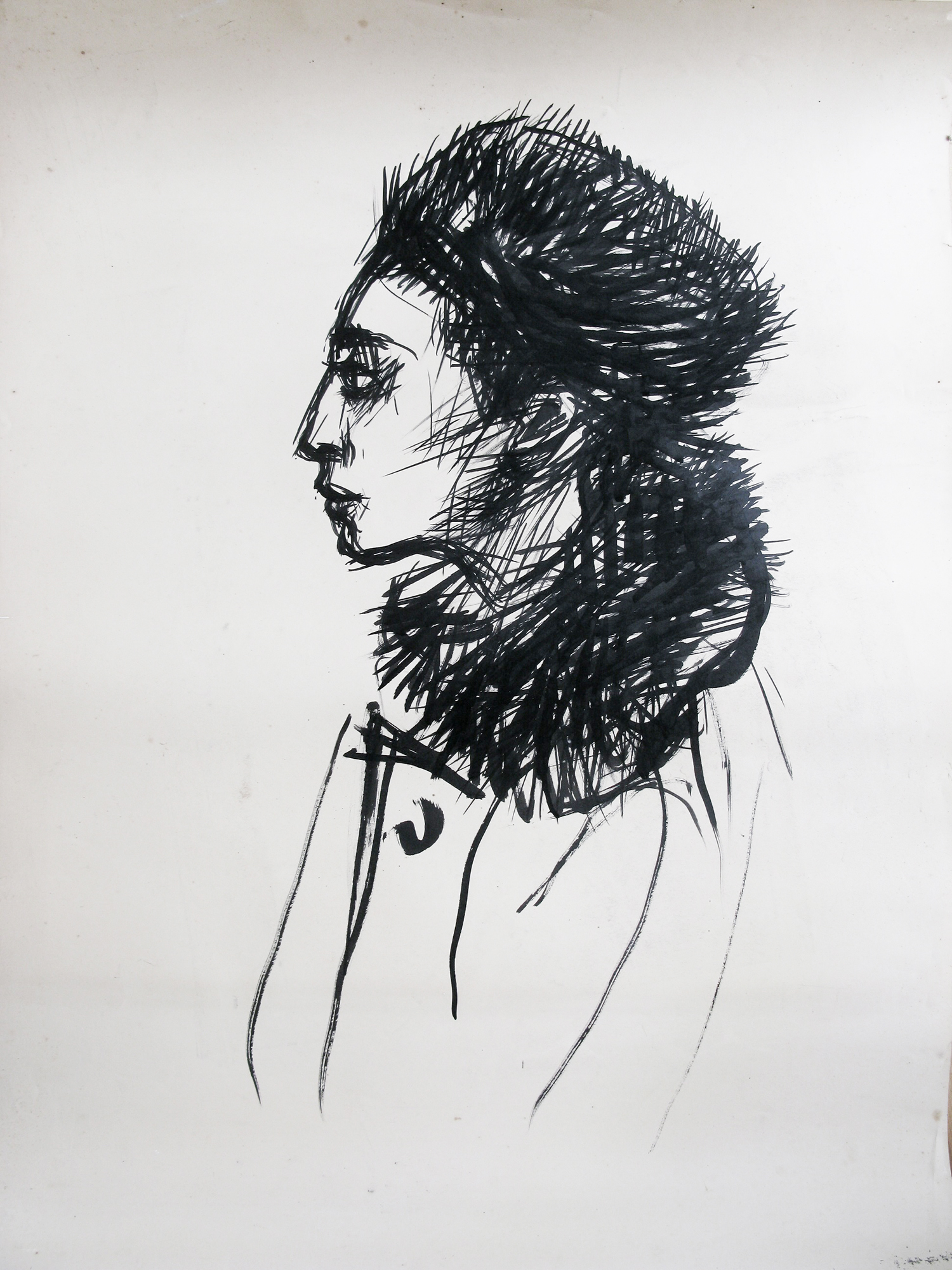
Portrait einer jungen Türkin, 1961
72,5 x 101 cm, Tusche auf Papier
Privatbesitz (alle 3 Portraits)
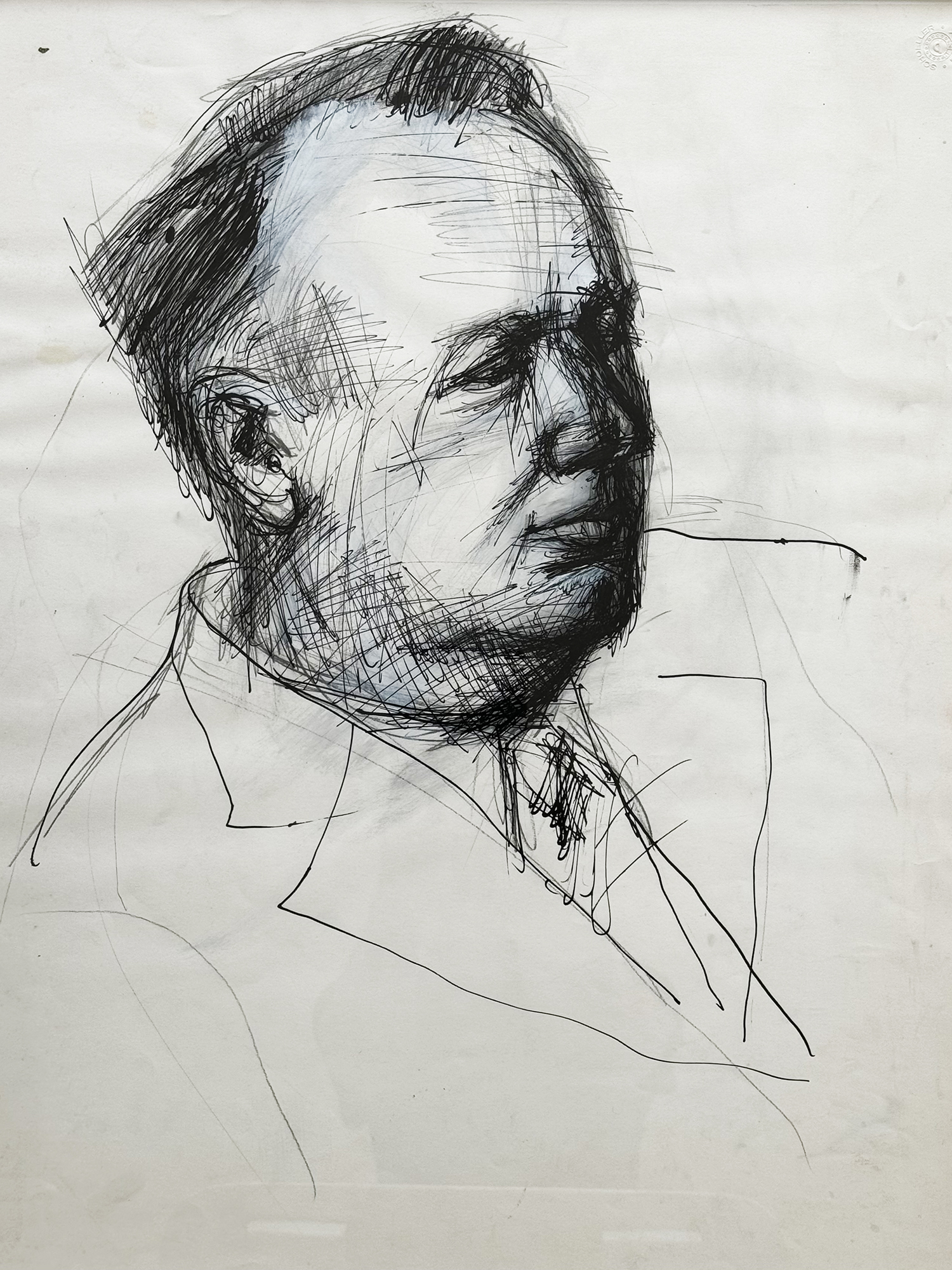
Portrait Dr. B. 1975
57,5 x 44,8 cm
Tusche, Deckweiß auf Papier
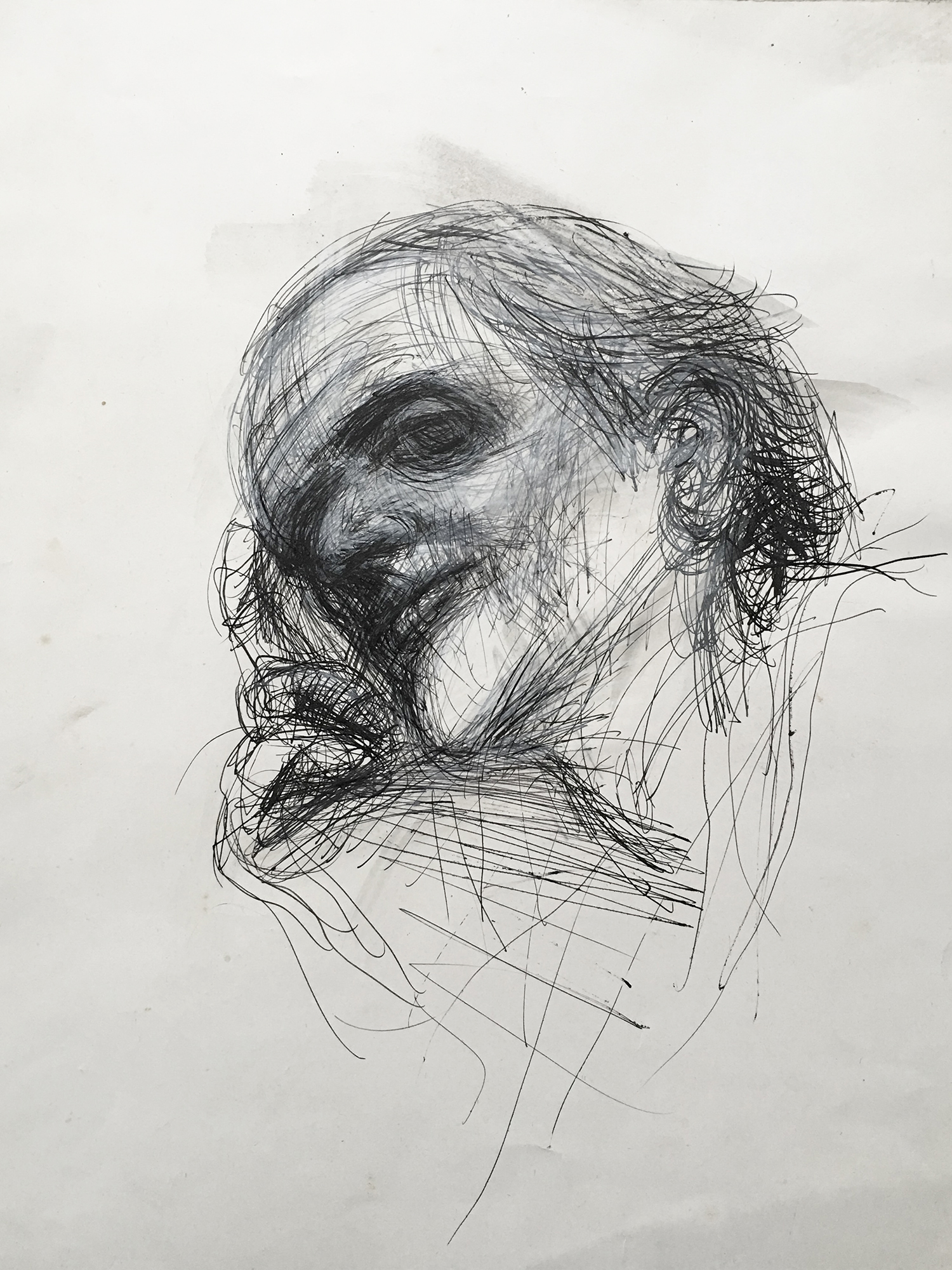
Portraitstudie Prof. K.M., um 1971
51,8 x 41 cm
Tusche, Deckweiß auf Papier
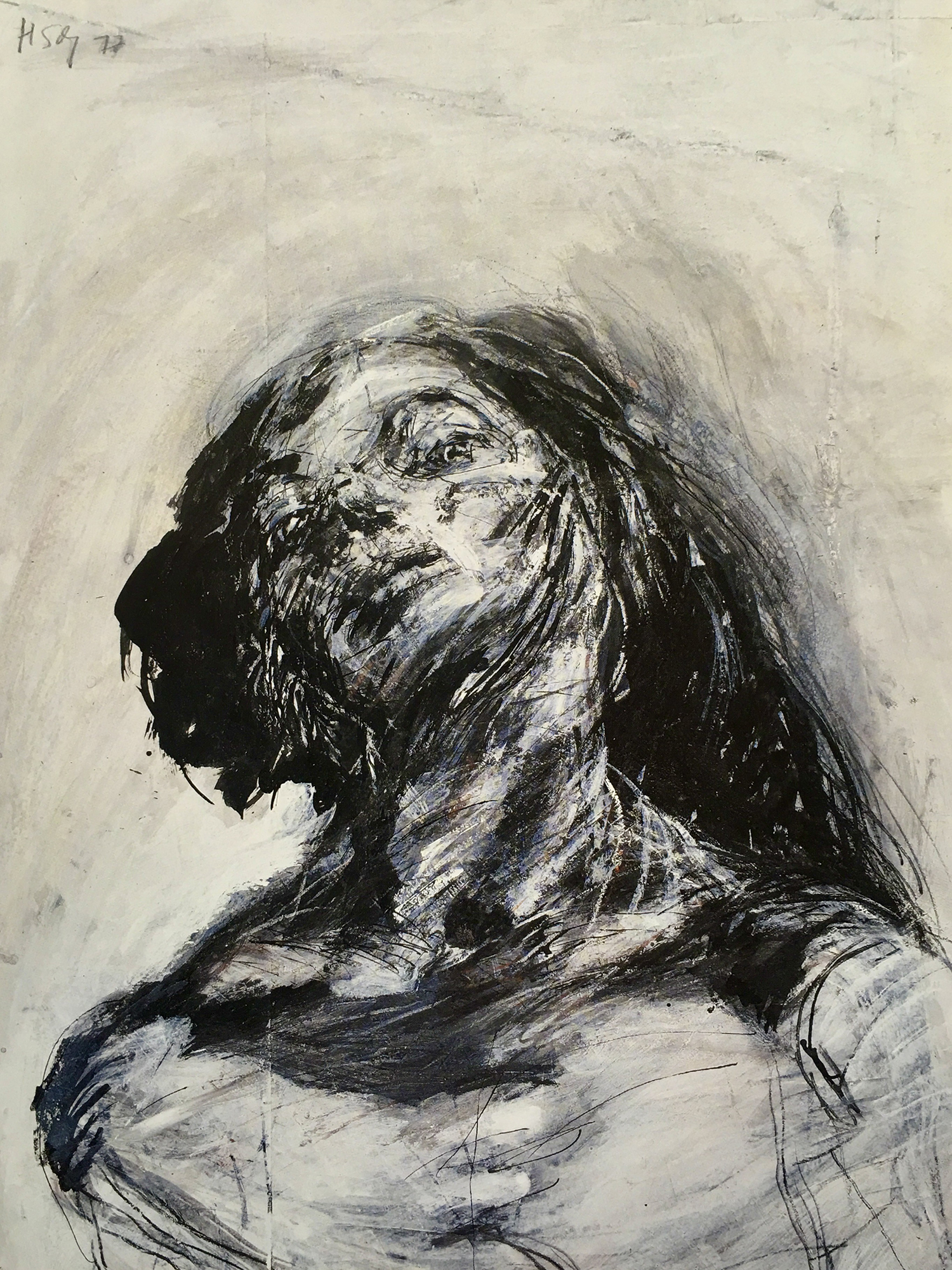
Portraitstudie, 1977
Mischtechnik auf Karton
73 x 55 cm, Salzburg Museum,
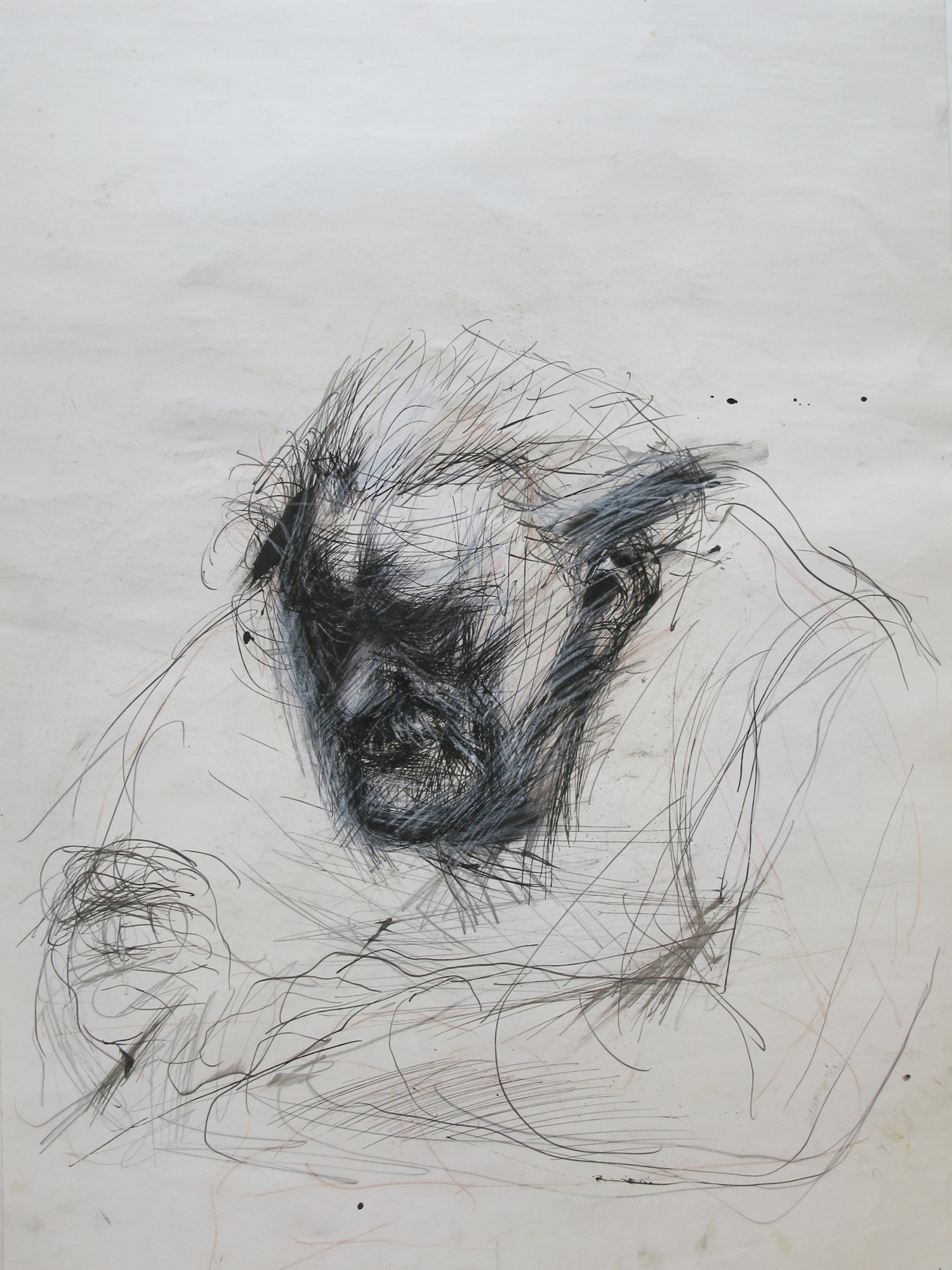
Portrait Friedrich Welz, 1971
Mischtechnik auf Papier
76,3 x 62,2 cm
Privatbesitz
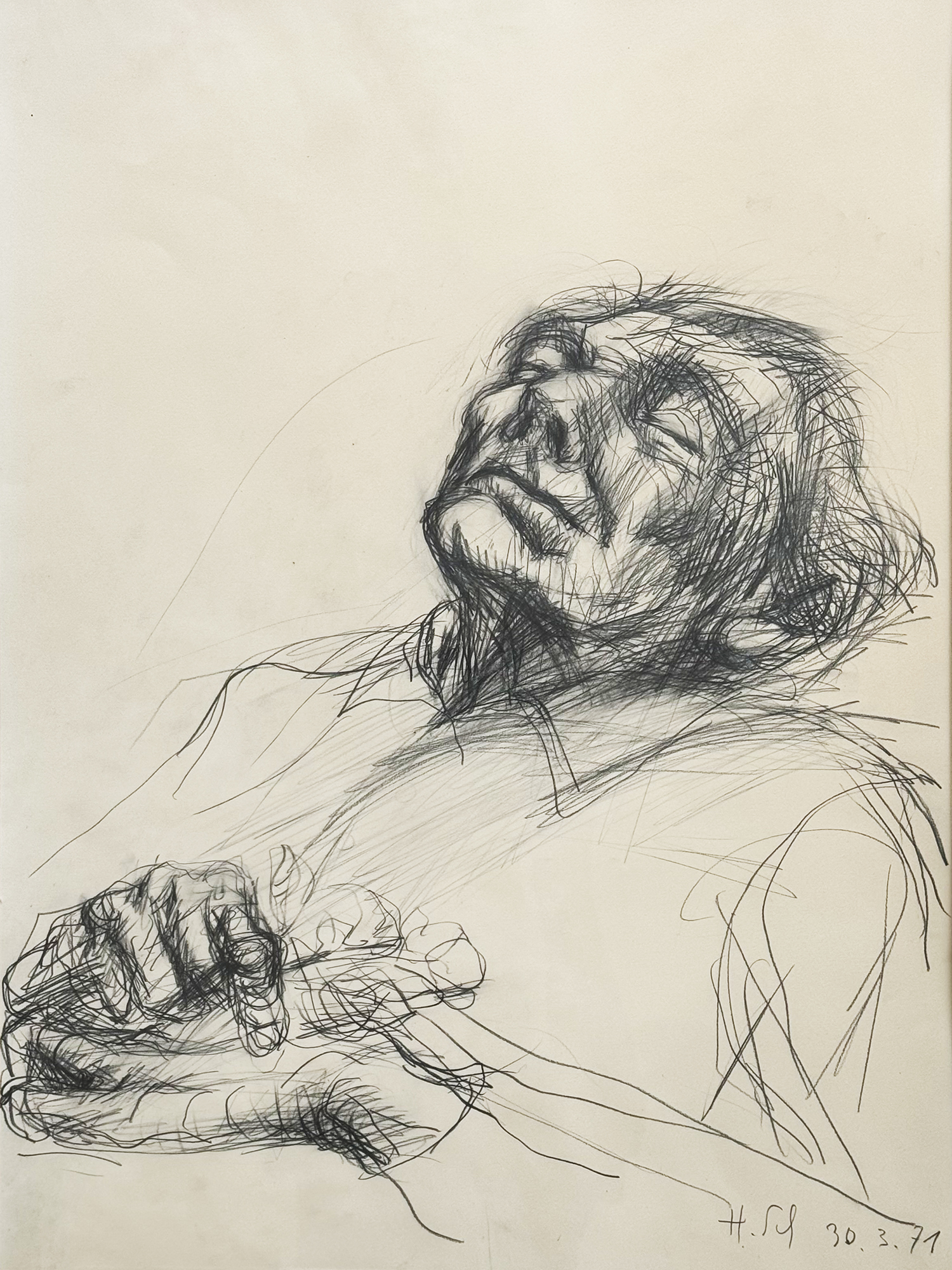
Auf dem Totenbett, 1971
Bleistift auf Papier
61 x 43,5 cm
Privatbesitz
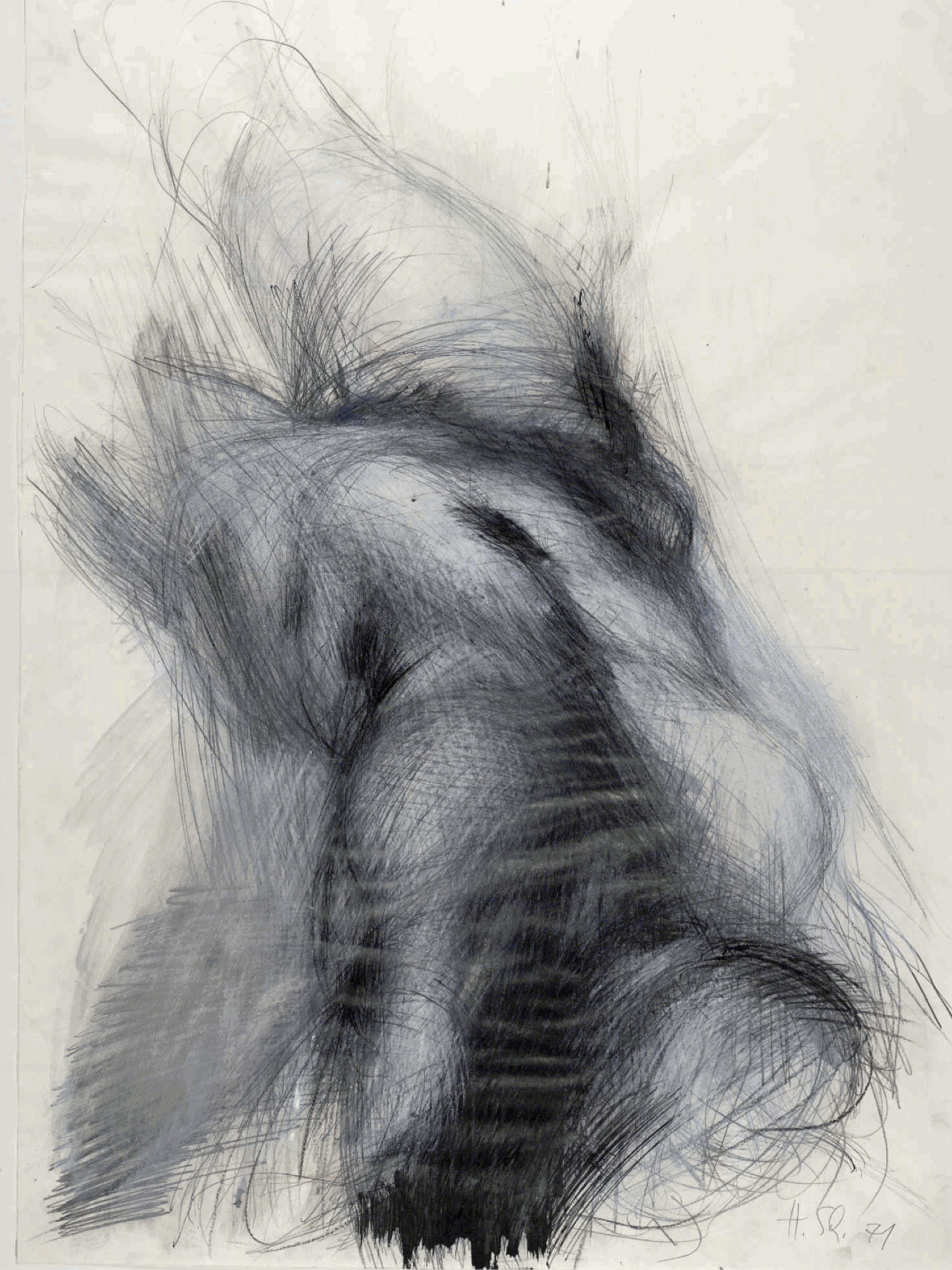
Aktstudie, 1971
Kreide, Bleistift, Gouache auf Papier
84 x 62 cm
Albertina, Wien
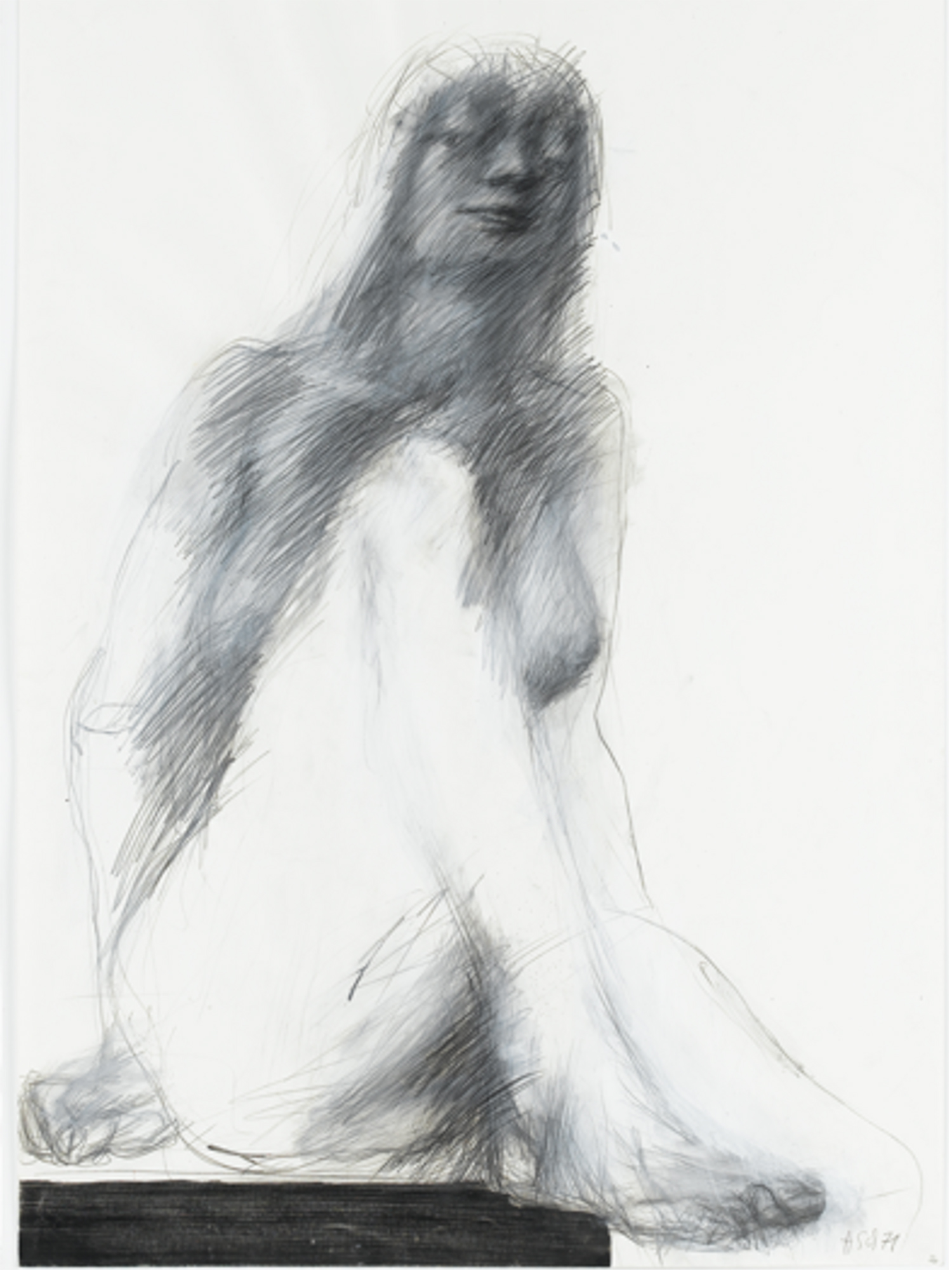
Weiblicher Akt, 1971
Bleistift Gouache auf Papier
89,5 x 62 cm
Staatsgalerie Stuttgart
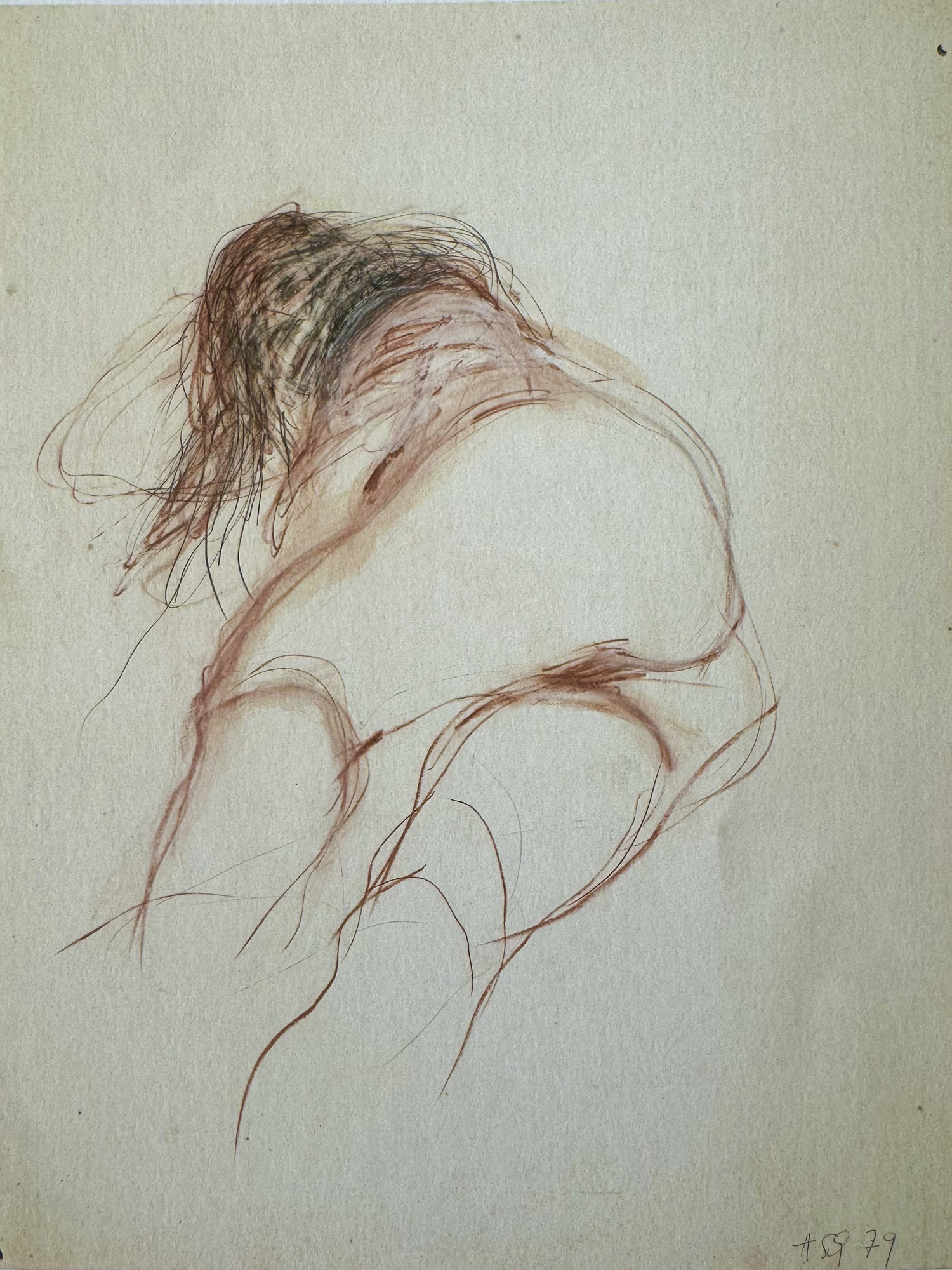
Akt, 1979
Bleistift, Rötel auf Papier
116 x 90 cm
Salzburg Museum, Salzburg
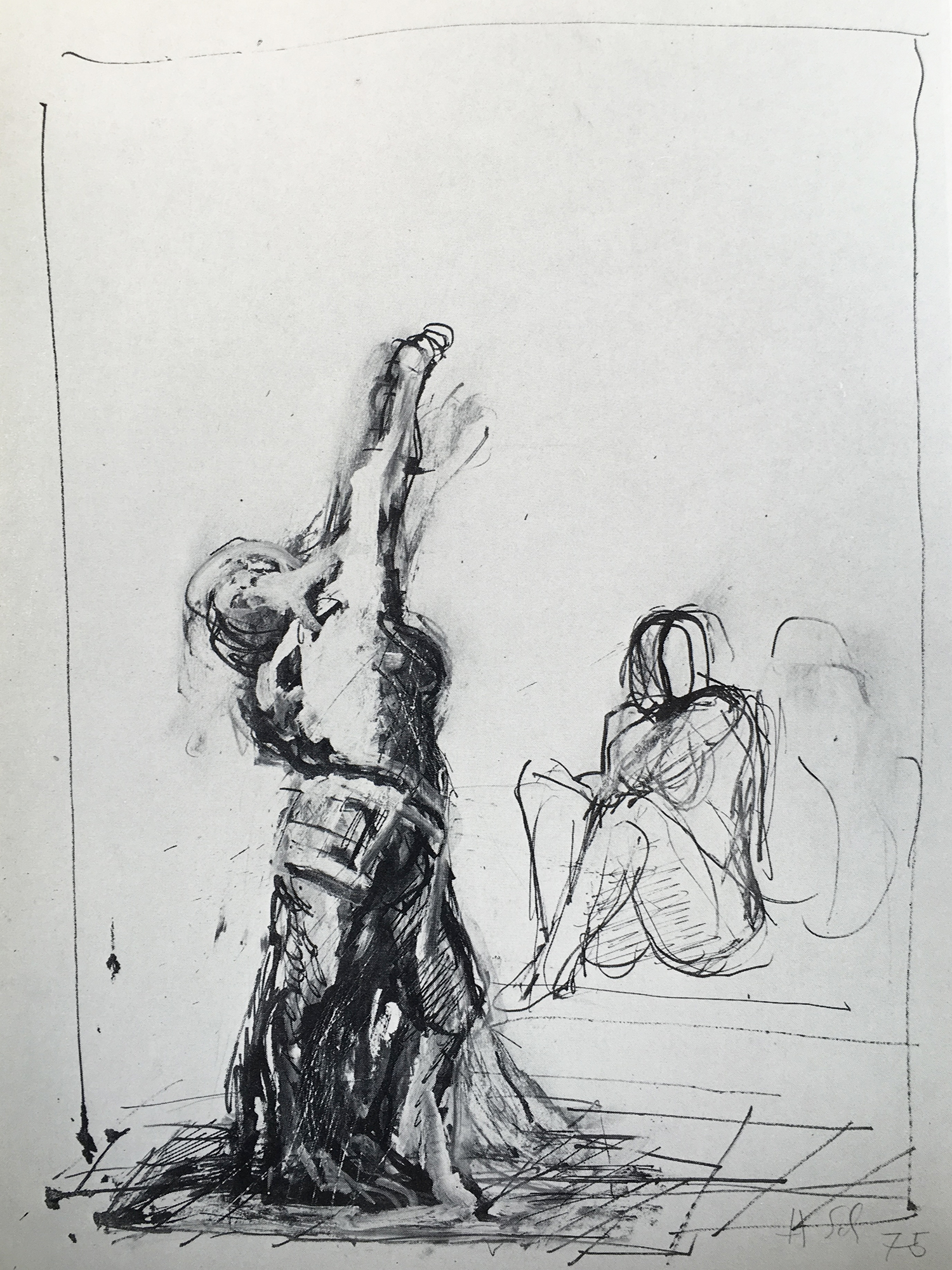
Stehende und sitzende Figur, 1975
Bleistift, Tusche, Deckweiß auf Papier
62 x 45 cm
Privatsammlung
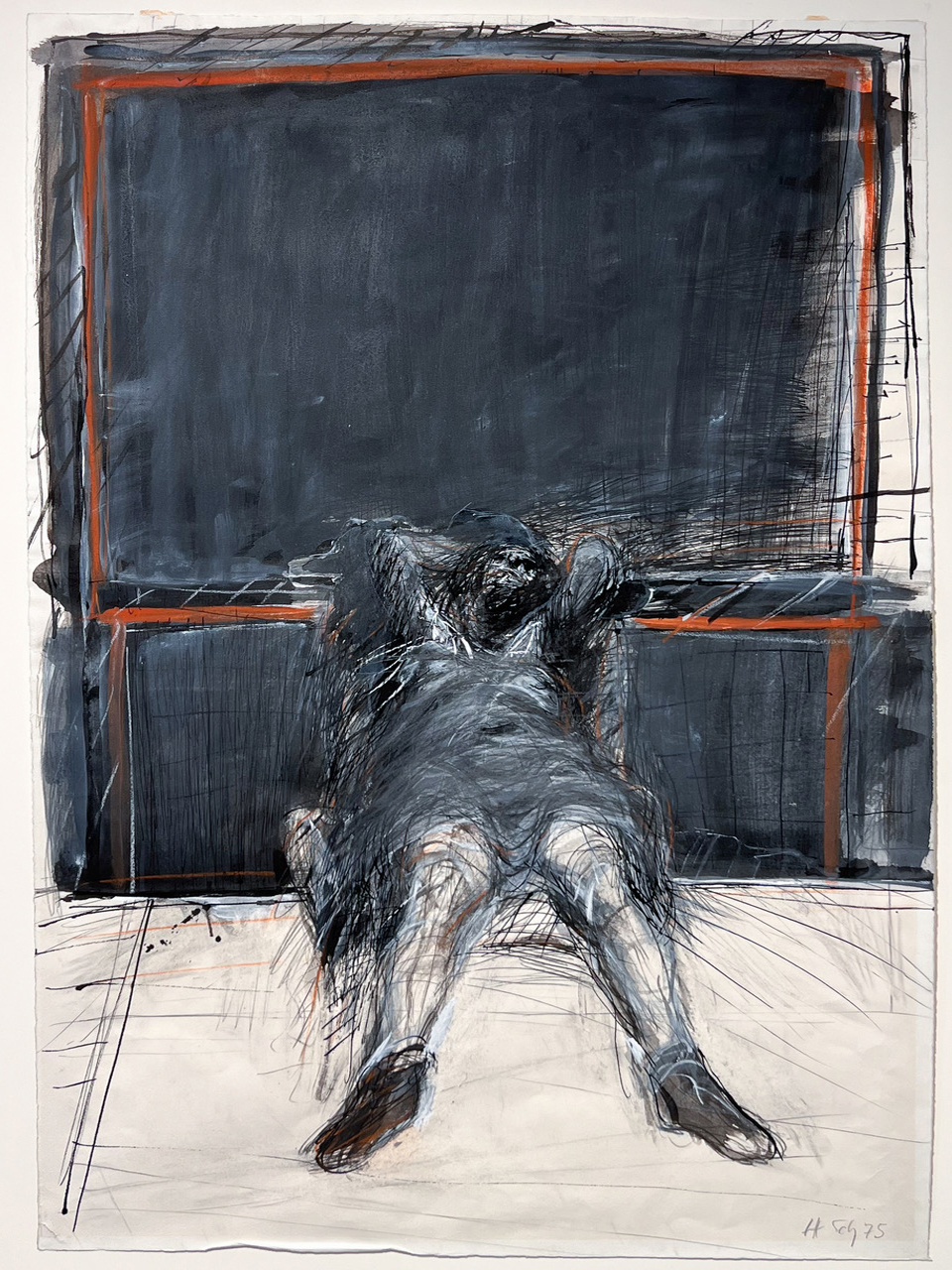
Im dunklen Raum, 1975
Gouache auf Papier
62 x 45 cm
ehem. Sammlung E. A. Groz / M.D.
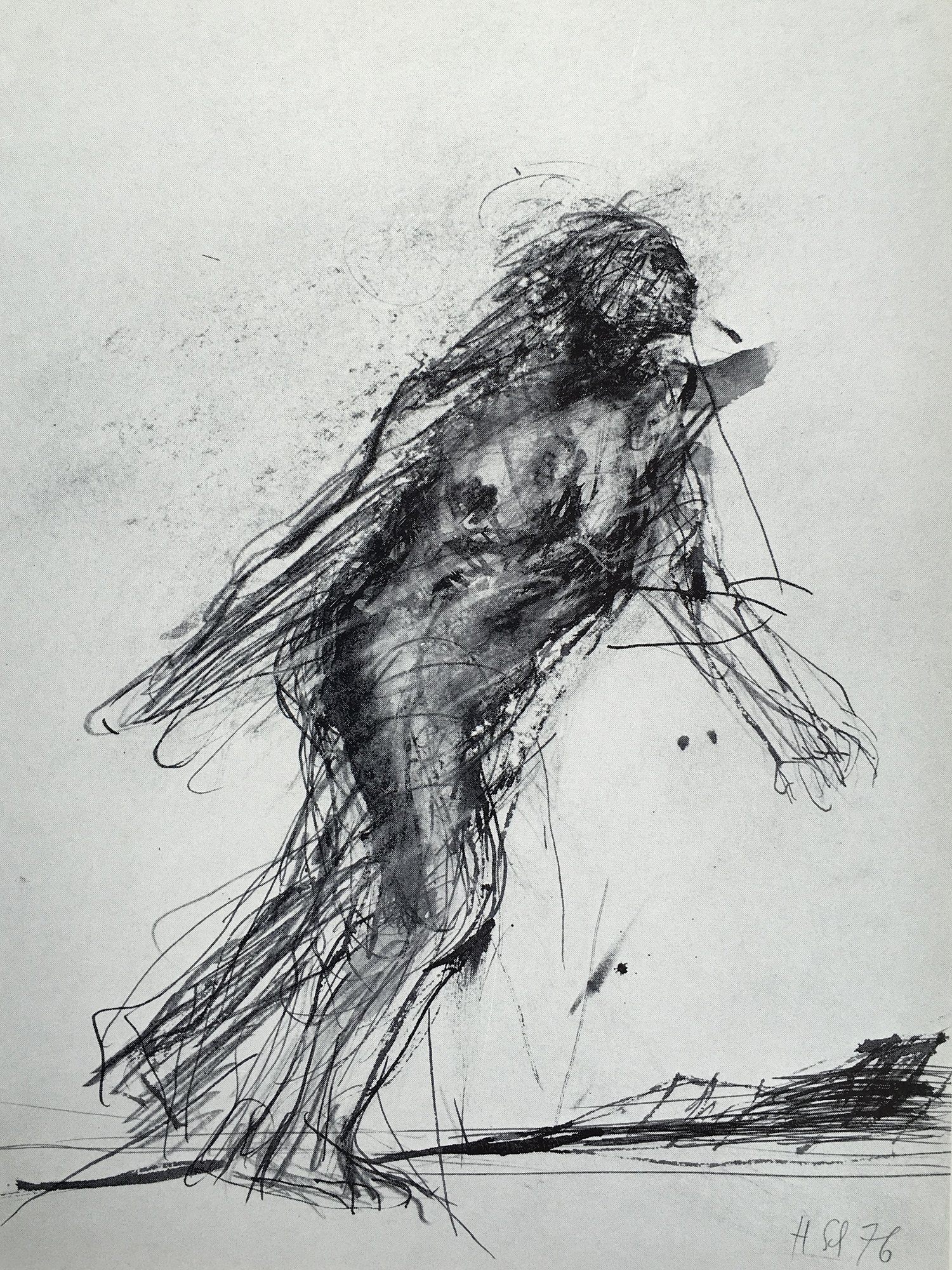
Engel, 1976
Mischtechnik auf Papier
50 x 35 cm
Privatsammlung
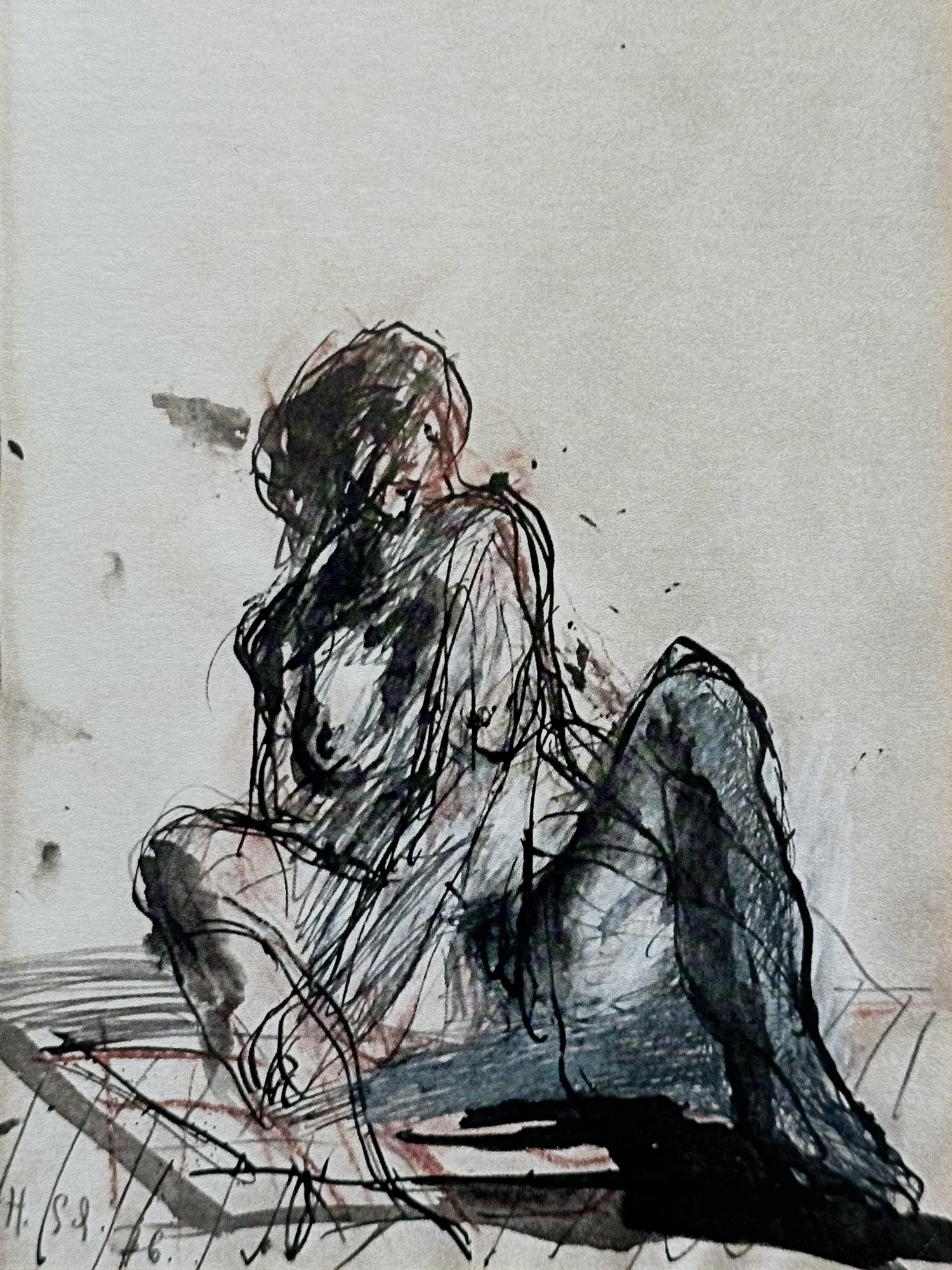
Akt sitzend, 1975
Tusche, Rötel, Gouache auf Papier
31 x 23,5 cm
Sammlung G.W.
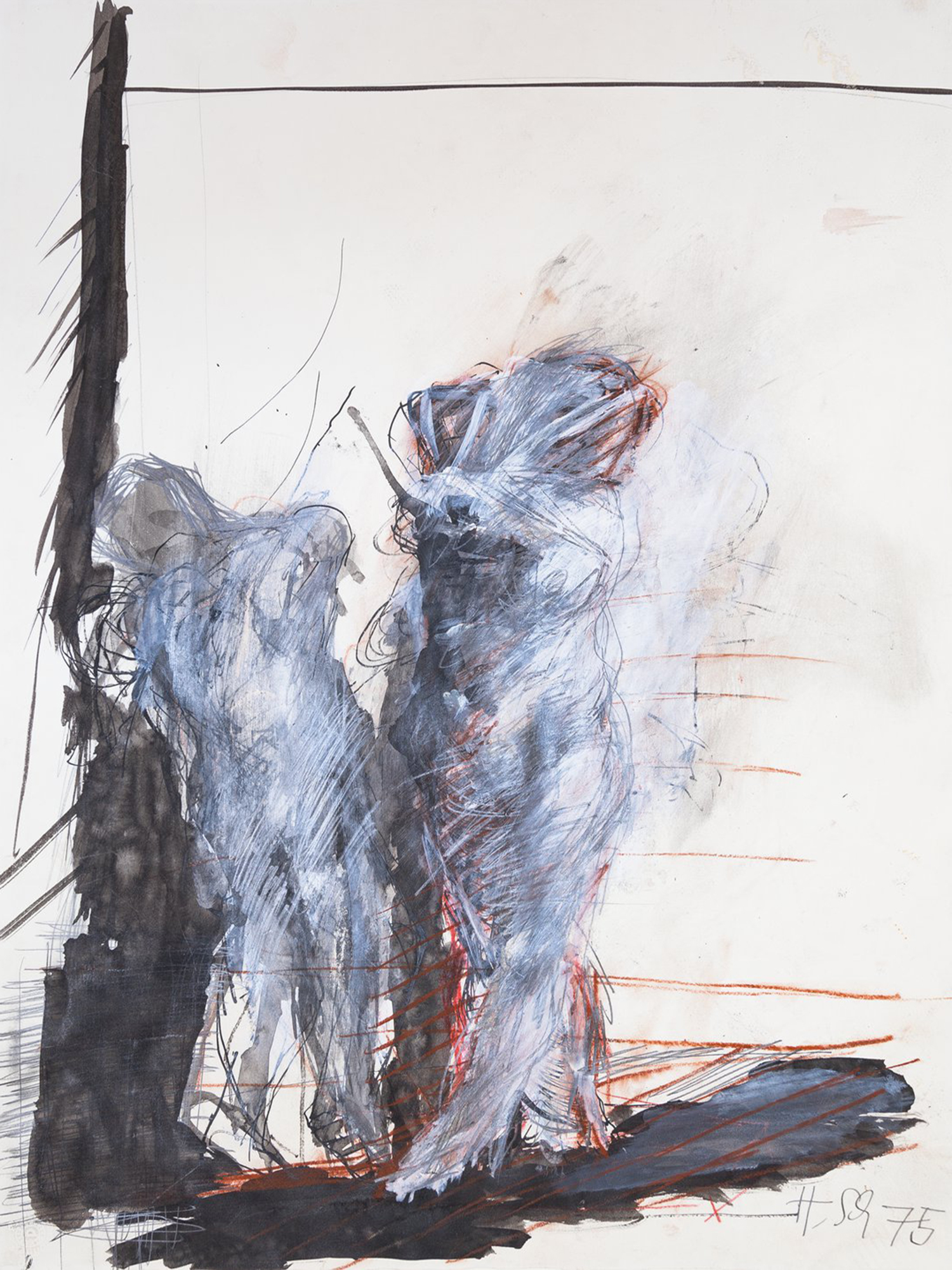
Zwei Figuren im Raum, 1975
Bleistift, Tusche, Rötel, Deckweiß
62 x 45 cm
Sammlung E. A. Groz
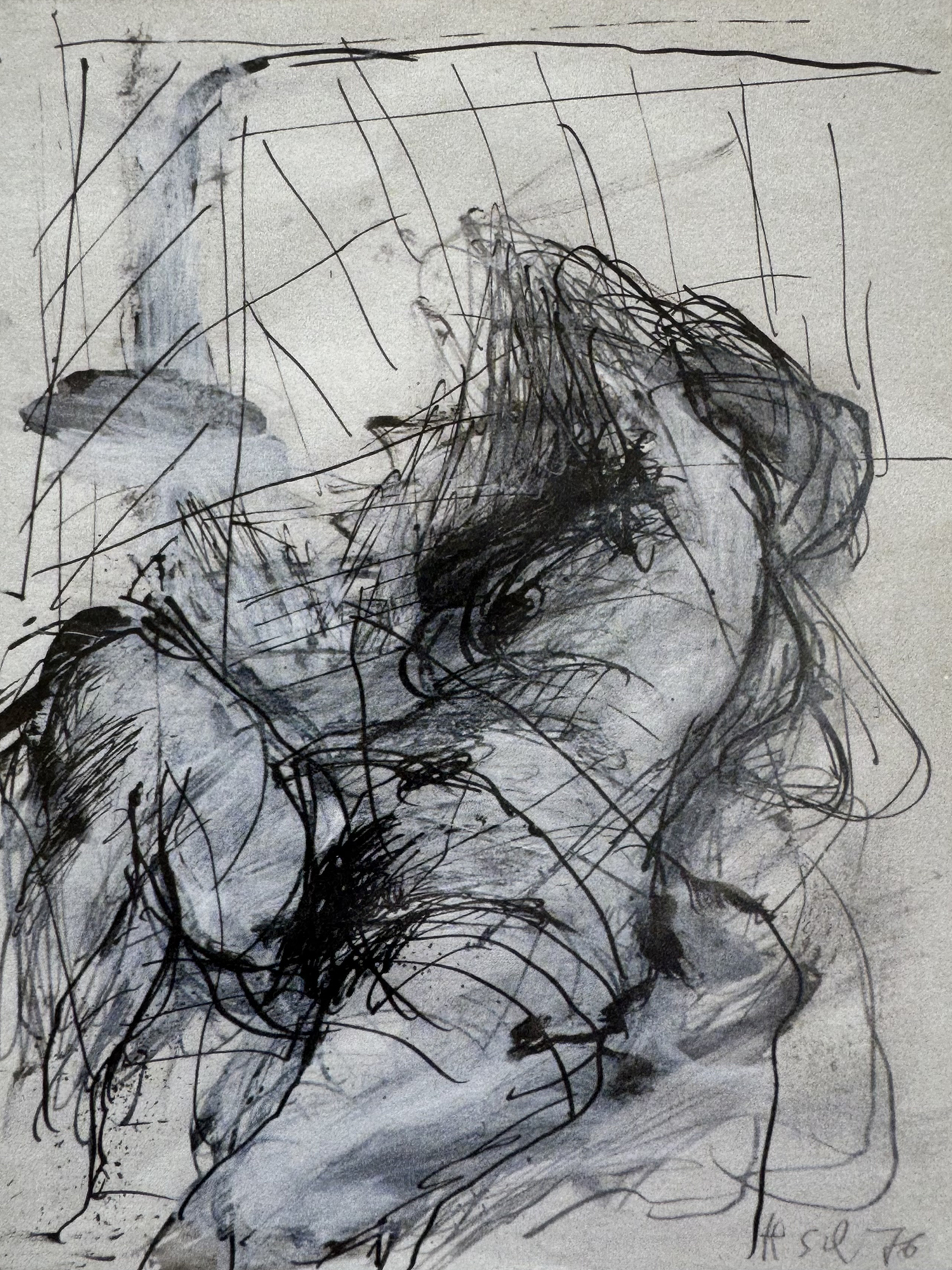
Aktstudie II, 1976
Bleistift, Tusche, Deckweiß auf Papier
30,8 x 24 cm
Kunstmuseum der Stadt Albstadt
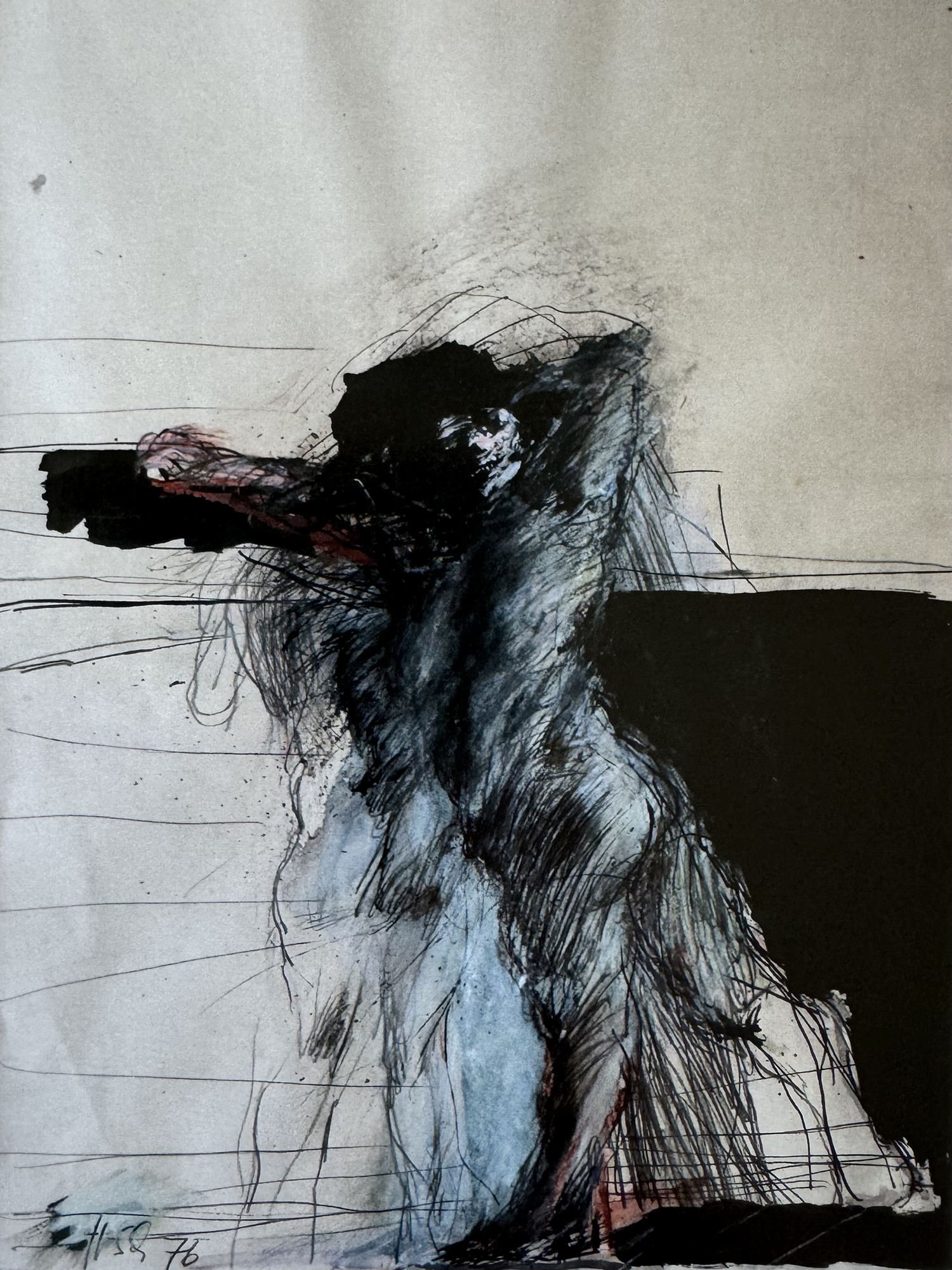
Stehende Figur, 1976
Mischtechnik auf Papier
60,5 x 43,5 cm
Sammlung H.T.
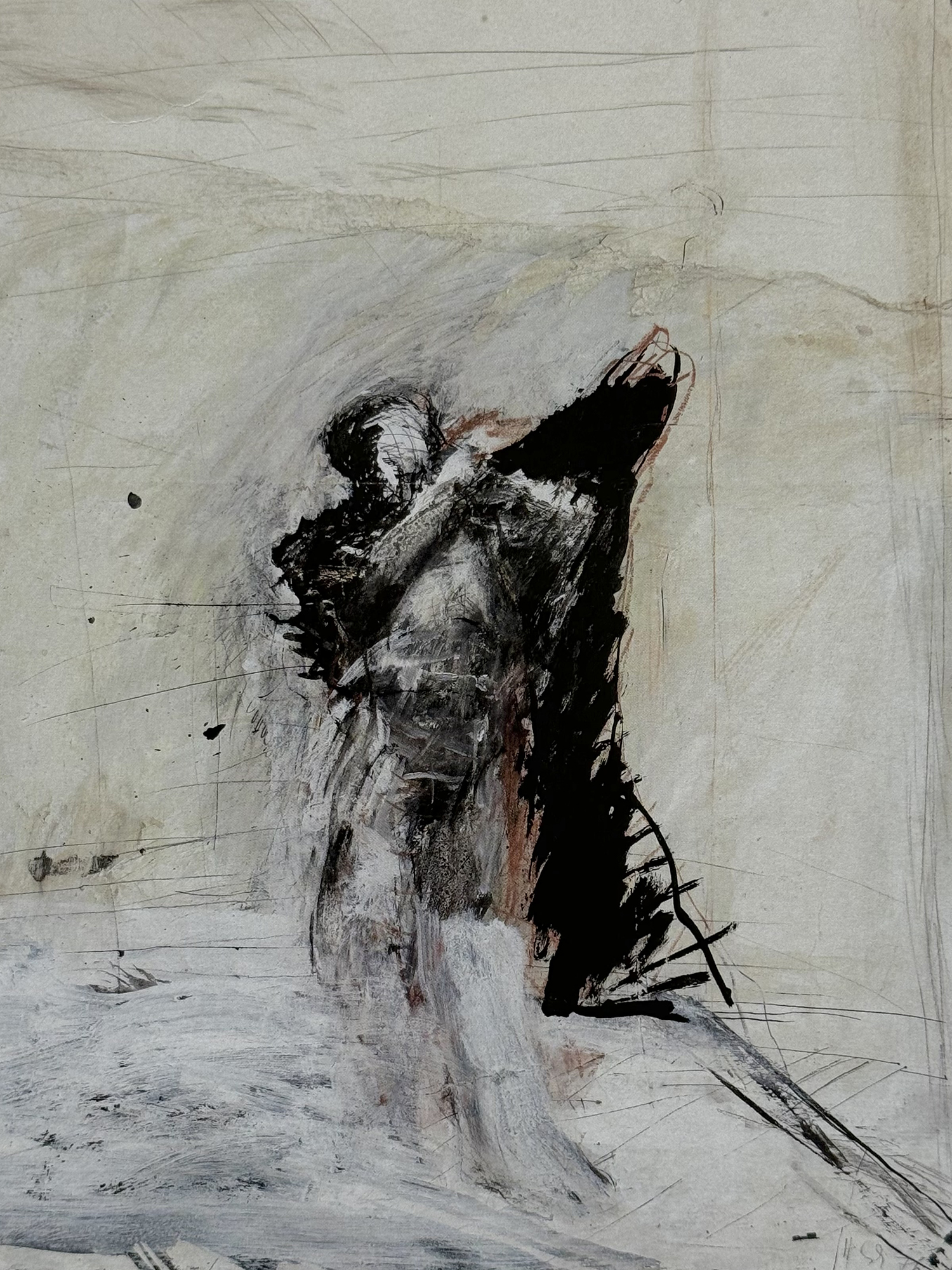
Figur im Raum, 1976
Mischtechnik auf Papier
80,5 x 70 cm
Privatbesitz
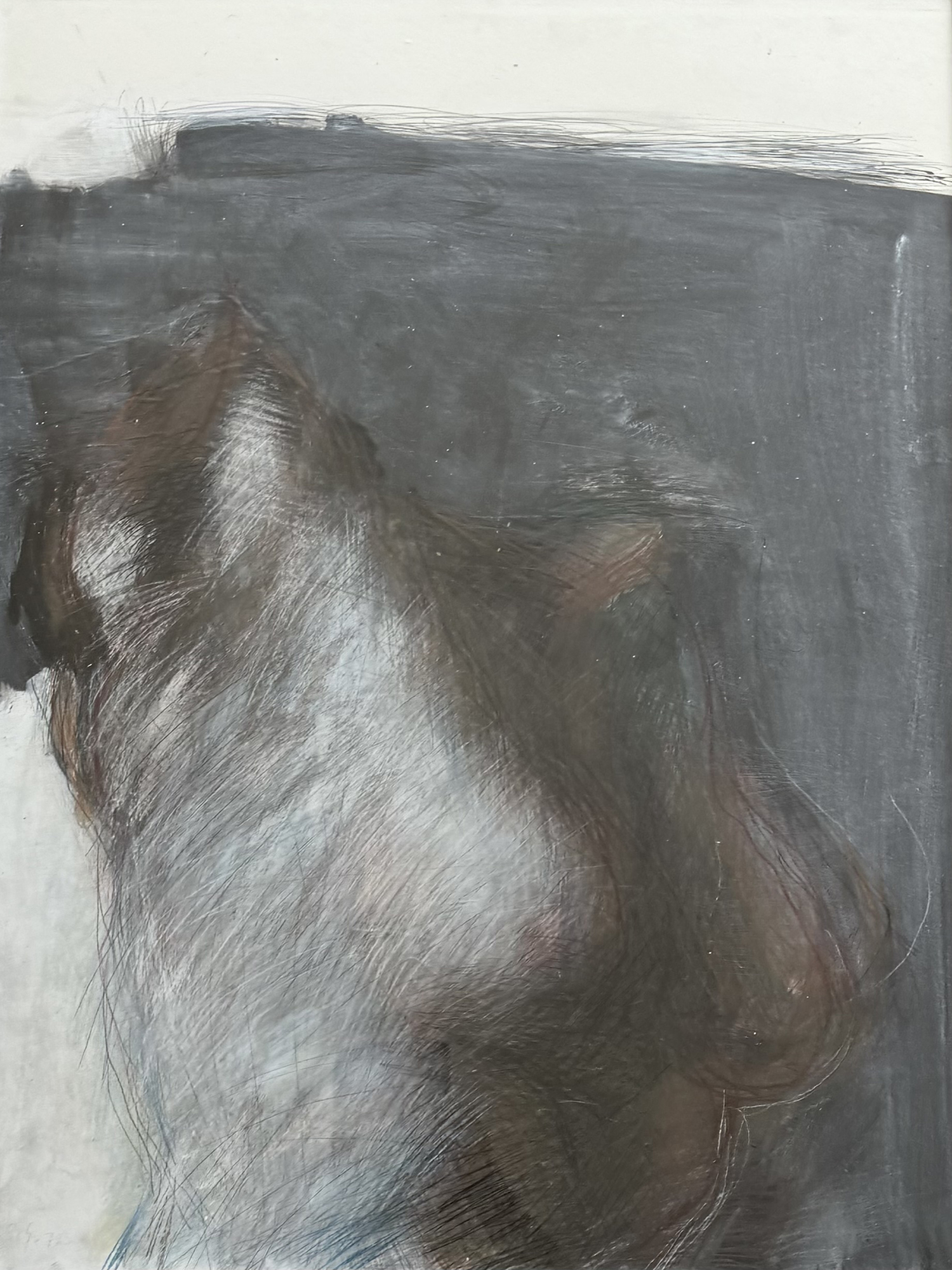
Weiblicher Torso
Mischtechnik auf Papier
90 x 63 cm
Privatbesitz
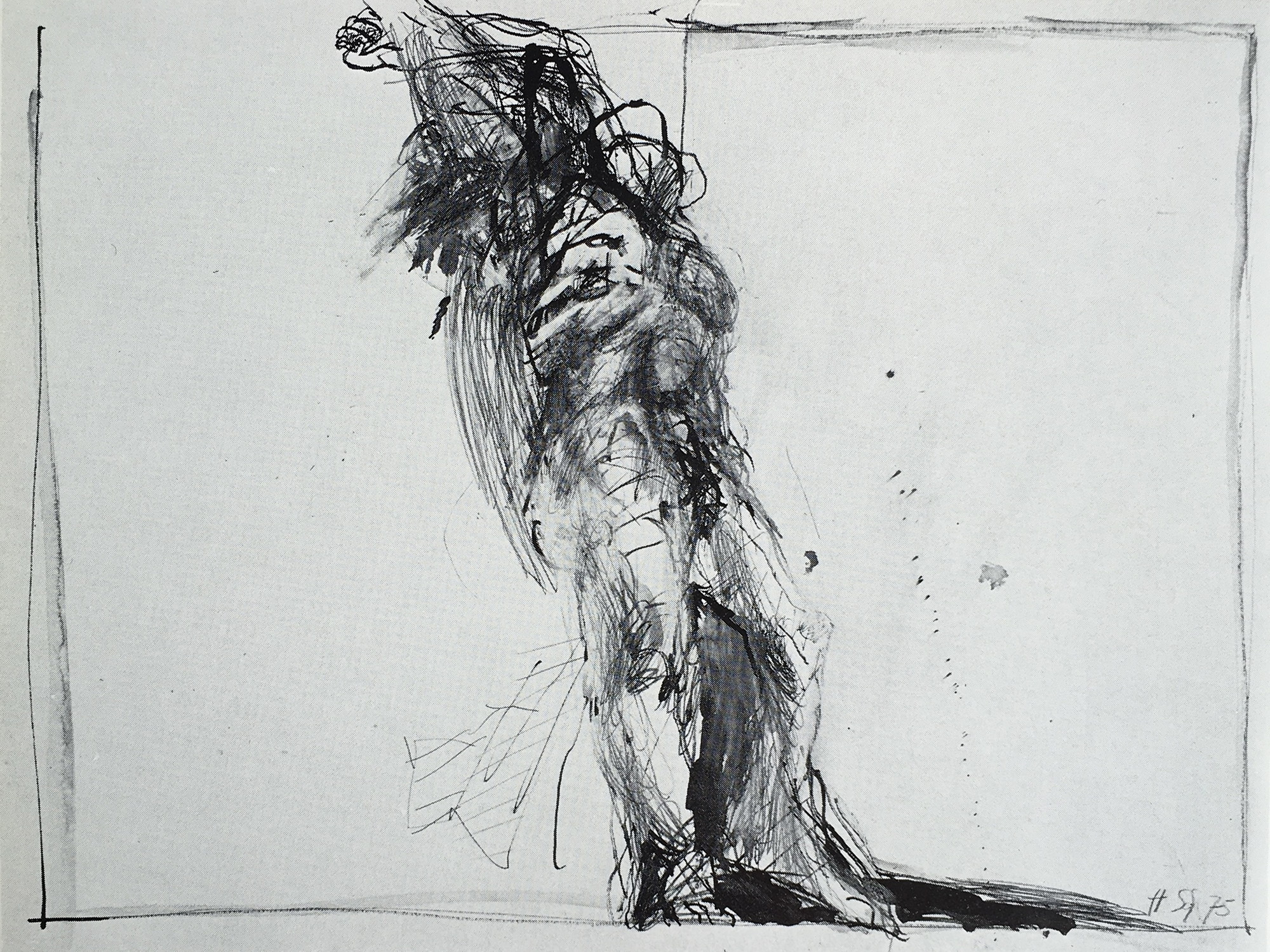
Kippende Figur, 1975
Tusche, Bleistift, Gouache auf Papier
45 x 62 cm
Privatsammlung
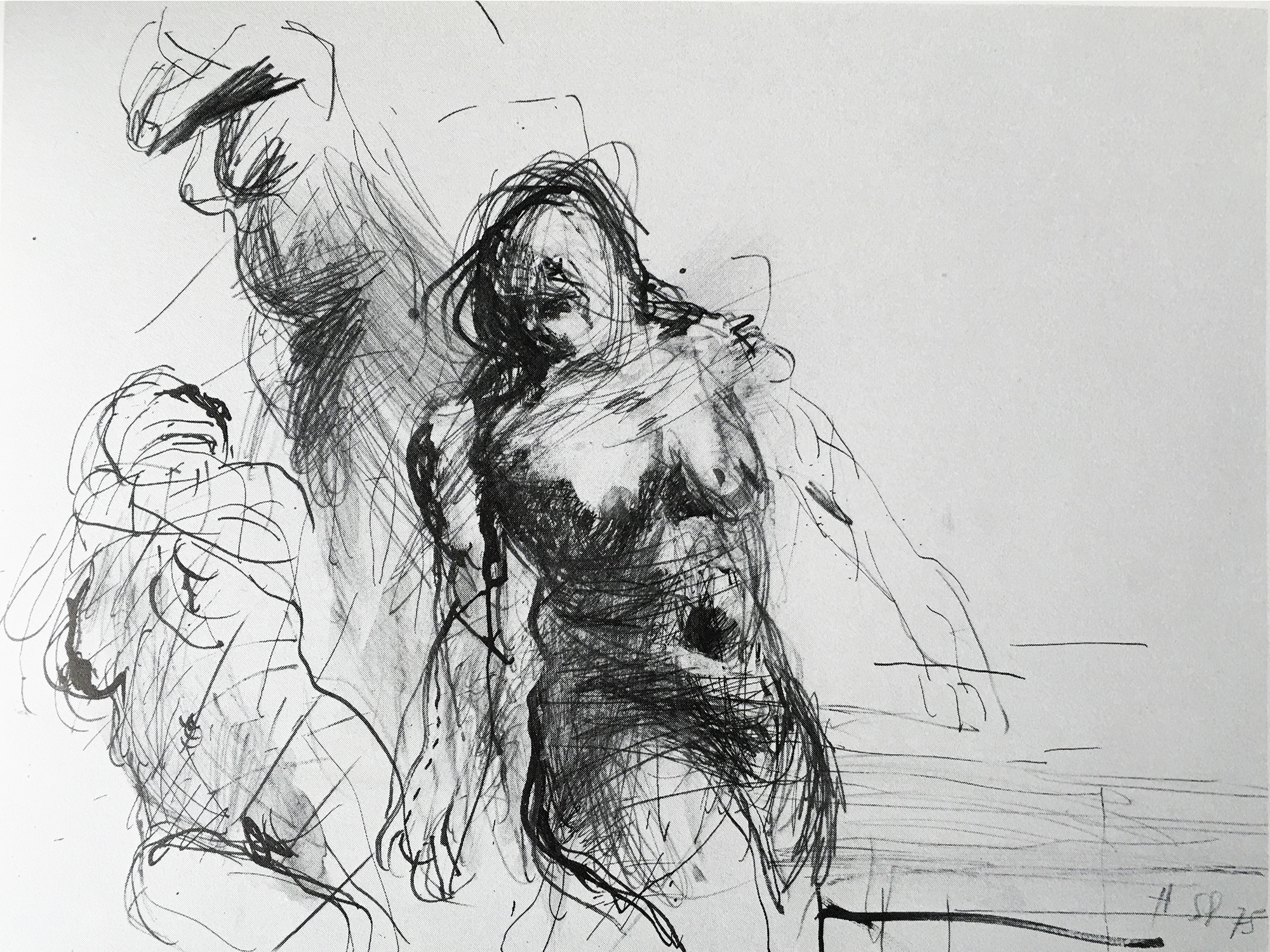
Weiblicher Akt, 1975
Tusche, Bleistift, Gouache auf Papier
30,5 x 43 cm
Privatsammlung
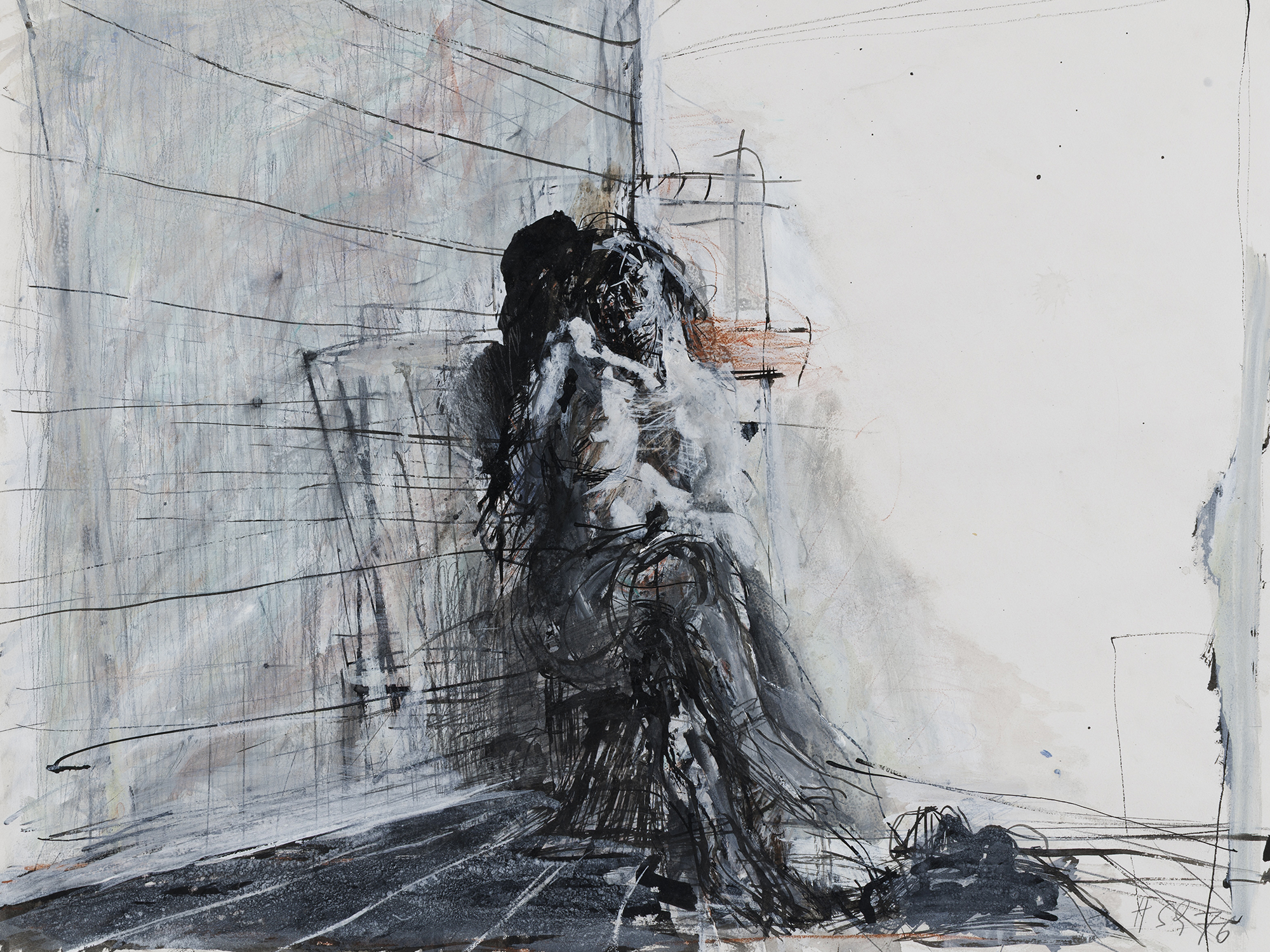
Frau im Atelier, 1976
Tusche, Bleistift Rötel Gouache auf Papier
55 x 70 cm
Kunstmuseum der Stadt Albstadt
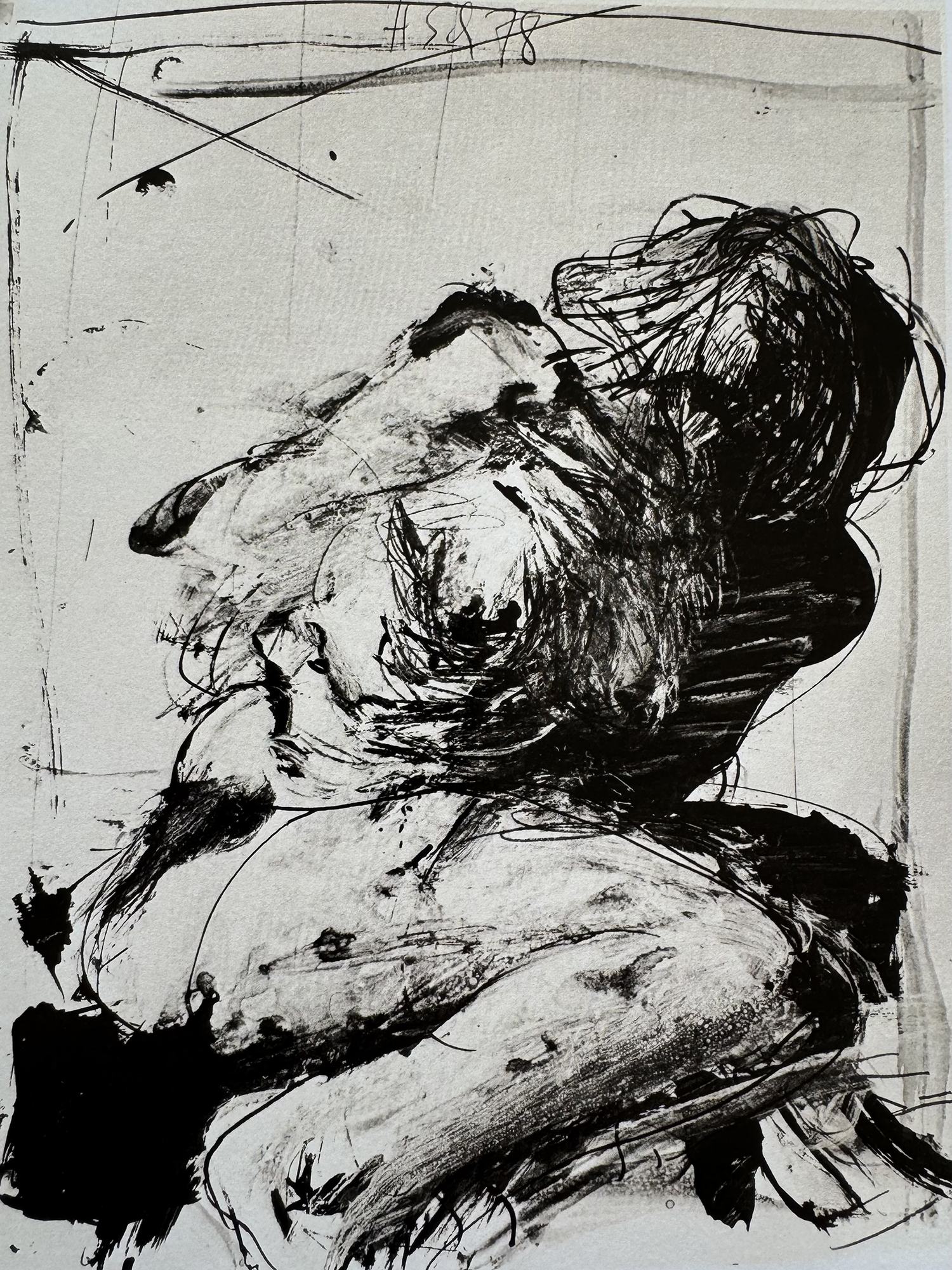
Akt 1, 1978
Tusche, Bleistift, Gouache auf Papier
39,5 x 29,5 cm
Privatsammlung
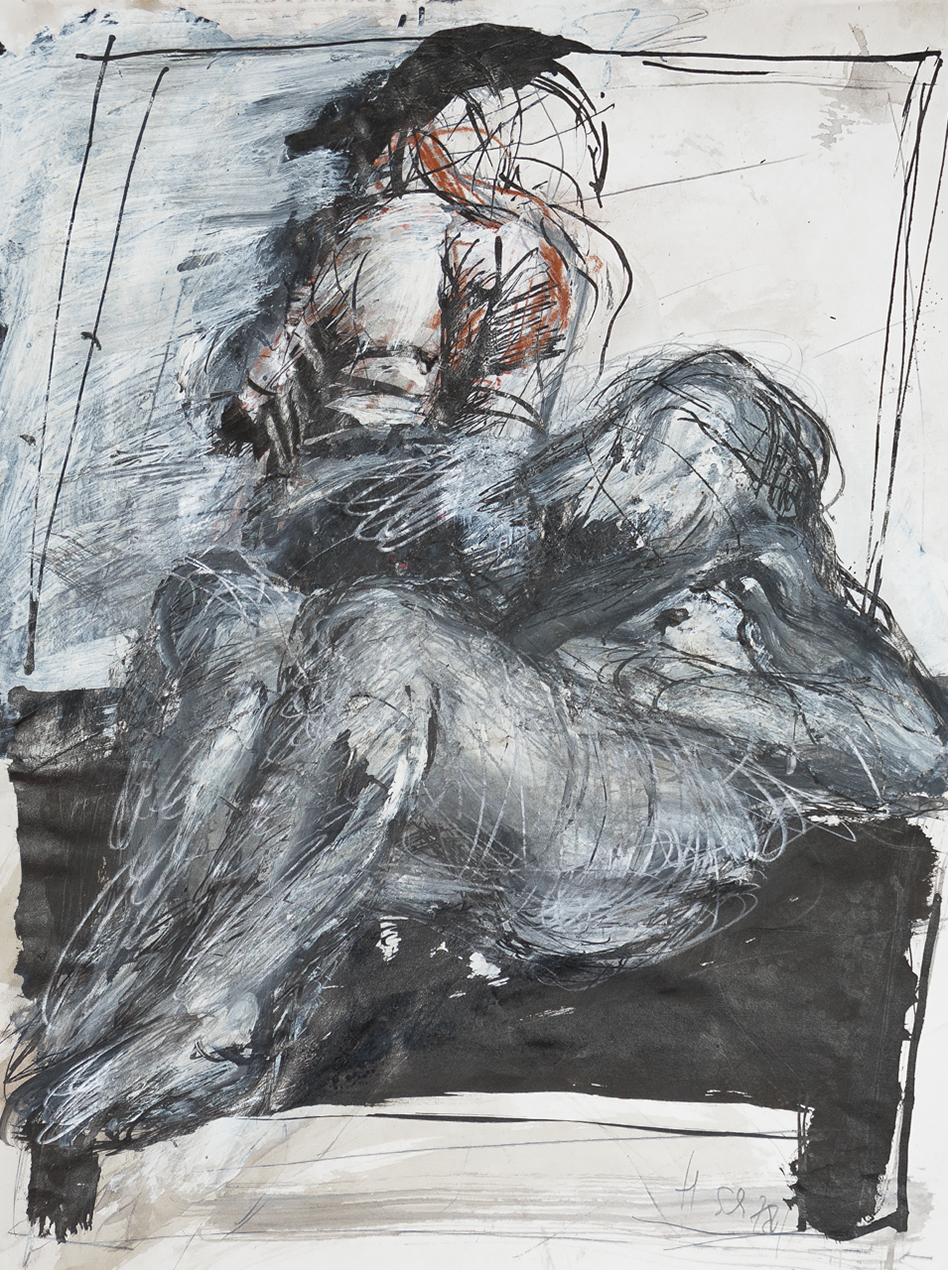
Akt 3, 1978
Tusche, Bleistift, Gouache auf Papier
39,5 x 29,5 cm
Privatsammlung
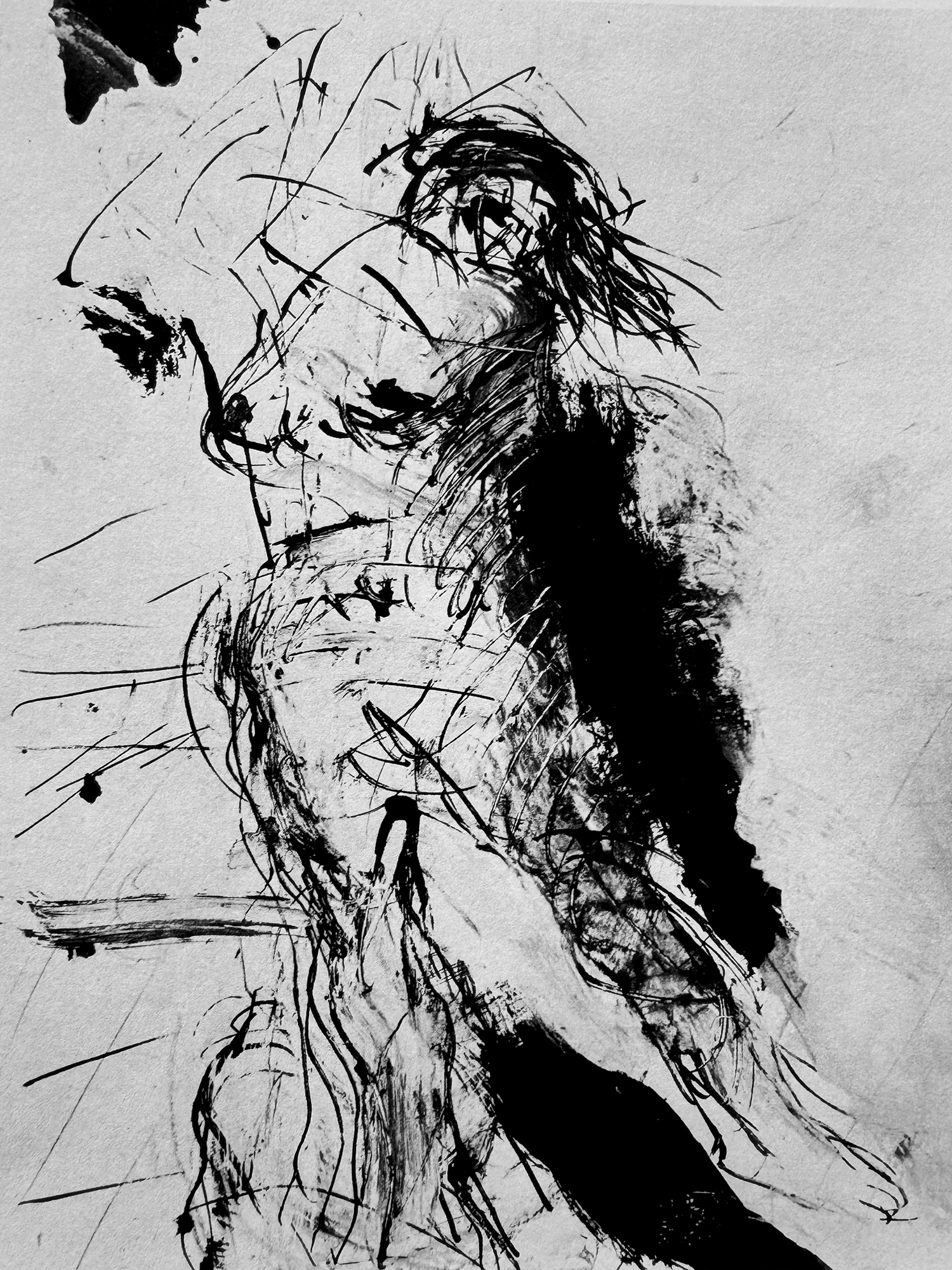
Akt 4, 1978
Tusche, Bleistift, Gouache auf Papier
39,5 x 29,5 cm
Privatsammlung
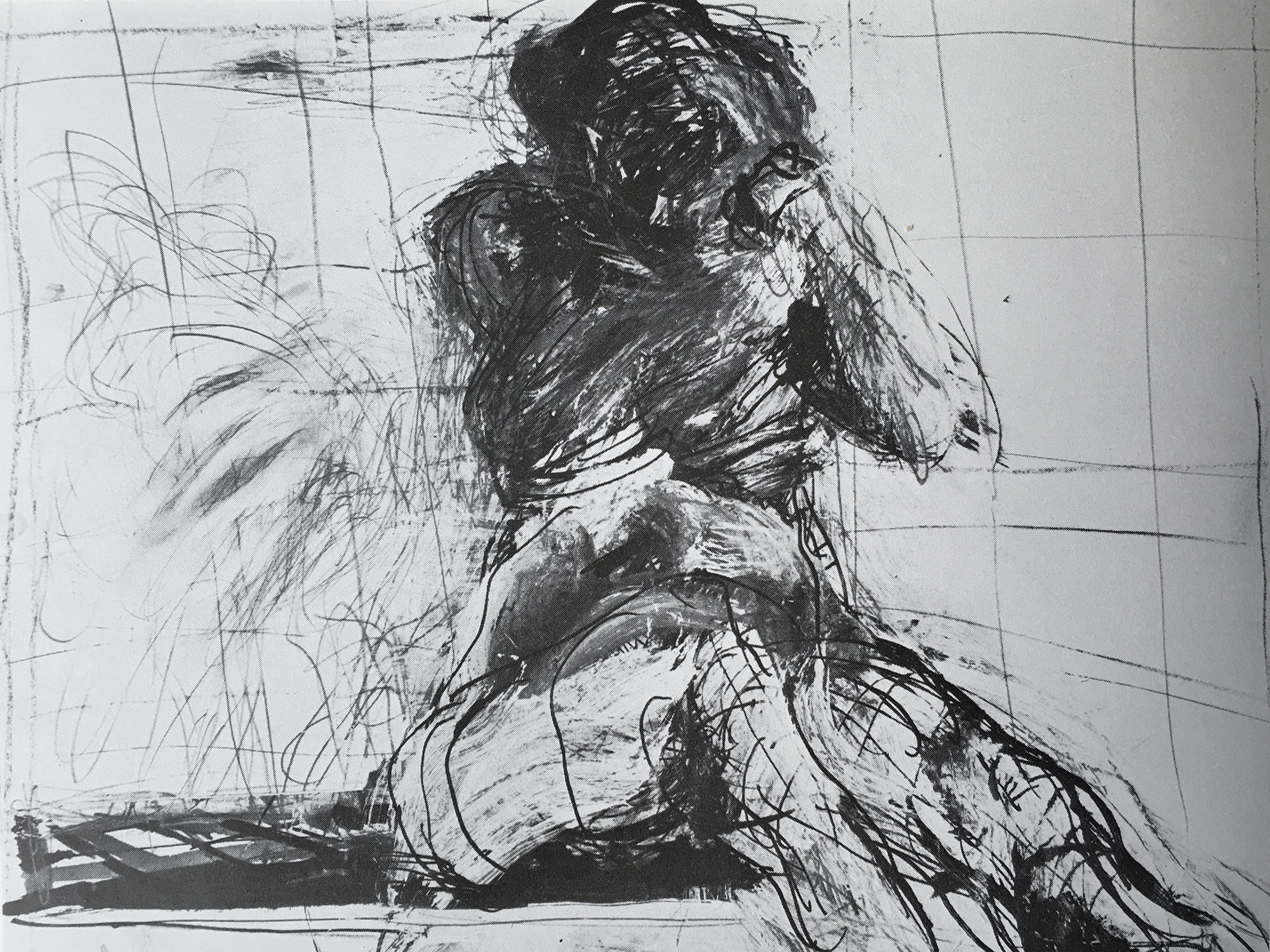
Akt 2, 1978
Tusche, Bleistift, Gouache auf Papier
29,5 x 39,5 cm
Privatsammlung
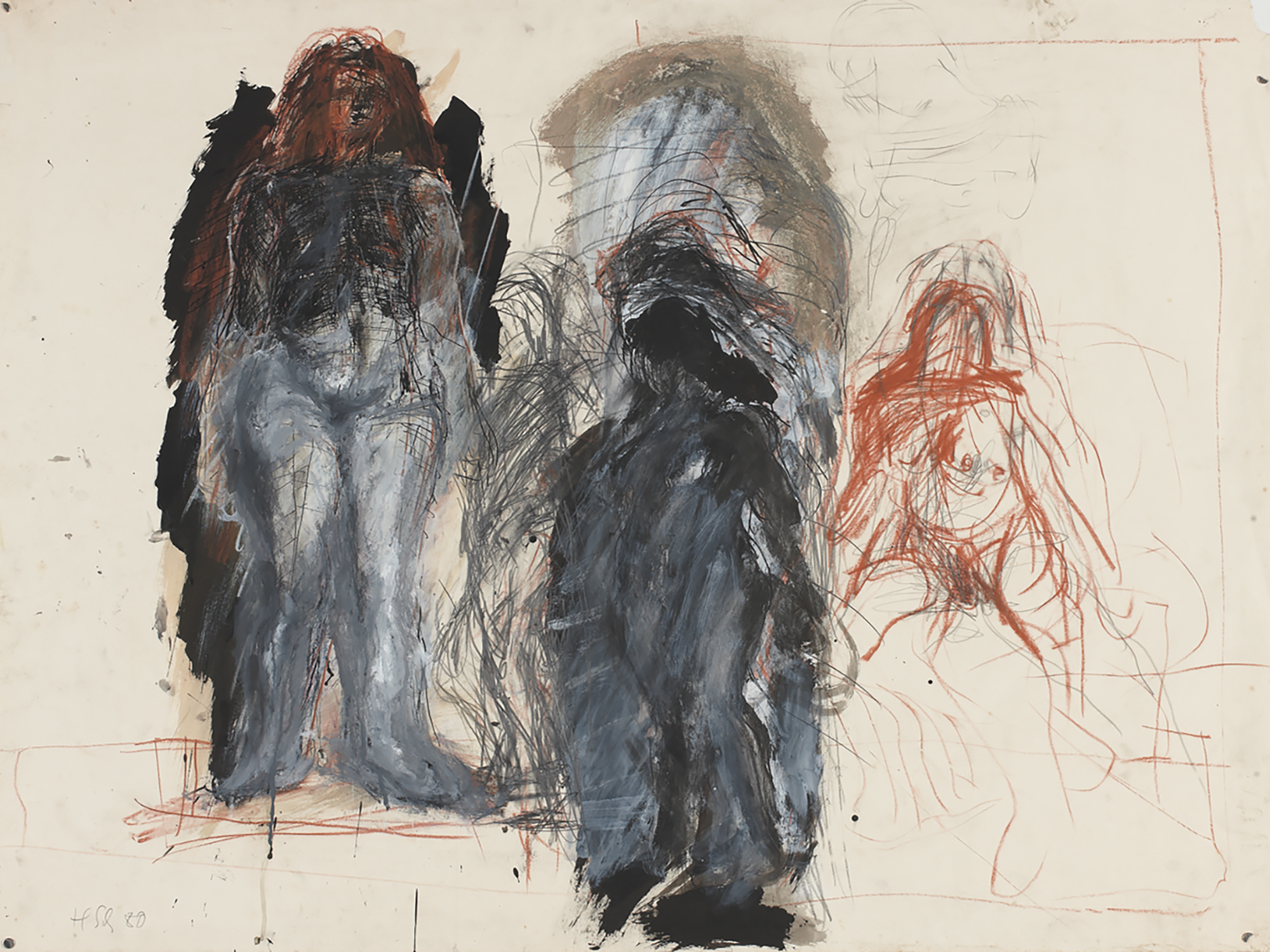
Aktsaal, 1980
Tusche Bleistift, Rötel, Tempera auf Papier
89,5 x 116 cm
Salzburg Museum, Salzburg
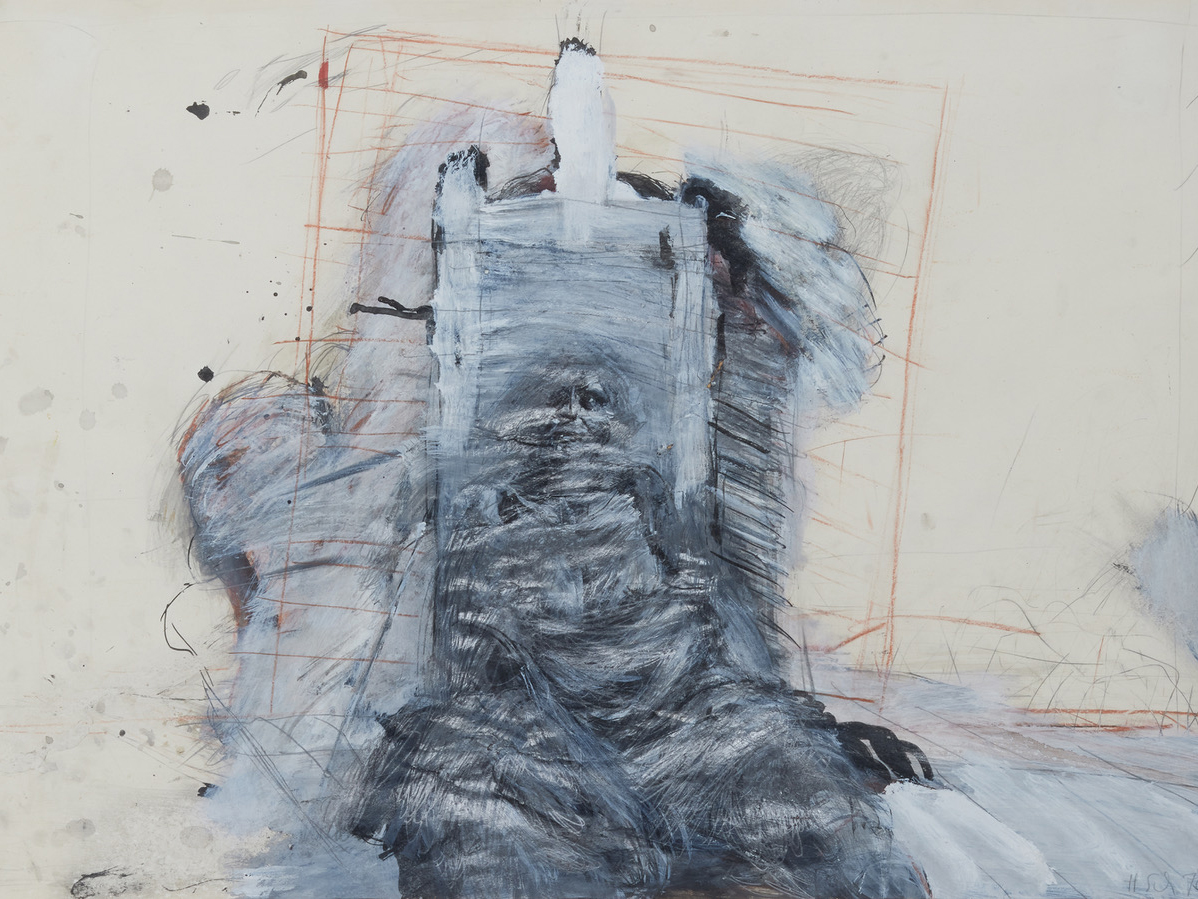
Aktpause, 1978
Tusche, Bleistift Rötel, Gouache auf Papier
62,5 x 88 cm
Privatbesitz
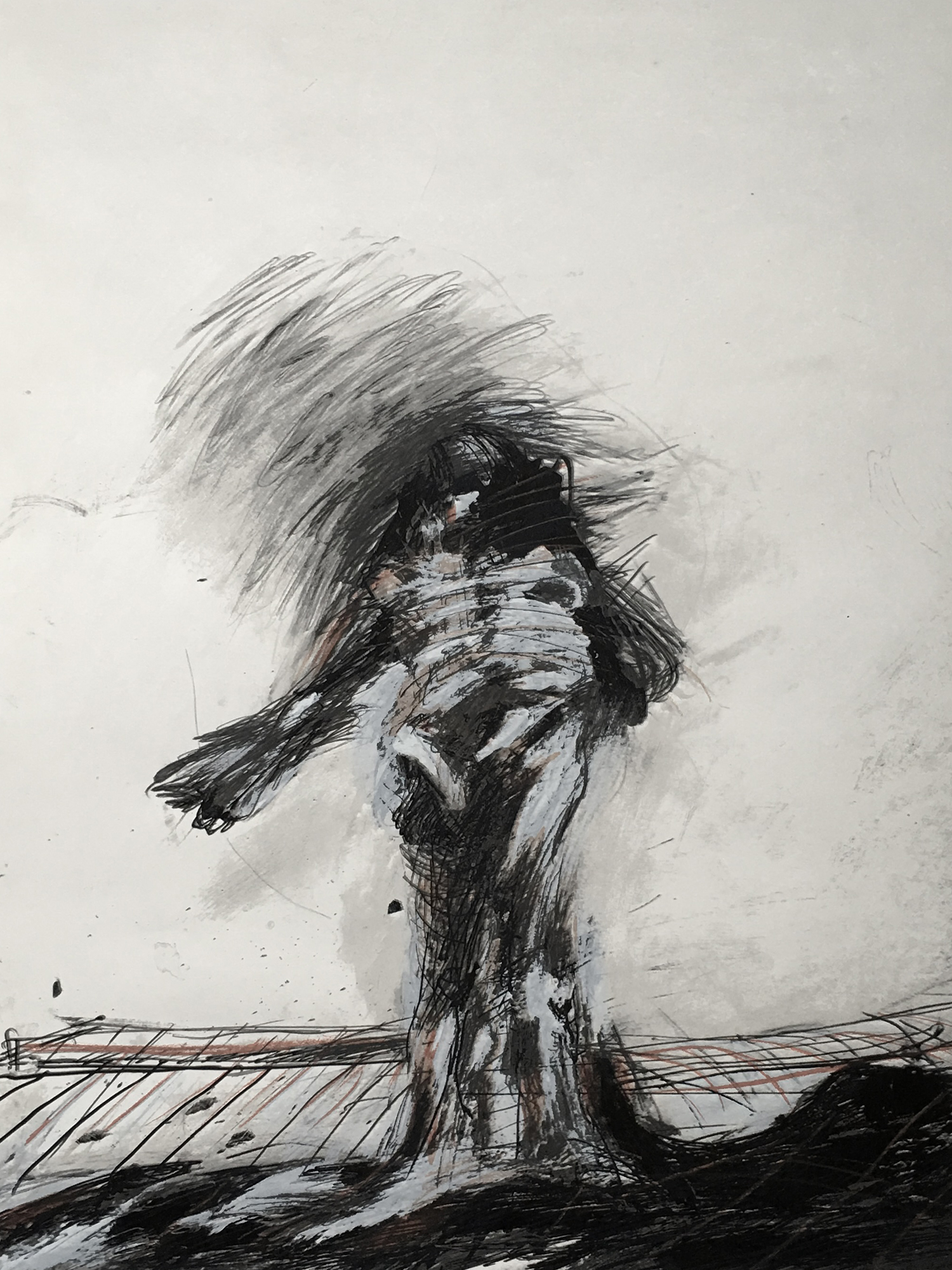
Stehende Figur, 1979
Siebdruck (80 Ex.)
61 x 47 cm
Privatsammlungen
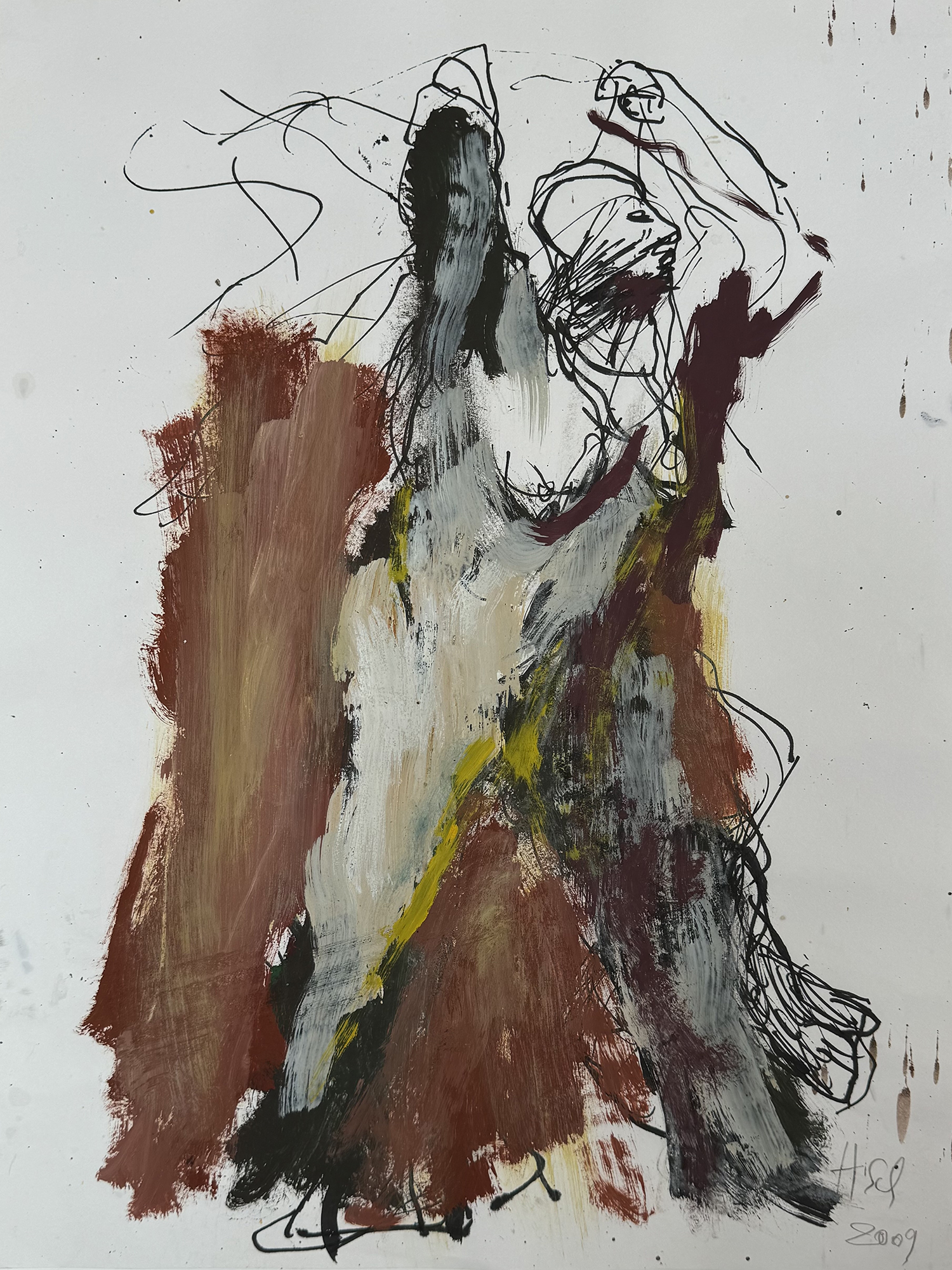
Figürliche Studie (zu Gaia), 2009
Tusche, Tempera auf Papier
47,5 x 35,6 cm
Privatbesitz
Triptychs “Guatemala”
and “Trophies”
The energetic style of the figure drawings reaches its climax in the two triptychs. In a single burst of turmoil, ink strokes, red and black paint are thrown onto the surface of a picture that is enlarged and retouched during the rapid painting process, creating disturbing images of a painful death struggle. The title ‘Guatemala, 1979’ refers to the mass suicide of members of a sect in Latin America in 1978.
However, the precise date of origin suggests an immediate, emotionally charged occasion for this artistic exploration.
The title ‘Trophies I – III’ refers to inhumane practices throughout history. Like the monumental equestrian portraits in oils, both triptychs can be interpreted as symbols of the unspeakable aspects of human existence.
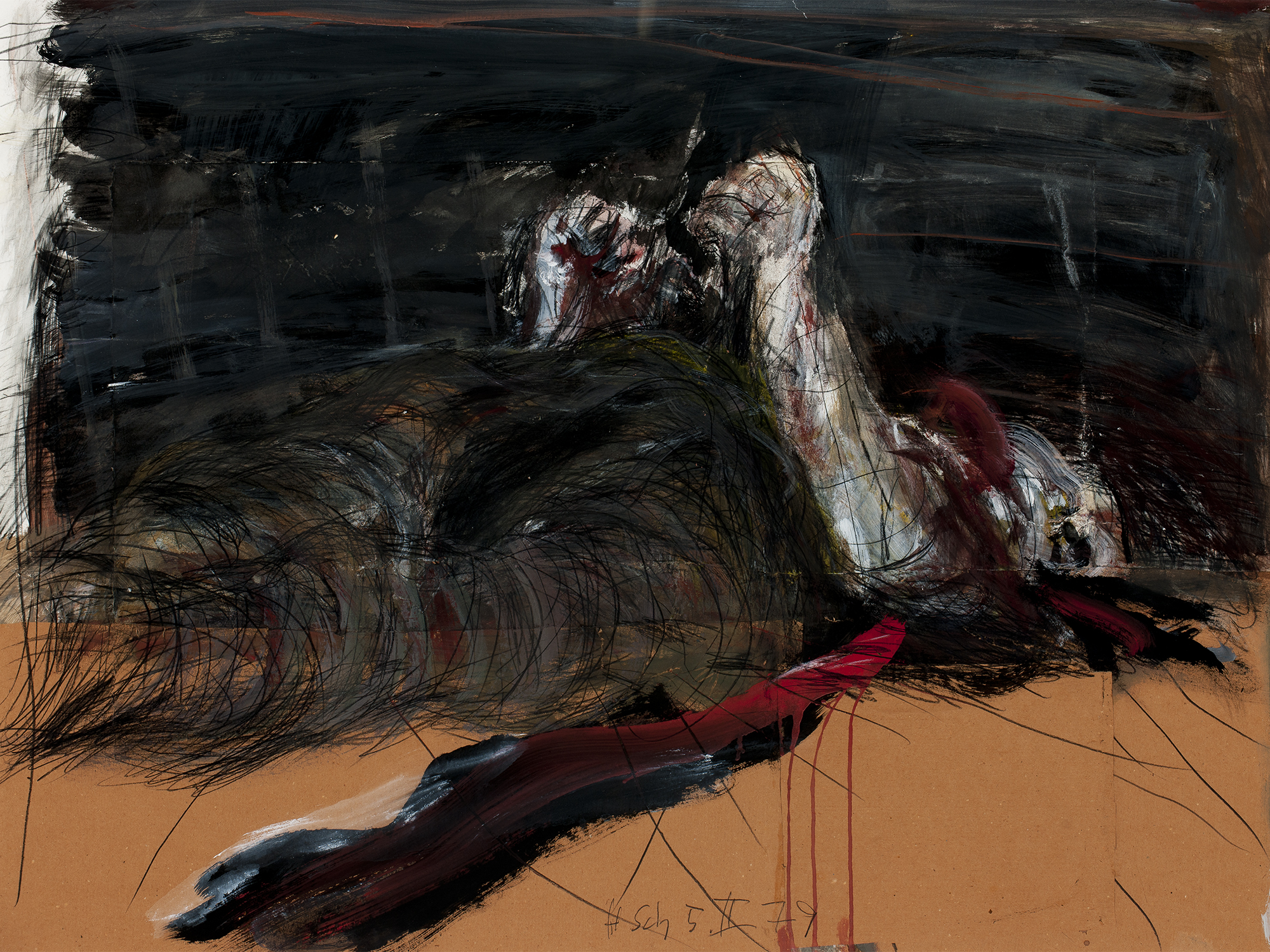
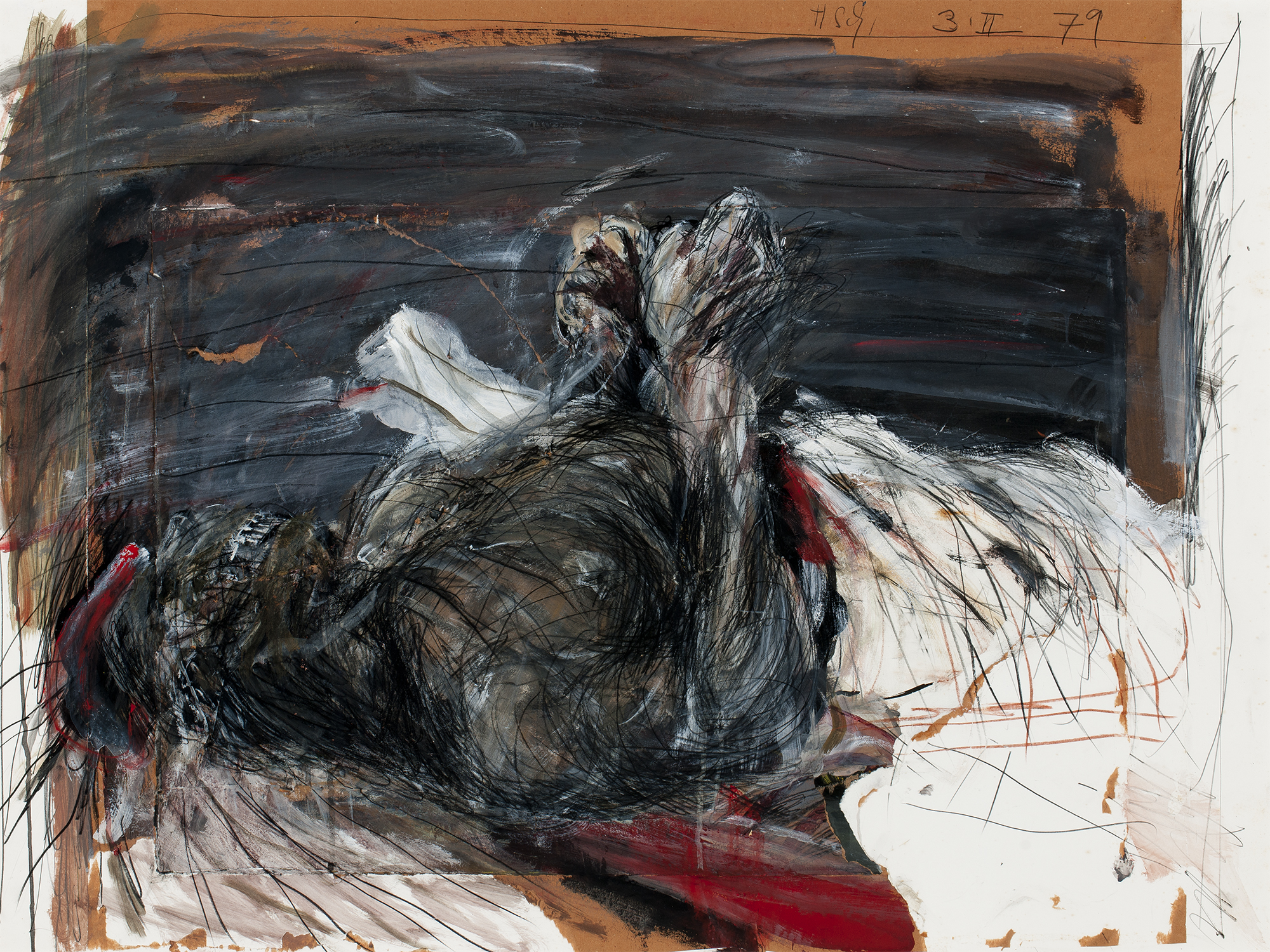
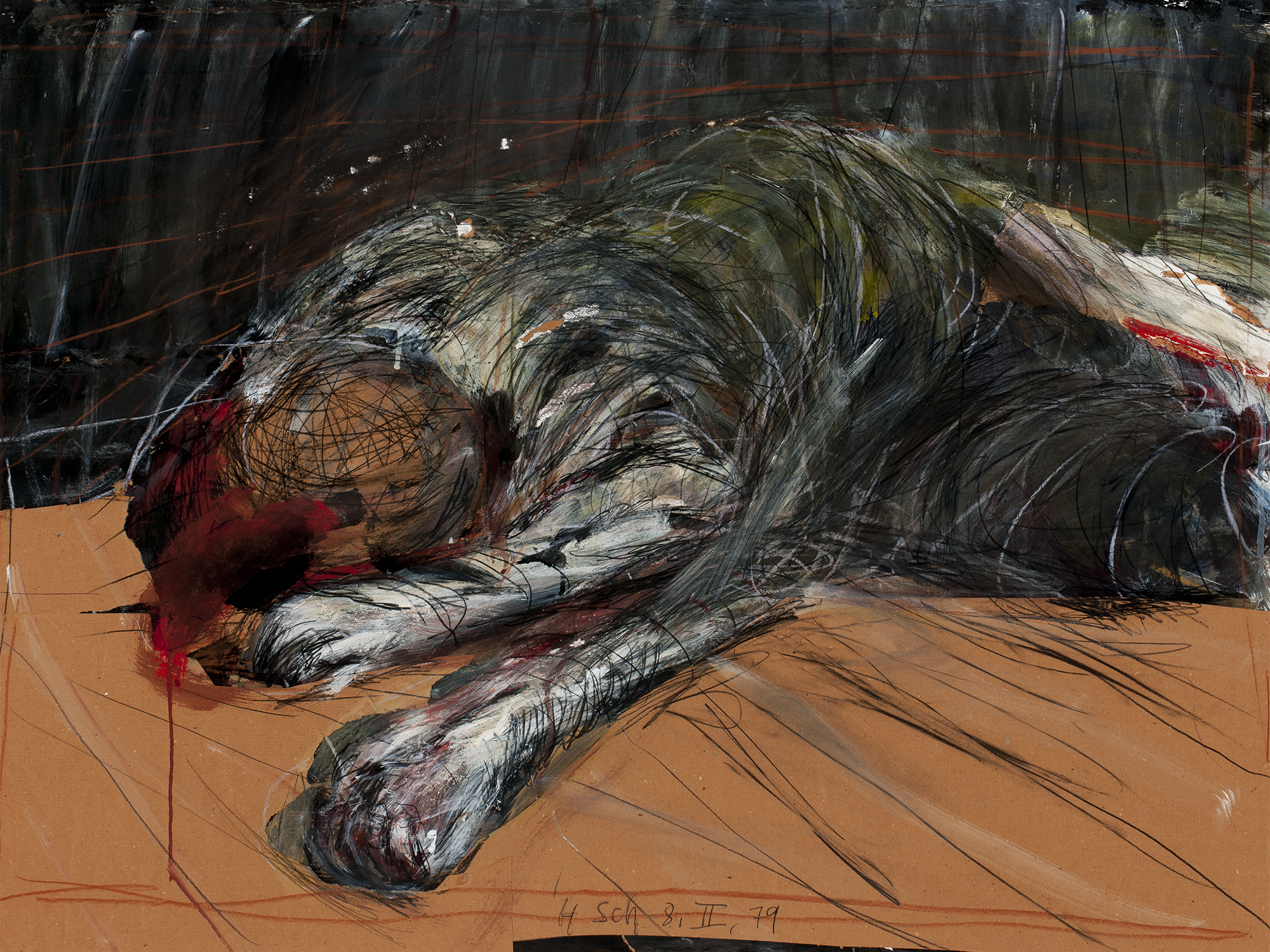
Guatemala I-III, 1979
Mischtechnik auf Papier, je 88 x 120 cm, Museum der Moderne, Salzburg